Contributor Locations: Where Wikipedia Editors Live and How It Shapes the Encyclopedia
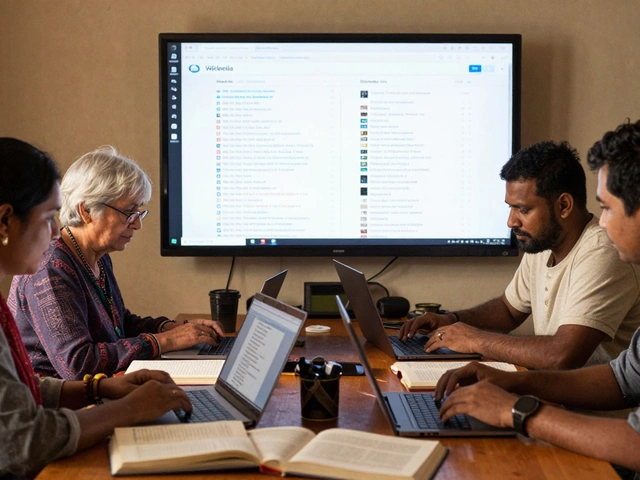
When you think of Wikipedia, you might picture a global network of volunteers—but the truth is, contributor locations, the geographic distribution of people who edit Wikipedia. Also known as editor demographics, it reveals a stark imbalance: over half of active editors come from just five countries, mostly in North America and Europe. That means the stories, events, and even the way facts are framed often reflect where the most editors live—not where the most people do.
This isn’t just a numbers game. regional outreach, targeted efforts to bring new editors into underrepresented areas. Also known as local edit-a-thons, it’s how Wikipedia tries to fix this gap—hosting training sessions in Nigeria, India, or Peru to teach people how to add their own history, culture, and knowledge to the site. But outreach alone doesn’t fix everything. editor demographics, the patterns of who edits Wikipedia by region, language, gender, and background. Also known as editor diversity, it shows that even when people are trained, they often don’t stay—because the platform still feels unwelcoming, too technical, or too dominated by voices from the Global North. Language matters too. A Wikipedia article in Swahili or Bengali might have fewer editors, but those editors often know the local context better than anyone else. That’s why multilingual Wikipedia, the collection of Wikipedia editions in different languages, each with its own community and standards. Also known as language editions, it’s not just about translation—it’s about who gets to define what’s true in their own words.
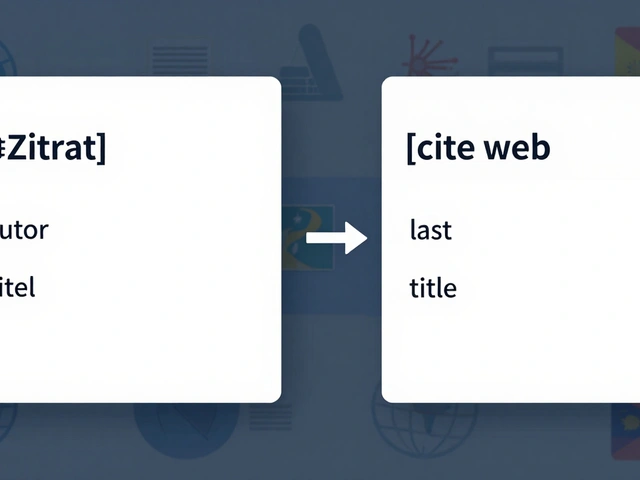
Some of the most powerful edits on Wikipedia come from places you’ve never heard of—a teacher in Uganda adding details about local elections, a student in Indonesia correcting a map, a librarian in Argentina citing obscure archives. But these moments are rare because the system wasn’t built for them. Tools like mobile editing and TemplateWizard help, but they don’t solve the core issue: if your region isn’t represented by enough editors, your knowledge stays off the page.
What you’ll find below are real stories from the frontlines of this imbalance. From edit-a-thons in rural towns to data on which countries produce the most reliable edits, these posts show how contributor locations aren’t just a statistic—they’re the heartbeat of what Wikipedia becomes, and what it fails to be.
Geographic Bias in Wikipedia: How Location Shapes What We Know
Wikipedia claims to be a global knowledge hub, but its content is heavily shaped by where editors live. This article explores how geographic bias affects what’s written, who gets heard, and why the world’s knowledge is skewed toward the Global North.