Critical Reading on Wikipedia: How to Spot Bias, Verify Sources, and Edit Wisely
When you read a Wikipedia article, you’re not just taking in facts—you’re seeing the result of thousands of decisions made by real people. critical reading, the practice of questioning sources, identifying bias, and understanding context before accepting information. It’s not about being skeptical for the sake of it—it’s about knowing how Wikipedia actually works, so you don’t get fooled by well-written lies. This isn’t just for students or researchers. If you’ve ever clicked on a Wikipedia link to settle an argument, check a fact, or write a report, you’re already using it. But without critical reading, you might miss the gaps, the omissions, or the quiet battles happening behind the scenes.
Wikipedia doesn’t have a single truth—it has a neutral point of view, a policy requiring articles to represent all significant views fairly, without taking sides. But who decides what’s "significant"? That’s where Wikipedia sourcing, the requirement that every claim be backed by reliable, published sources. comes in. A claim like "X country invaded Y" isn’t accepted just because someone typed it. It needs a credible news outlet, academic paper, or official document. That’s why AI-generated text often fails on Wikipedia—it sounds confident but has no paper trail. And when sources are weak or missing, that’s when edit wars, ongoing disputes between editors over how a topic should be presented. flare up. These aren’t just arguments—they’re fights over history, identity, and power, often tied to geopolitics, corporate interests, or national narratives.
What makes Wikipedia different from other encyclopedias isn’t just its size—it’s that every edit is public, every dispute is archived, and every source is open to review. You can see exactly how a sentence changed over time, who pushed for it, and why it was reverted. That’s the power of critical reading: you’re not just consuming knowledge—you’re watching it get made. You’ll find articles here that show how bots catch spam, how librarians verify citations, how editors disclose conflicts of interest, and how communities debate what counts as reliable news in places without newspapers. You’ll see how policies like conflict of interest rules and copyvio detection keep things honest. And you’ll learn how to look past the surface and ask: Who wrote this? What’s missing? Where’s the proof? This collection doesn’t just explain Wikipedia—it shows you how to read it like a pro.
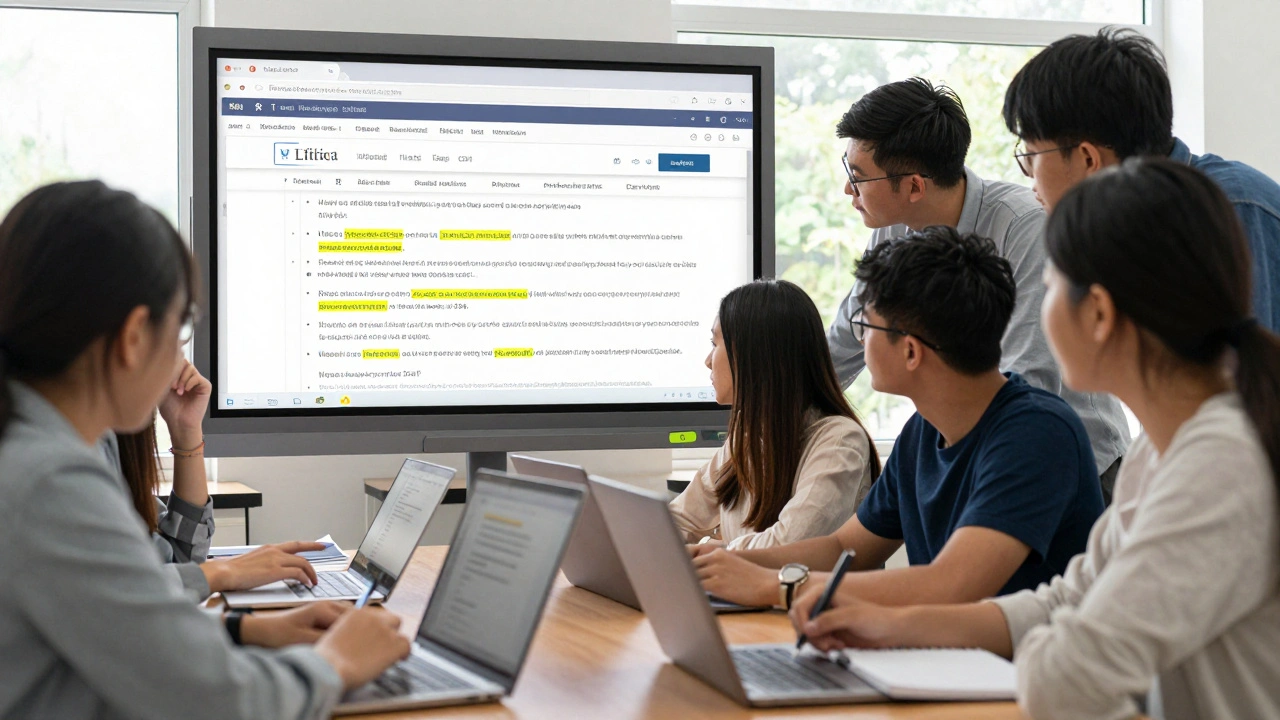
How to Use Wikipedia Talk Pages for Classroom Debates
Wikipedia talk pages reveal how knowledge is debated and built-making them powerful tools for teaching students to think critically, spot bias, and evaluate sources in the classroom.
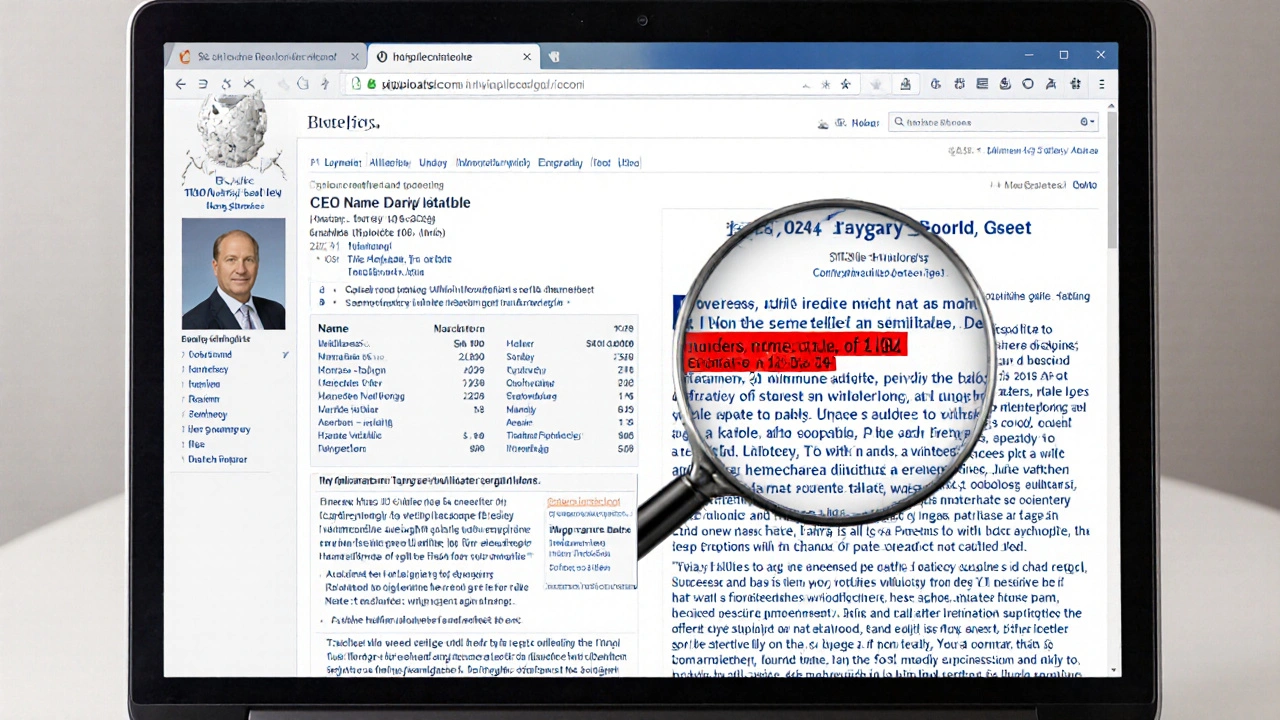
How to Read a Wikipedia Article Critically: Infoboxes, Lead Sections, and References
Learn how to read Wikipedia articles critically by checking infoboxes, lead sections, and references to avoid misinformation and uncover hidden bias. Stop trusting, start verifying.