Wikipedia isn’t just a website with articles-it’s a living, breathing network of thousands of people making real-time decisions about what’s true, what matters, and what gets erased. Most people think of Wikipedia as a passive source of facts. But behind every edit, every revert, every debate in the talk pages, there’s human behavior driving it all. Studies over the last 15 years have dug into how these editors think, argue, and cooperate-and what they’ve found isn’t what you’d expect.
Who Actually Edits Wikipedia?
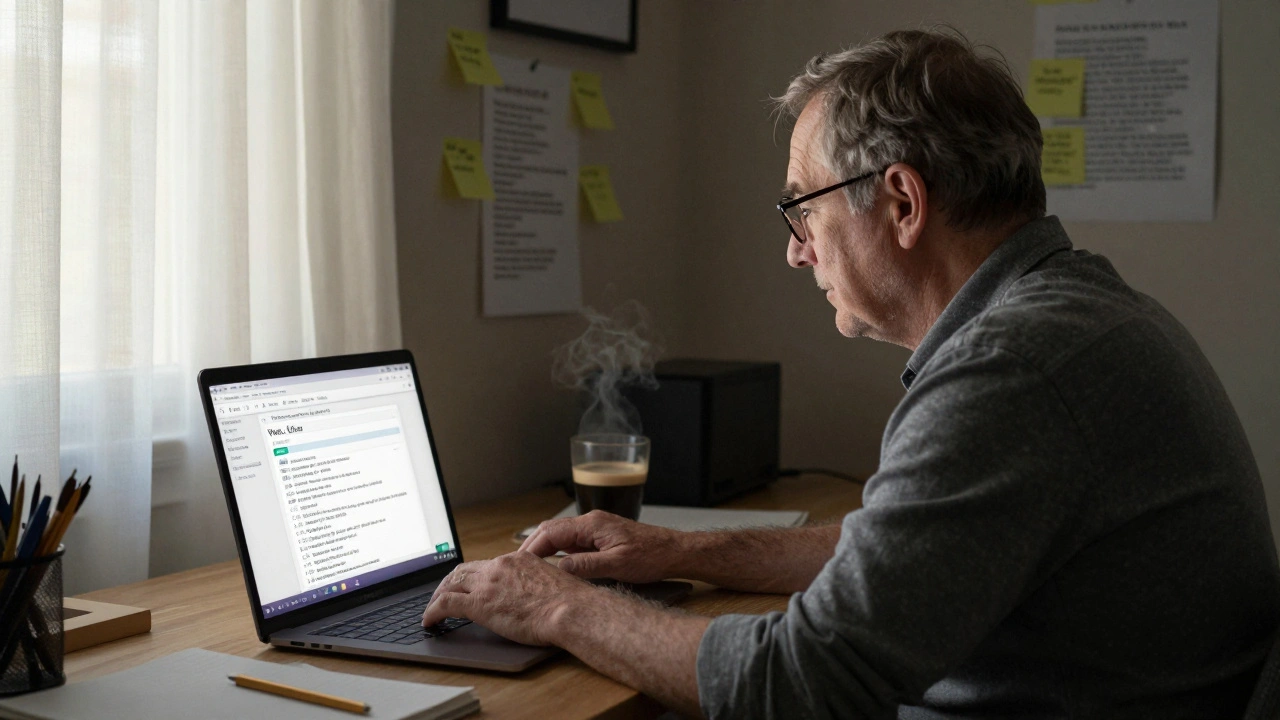
The myth that Wikipedia is run by a small group of elite academics? False. A 2023 analysis of over 200 million edits showed that fewer than 1% of registered users make 50 or more edits per month. Most contributors are casual: someone fixes a typo while waiting for coffee, another adds a citation after reading a book. But the heavy lifters? They’re not professors or librarians. They’re retirees, students, hobbyists, and people who just really care about a niche topic-like 1980s Japanese anime or rural post offices in Nebraska.
Gender imbalance is real. Studies from the Wikimedia Foundation show that only about 15-20% of active editors identify as women. That gap hasn’t closed much since 2011, despite outreach efforts. The reasons? A mix of hostile editing environments, complex rules that feel like gatekeeping, and a culture where assertive editing is rewarded over polite collaboration.
How Edits Get Rejected-And Why
Not every edit survives. About 40% of new edits to articles get reverted within 24 hours. But here’s the twist: most reverts aren’t because the edit is wrong. They’re because the editor didn’t follow the unwritten rules.
For example, a 2022 study tracked edits to 10,000 biographies. It found that edits from new users were 3.5 times more likely to be reverted if they added a personal opinion-even if that opinion was factually correct. Editors who cited Wikipedia’s own policies (like “No Original Research” or “Neutral Point of View”) had their changes accepted 70% more often than those who just added facts.
It’s not about truth. It’s about process. The system trusts the rules more than the person.
The “Vandalism Patrol” Is Real-And It’s Mostly Volunteers
Every minute, someone on Wikipedia is undoing malicious edits. Spam links, offensive language, fake celebrity death announcements-these happen constantly. Automated bots handle about 60% of it. But the rest? That’s human volunteers.
There are about 1,500 active “patrollers” who spend hours daily scanning recent changes. Many of them have been doing this for over a decade. One patroller, known only by their username “Kensington92,” told researchers they started because they were tired of seeing false information about their hometown. Now, they spend 45 minutes every morning checking edits to local history pages.
These volunteers aren’t paid. They don’t get badges or titles. But they have a strong sense of duty. One study found that patrollers who felt their work was “meaningful” were 5x more likely to stay active for more than five years.
Conflict Isn’t Chaos-It’s Structure
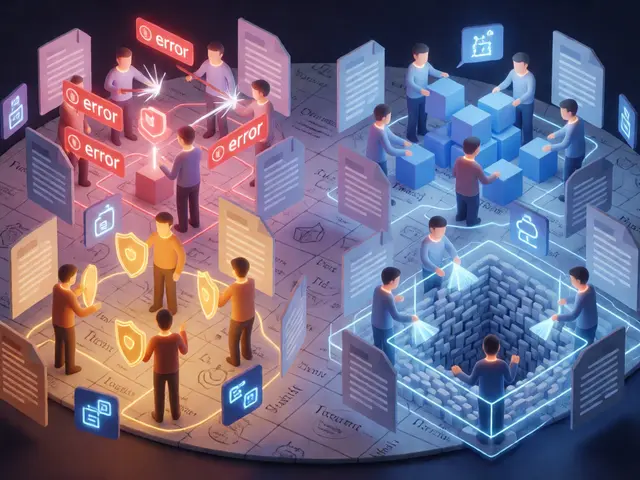
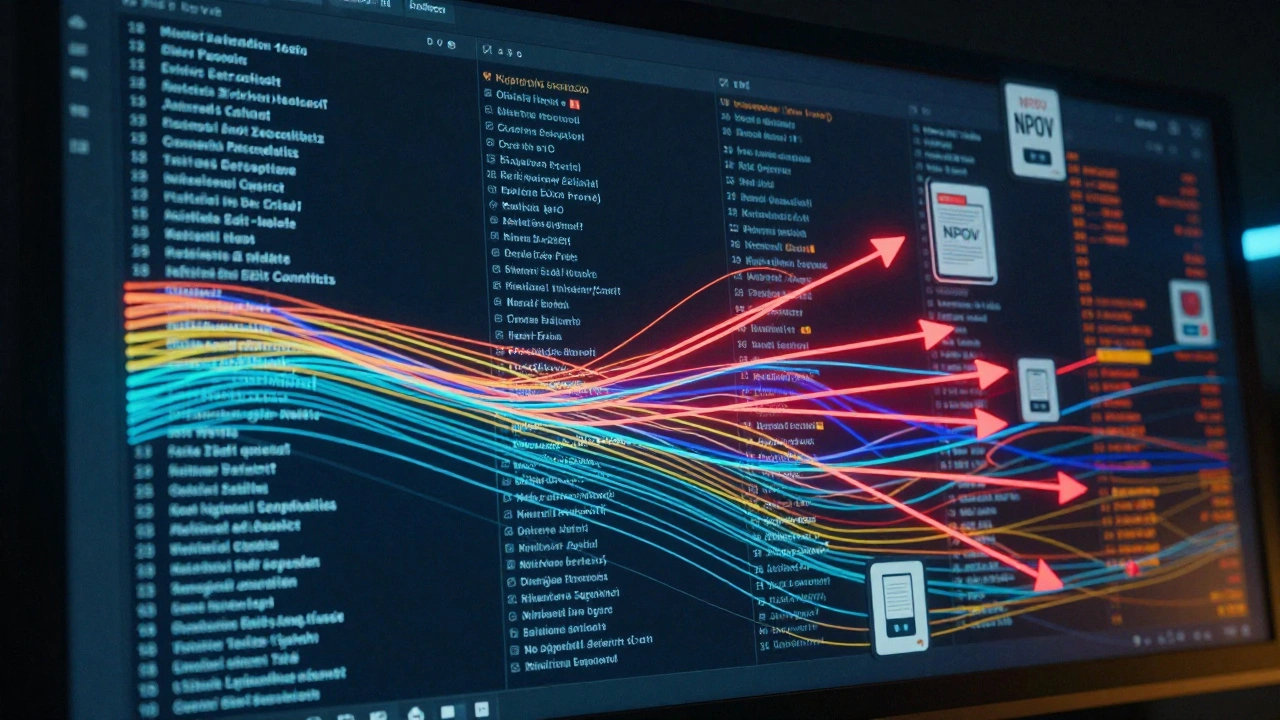
Wikipedia’s edit wars look messy. Two users fighting over whether a historical figure was a hero or a tyrant. But research shows these conflicts aren’t random. They follow patterns.
A 2021 paper analyzed 1.2 million edit conflicts across 200,000 articles. It found that the most heated disputes happened in articles about politics, religion, and modern celebrities. But here’s what’s surprising: most conflicts didn’t end with one side “winning.” Instead, they led to compromises-like adding qualifiers (“some historians argue...”) or citing multiple sources.
Wikipedia doesn’t resolve disputes by majority vote. It resolves them by consensus, built through discussion. And surprisingly, the people who argue the loudest often end up being the ones who learn the most. One editor who spent six months fighting over a climate change article later became one of the most trusted sources on the topic.
Why Some Articles Are Perfect-and Others Are a Mess
Not all Wikipedia articles are created equal. Some have dozens of citations, clean formatting, and balanced perspectives. Others? They’re full of vague statements, broken links, and outdated stats.
What makes the difference? It’s not the topic’s popularity. A study of 50,000 articles found that articles about obscure topics like “19th-century Swedish textile mills” were often better written than articles on “climate change” or “World War II.” Why? Because niche topics attract passionate, detail-oriented editors who stick around. Popular topics? They get flooded with casual editors who make quick changes and leave.
Also, articles with active “talk pages” - where editors discuss changes before making them - are 80% more likely to be high quality. The secret isn’t more editors. It’s better communication.
What Happens When You’re New?
If you’ve ever tried editing Wikipedia and got your edit reverted with no explanation, you’re not alone. A 2024 survey of 8,000 first-time editors found that 68% gave up after their first rejection. The biggest reason? Lack of feedback.
Wikipedia doesn’t send welcome emails. It doesn’t have tutorials that walk you through the first edit. New editors are thrown into a system with 500+ policies and no guide. One researcher interviewed a high school student who spent three hours writing a detailed edit about her favorite band-only to see it deleted with a single line: “Notability not established.” She never edited again.
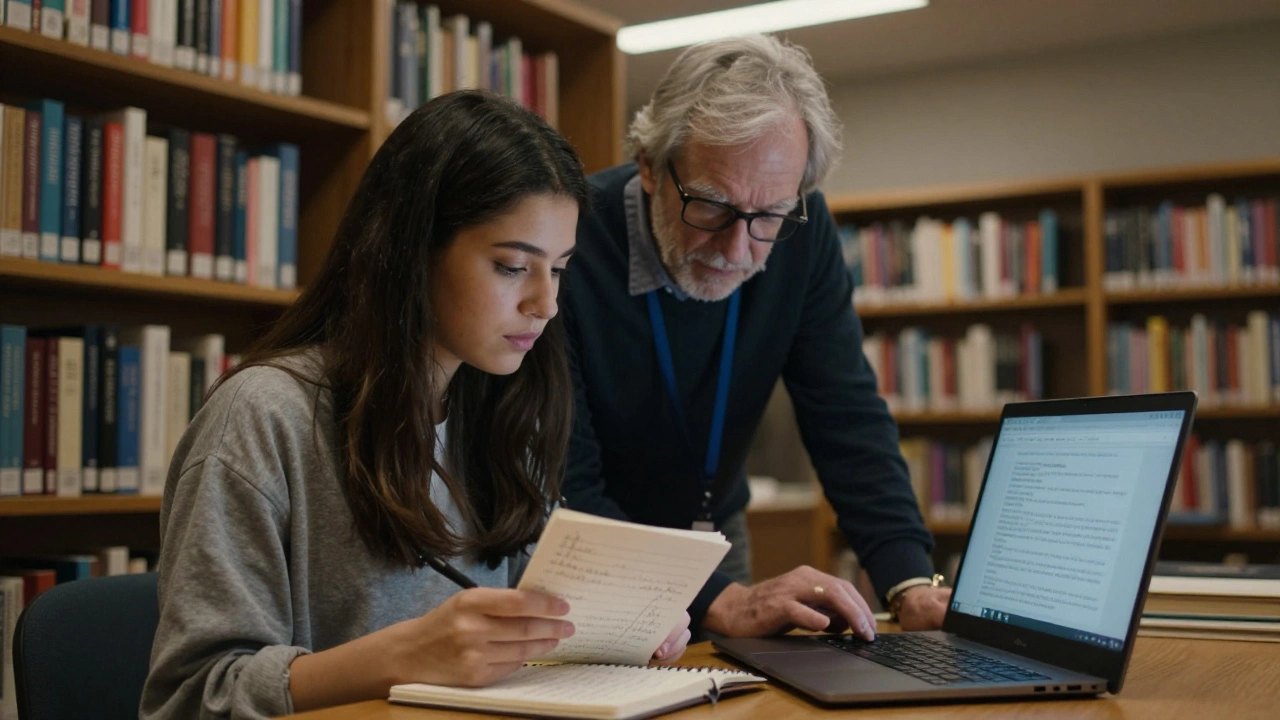
But the ones who stick around? They find mentors. A small group of experienced editors actively reach out to newcomers, explain the rules, and help them improve. These “onboarding” relationships are the single biggest predictor of long-term editor retention.
The Hidden Rules Nobody Talks About
Wikipedia’s official policies are public. But the real rules? They’re whispered in talk pages and IRC channels.
For example: If you’re editing a biography of a living person, you’re expected to cite at least two independent, reliable sources-even if the info is obvious. That’s not in the policy. But if you don’t, your edit will vanish.
Another hidden rule: Don’t edit articles you have a personal connection to. Even if you’re the expert. If you work at a company and try to fix its Wikipedia page, you’ll be blocked-even if you’re right. The system assumes bias, not expertise.
These unwritten norms keep the site stable. But they also make it hard for outsiders to join. The system rewards insiders who’ve learned the code.
What’s Changing in 2025?
Wikipedia is slowly adapting. In 2024, the foundation rolled out a new “Edit Assistant” tool that gives real-time feedback when you make a questionable edit. It suggests sources, flags tone issues, and even offers a friendly message: “This might seem obvious, but can you cite where you got this?”
There’s also a push to make talk pages easier to use. New templates help newcomers ask questions without sounding confrontational. And pilot programs in universities are teaching students to edit Wikipedia as part of their coursework-with better support.
But the biggest shift? Recognizing that Wikipedia isn’t just a database. It’s a community. And communities need care, not just rules.
What This Means for You
If you use Wikipedia as a source, you should know: the reliability of an article isn’t about how many views it gets. It’s about how many people cared enough to argue over it.
High-quality articles have long discussion histories. They cite peer-reviewed journals, books, and major news outlets-not blogs or press releases. They’ve been edited by people who’ve spent months, not minutes, on the topic.
If you want to contribute? Start small. Fix a broken link. Add a missing date. Don’t try to rewrite the whole thing. And if your edit gets reverted? Don’t take it personally. Ask why. Most editors will help-if you ask politely.
Wikipedia works because people care. Not because it’s perfect. But because it’s alive-and the people who keep it alive are more human than you think.
Do Wikipedia editors get paid?
No, Wikipedia editors are volunteers. The Wikimedia Foundation, which runs the site, employs a small staff for technical and administrative support, but no one is paid to write or edit articles. All content is created and maintained by unpaid contributors worldwide.
Why are some Wikipedia articles better than others?
Articles with consistent, long-term editing by dedicated contributors tend to be higher quality. These articles usually have multiple citations, balanced perspectives, and active discussion pages. Popular topics often have more edits but also more vandalism and conflicting edits, which can lower quality. Niche topics often have fewer editors, but those editors are deeply invested and meticulous.
Can I edit Wikipedia if I’m not an expert?
Yes. You don’t need to be an expert to edit Wikipedia. Many of the best edits come from people who notice small errors-a typo, a wrong date, a missing source. The key is to follow basic guidelines: cite reliable sources, avoid original research, and be polite in talk pages. Even small contributions help.
What happens if I make a bad edit?
Most bad edits are quickly reverted by other editors or bots. If your edit is removed without explanation, check the article’s history or talk page to see why. You can ask for feedback-most experienced editors are happy to help newcomers understand the rules. Don’t get discouraged; even experts started somewhere.
Is Wikipedia biased?
Wikipedia tries to be neutral, but bias exists because its editors are human. Some topics, like politics or gender, have more editing conflict and can reflect the views of the dominant group of contributors. Studies show articles on Western topics tend to be longer and better sourced than those on Global South subjects. The community is working to fix this through outreach and editing drives focused on underrepresented topics.