Disclosure Policy on Wikipedia: What Editors Must Reveal to Stay Trusted
When you edit a Wikipedia article about a company you work for, a product you sell, or a person you know personally, the disclosure policy, a rule requiring editors to openly state any personal or financial connections to the subject they’re editing. Also known as conflict of interest (COI) policy, it exists because hidden agendas corrupt the encyclopedia’s credibility. Wikipedia doesn’t ban these edits—it just asks you to say up front who you are and why you care. That’s it. No secret accounts. No disguised promotions. Just honesty.
This isn’t just about rules—it’s about trust. If you’re a scientist editing your own research paper, or a PR person rewriting a client’s biography, the community needs to know. Otherwise, you’re not helping—you’re manipulating. The conflict of interest policy, the formal guideline that ties disclosure to editing behavior makes it clear: failing to disclose can lead to your edits being reverted, your account warned, or even blocked permanently. It’s not punishment—it’s protection. For the article. For the reader. For the whole project.
And it’s not just about corporations or celebrities. It applies to anyone with a stake. A teacher editing their school’s page. A volunteer writing about the nonprofit they run. A family member updating a relative’s biography. These aren’t rare cases—they happen every day. The disclosure policy, a core part of Wikipedia’s ethical framework for maintaining neutrality doesn’t care if your motive is good. It cares if it’s visible. That’s why editors use talk pages, user pages, and edit summaries to say: "I work at this organization," or "This is my uncle." That simple line keeps the system working.
What you’ll find below are real stories and practical guides on how this policy plays out in practice—from how bots flag hidden conflicts, to how editors navigate tricky situations without getting banned. You’ll see how librarians, educators, and even journalists follow these rules to keep Wikipedia clean. You’ll learn how disclosure isn’t a barrier to contribution—it’s the foundation of fair editing. And you’ll see why, in a world full of misinformation, this one simple rule still holds the encyclopedia together.
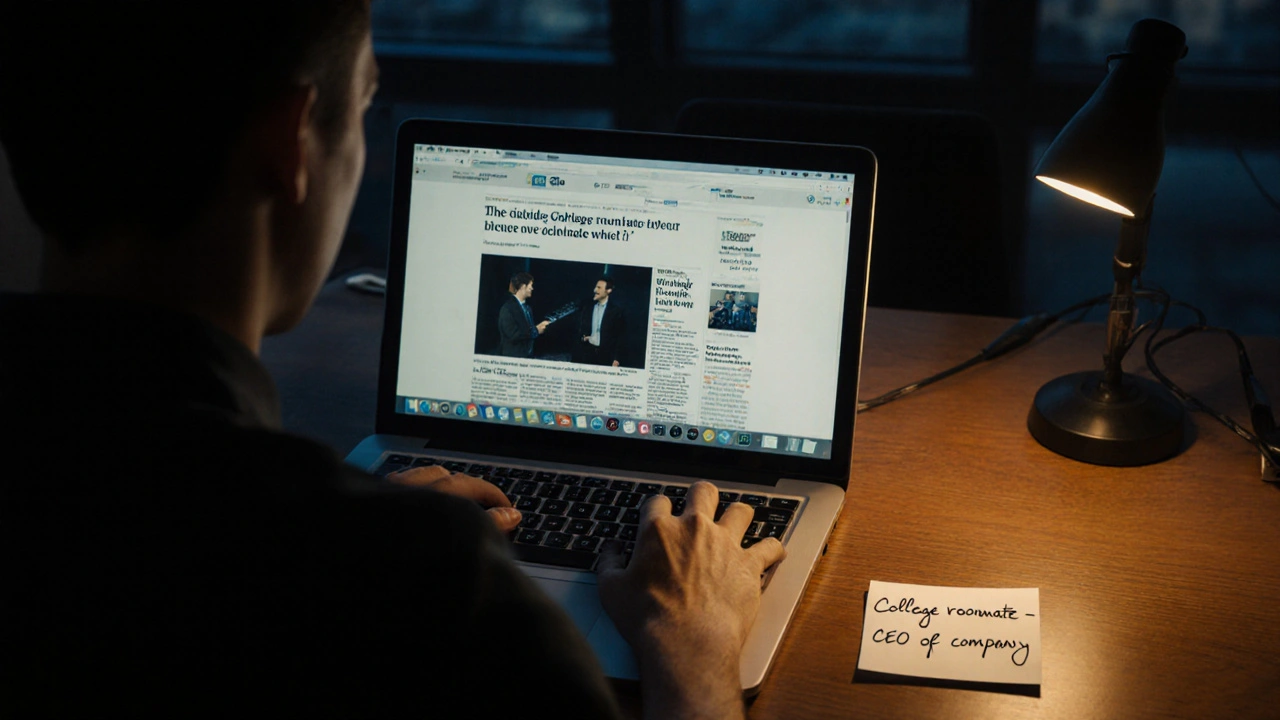
Conflict of Interest Policy: How Editors Stay Neutral When Personal Ties Clash With Professional Duty
Conflict of interest policies in journalism ensure editors don’t let personal ties affect their reporting. Learn how these rules evolved, what they cover today, and why transparency matters more than ever.