Educators Wikipedia: How Teachers Use Wikipedia to Teach and Learn
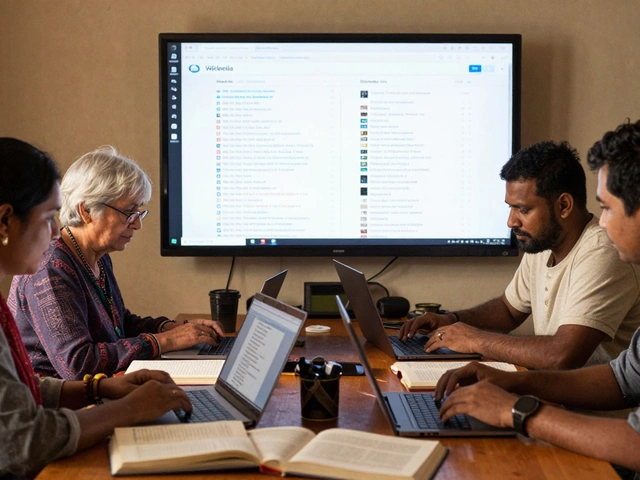
When educators Wikipedia, teachers and professors who use Wikipedia as a teaching tool to build research, writing, and critical thinking skills in students. Also known as Wikipedia in education, it transforms passive learning into active knowledge creation—turning student papers into public articles read by millions. This isn’t just about assigning Wikipedia edits. It’s about giving students real stakes: their work lives on, gets edited, gets cited, and can be improved by anyone, anywhere.
What makes this work? Wikipedia in education, a global program where universities integrate Wikipedia editing into coursework isn’t a side project—it’s a structured learning method. Professors in biology, history, and sociology now require students to write or improve Wikipedia articles instead of traditional essays. Why? Because a Wikipedia article must meet strict sourcing rules, be neutral, and be understandable to a general audience. That’s harder than writing for one professor. And when a student’s edit survives peer review and stays live? That’s real achievement.
The student editors, college and university students who contribute to Wikipedia as part of coursework or volunteer programs aren’t just fixing typos. They’re adding citations from academic journals, expanding under-covered topics like women in science or local history, and learning how to spot bias. In one study, students in a public health course at a U.S. university improved 17 articles on disease prevention. Those articles now get thousands of views every month. Meanwhile, in India, a university course on environmental policy led to 40 new articles on regional conservation efforts—content that didn’t exist before.
And it’s not just students. Professors themselves use Wikipedia to find gaps in knowledge, assign research projects, and even co-edit with their classes. They teach how to use talk pages, how to handle edit wars, and why a single poorly sourced sentence can undermine trust. The academic contributions, research-backed edits made by scholars and students to improve Wikipedia’s reliability and depth are quietly making the encyclopedia more accurate—and more useful for everyone.
Behind every classroom edit is a system: training modules, assignment templates, and volunteer mentors from the Wikipedia community who help guide new editors. The educators Wikipedia movement isn’t about replacing textbooks. It’s about teaching students how knowledge is made, tested, and shared. And that’s a skill no exam can measure—but one that lasts a lifetime.
Below, you’ll find guides, case studies, and tools that show exactly how this works—from the first edit to the final article. Whether you’re a teacher looking to start a class project or a student wondering why your assignment matters, these posts give you the real story.
How Librarians and Educators Shape Wikipedia's Community and Content
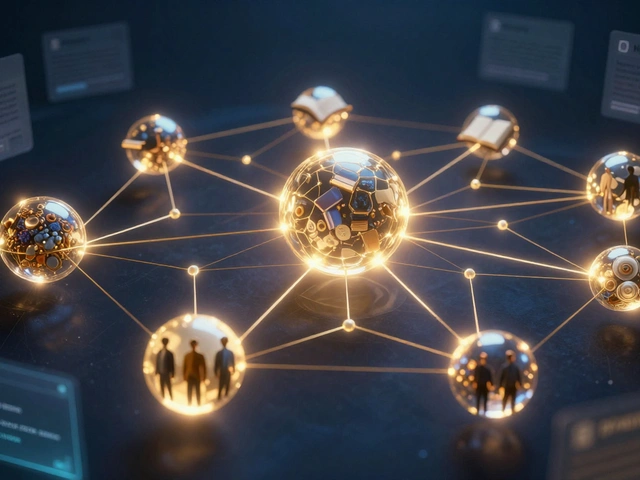
Librarians and educators are the hidden backbone of Wikipedia, ensuring accuracy, neutrality, and reliability. Their training in research and teaching makes them vital contributors to the world's largest encyclopedia.