Election Accuracy on Wikipedia: How the Encyclopedia Ensures Reliable Voting Information
When you look up an election result on election accuracy on Wikipedia, the reliability of voting data as verified by Wikipedia’s community-driven standards. Also known as election fact-checking on Wikipedia, it’s not just about numbers—it’s about who counts them, how sources are chosen, and why a single unverified tweet can’t change a national result. Unlike social media or news sites that chase clicks, Wikipedia demands proof. Every claim about voter turnout, ballot counts, or election outcomes must link to a trusted source—government reports, official press releases, or major news outlets with clear editorial standards. If a source is biased, outdated, or unverifiable, the edit gets reverted. This isn’t opinion. It’s policy.
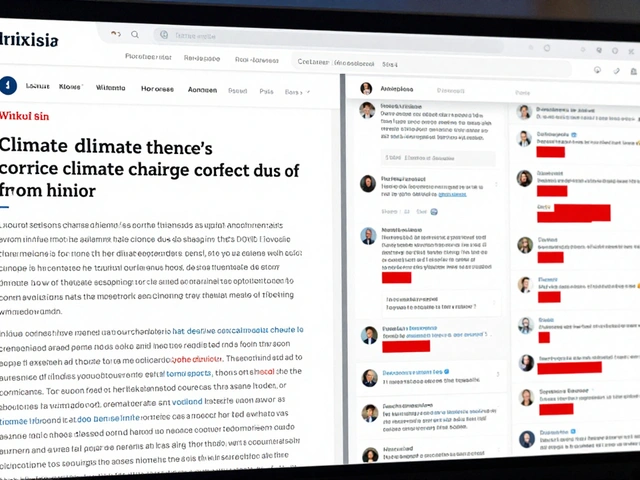
This system works because of Wikipedia sourcing, the requirement that all claims be backed by reliable, published sources. For election data, that means official election commissions, accredited polling agencies, and established media—not blogs, anonymous forums, or partisan websites. Wikipedia fact-checking, the ongoing process of verifying and correcting election-related content by volunteers happens in real time. During the 2020 U.S. election, over 10,000 edits were made to election articles in a single day, with most changes reviewed within minutes by trained editors. Bots flag suspicious edits instantly, and human volunteers investigate patterns of manipulation. This layered defense is why Wikipedia remains one of the few places online where you can find consistent, neutral election data—even when headlines are spinning.
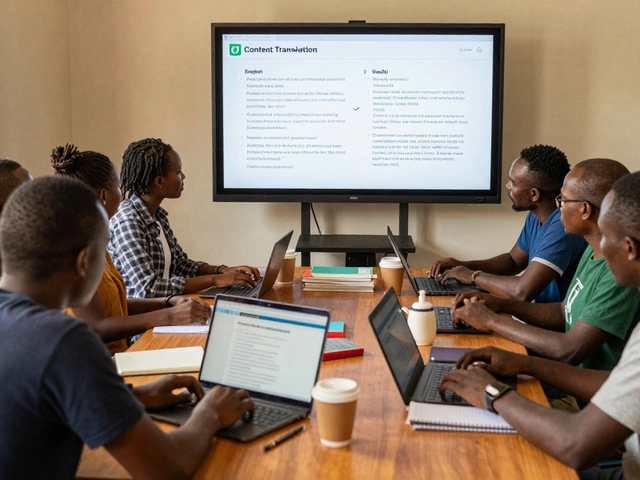
But it’s not perfect. election misinformation, false or misleading claims about voting processes or results that spread online still finds its way in, especially during global elections in regions with weak media infrastructure. In countries where local newspapers have shut down, Wikipedia editors struggle to find reliable sources. That’s why the community pushes for local partnerships—training journalists, librarians, and students to upload verified data from official channels. And when bad actors try to game the system with fake accounts or coordinated edits, Wikipedia policy, the set of rules governing neutrality, conflict of interest, and sourcing steps in. Conflicts of interest? Disclose them. Paid editing? Forbidden. Pushing a narrative? Blocked. These aren’t suggestions. They’re enforced.
What you’ll find below are real stories from the front lines: how editors caught false claims about ballot counts, how tools like diff and history logs exposed coordinated manipulation, and how policies evolved after major election events. No fluff. No theory. Just how Wikipedia keeps election information honest—day after day, vote after vote.

Wikipedia's Coverage of Political Elections Worldwide: Editor Guide
Learn how Wikipedia editors verify and update political election results worldwide using official sources, avoid bias, and maintain accuracy during high-stakes voting periods.