Fact-Checking Failures on Wikipedia: Why Sources Matter and How Errors Happen
When you see a claim on Wikipedia, you expect it to be true. But fact-checking failures, instances where inaccurate or unverified information appears on Wikipedia despite its policies. Also known as source errors, these happen when editors rely on weak or misleading information—sometimes because they trust a flashy headline, not a solid study. Wikipedia doesn’t invent facts. It reports what reliable sources say. That’s the rule. But not every source is reliable. A blog post, a press release, or a viral tweet can look official—and slip into an article unnoticed. That’s where the real problem starts.
Behind every fact-checking failure, a breakdown in the process that’s supposed to catch bad information before it goes live. Also known as source misjudgment, it often comes down to one thing: time. Volunteers are rushing to update articles during breaking news, and they don’t always have hours to dig into peer-reviewed journals. That’s why tools like Huggle, a real-time vandalism detection tool used by Wikipedia editors to quickly revert false edits exist. But Huggle catches spam and nonsense, not subtle misinformation. The harder failures are the ones that look right—like citing a preprint as if it’s peer-reviewed, or using a news outlet known for bias as a neutral source. That’s why media literacy, the skill of critically evaluating press coverage before using it as a source is now part of Wikipedia training. Editors are taught to ask: Who wrote this? What’s their agenda? Is this the only source?
It’s not all bad. Wikipedia’s system works because it’s open. When a mistake is found, it gets fixed—sometimes in minutes. The Wikipedia Library, a free resource giving editors access to paywalled academic journals and archives helps. So do tools that flag outdated citations or link to Wikidata’s structured facts. But the biggest defense is the community. Editors who care enough to check, to question, to revert. They’re the ones keeping the encyclopedia honest. You won’t always see them. But when you read a well-sourced article, they’re the reason it’s trustworthy.
Below, you’ll find real examples of how Wikipedia handles these challenges—what went wrong, what changed, and how you can help. From press releases that shaped policy to tools that catch errors before they spread, this collection shows the quiet work behind the scenes. No drama. No hype. Just how knowledge stays accurate when millions are watching.
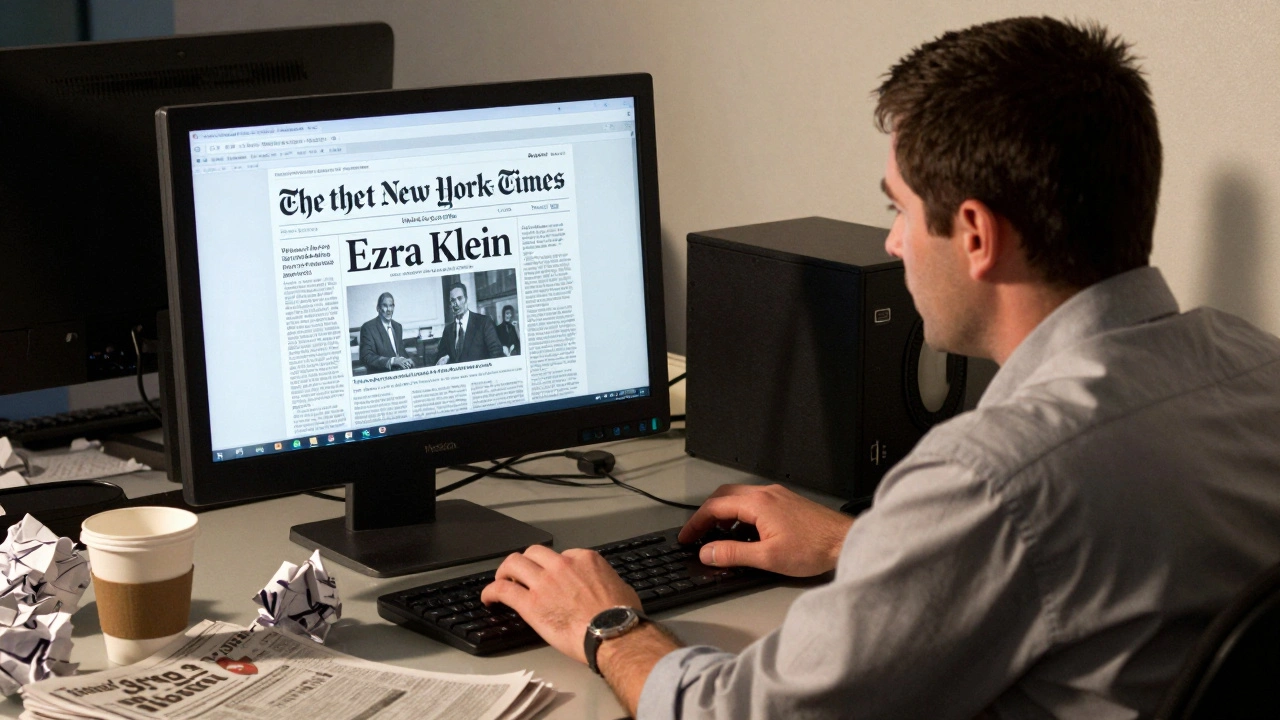
Lessons From Notable Wikipedia Press Errors and Corrections
Wikipedia is often misused by the press as a primary source, leading to major errors. Learn from real cases where media outlets published false claims based on Wikipedia hoaxes-and how to avoid repeating them.