Film Release Week: How Wikipedia Tracks and Updates Movie News in Real Time
When a major movie hits theaters, film release week, the period when new movies debut and generate massive public interest. Also known as box office launch week, it triggers a quiet but intense wave of editing across Wikipedia’s movie pages. Thousands of volunteers—many of them fans, critics, or film students—drop everything to update articles with accurate cast details, release dates, box office figures, and reviews. This isn’t just about keeping facts current. It’s about shaping how the world learns about new films in real time.
Behind every updated movie page is a system built for speed and accuracy. Wikipedia edit filters, automated tools that flag suspicious changes. Also known as vandalism detection systems, they help prevent fake plot twists or inflated earnings from spreading. Editors use tools like Huggle to quickly revert spam, while high-risk pages like blockbuster films often lock down to pending changes, requiring edits to be reviewed before going live. This matters because millions of people use Wikipedia as their first source for movie info—sometimes before they’ve even seen the trailer. When a film’s release week hits, those edits become the public record.
It’s not just about the movie itself. Wikipedia pageviews, the real-time measure of what people are searching for. Also known as traffic spikes, they reveal hidden trends—like which actors are trending, which studios are dominating, or which sequels are drawing skepticism. The Signpost, Wikipedia’s own news outlet, tracks these spikes weekly to show what’s truly capturing attention. A surprise indie hit might not make headlines, but its Wikipedia traffic can explode. Meanwhile, big studio releases often see massive edits from editors who aren’t just fans—they’re journalists, researchers, or even studio PR staff checking how their film is being portrayed.
And it’s not just English Wikipedia. Films release globally, and editors in dozens of languages update their local versions using data from Wikidata, the central database that shares facts across all Wikipedia languages. Also known as linked knowledge graph, it ensures that the lead actor’s name, release date, or runtime stays consistent whether you’re reading in Spanish, Hindi, or Swahili. This coordination happens quietly, but it’s what makes Wikipedia more accurate than any single news site.
During film release week, you’re not just reading about a movie—you’re seeing how open knowledge works under pressure. Editors follow strict sourcing rules, rejecting fan sites and social media posts in favor of official press releases, verified reviews, and box office trackers. When a film’s plot gets spoiled online, editors scramble to add it only after reliable sources confirm it. When a director makes a controversial statement, it gets added only if major outlets report it. This isn’t perfect—but it’s the most transparent system out there.
What you’ll find below are real stories from this world: how editors handle last-minute cast changes, how box office numbers get verified, how misinformation spreads and gets corrected, and how even small films can trigger massive editing efforts. These aren’t theoretical guides—they’re snapshots of Wikipedia in action, during the busiest, most visible time of the year for film-related content.
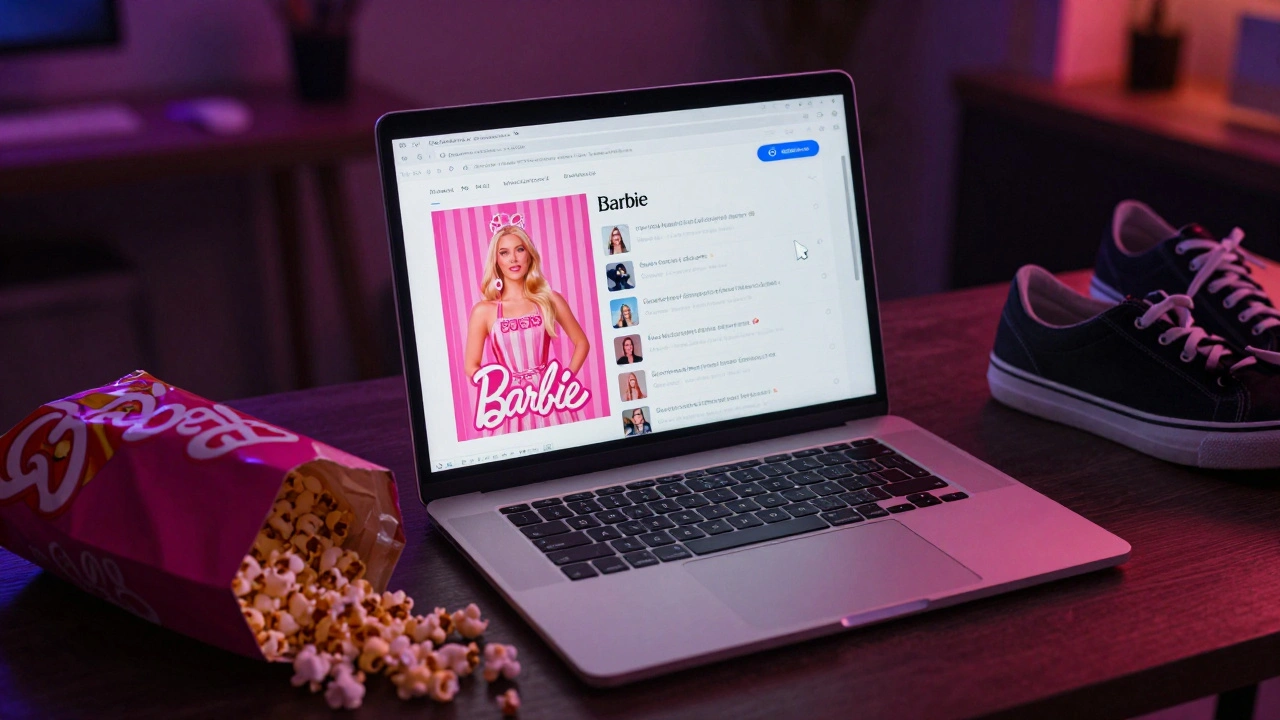
Film Release Week on Wikipedia: Pageviews and Edits
During film release week, Wikipedia pages see massive spikes in views and edits, turning them into real-time cultural archives. Learn how page traffic and community edits reveal what audiences truly care about.