Free Knowledge Campaigns: How Wikipedia and Its Community Fight for Open Access
When you think of free knowledge campaigns, organized efforts to remove barriers to information and ensure everyone can access, use, and share knowledge without cost or restriction. Also known as open access movements, these initiatives are the heartbeat of Wikipedia’s mission to give every person on the planet free access to the sum of all human knowledge. It’s not just about making articles free to read—it’s about dismantling systems that lock knowledge behind paywalls, corporate control, or outdated copyright laws.
These campaigns don’t happen in boardrooms. They’re led by volunteers who edit Wikipedia late at night, librarians who train students to cite sources properly, and journalists who use the Wikipedia Library, a program that gives reporters free access to academic journals and archives without needing a university login. They’re supported by the Wikimedia Foundation, the nonprofit that funds Wikipedia’s servers, tools, and legal defense against censorship and copyright abuse. And they’re fueled by people who believe knowledge shouldn’t be a privilege. You see it in GLAM-Wiki projects where museums share digitized archives with editors in rural India or Indigenous communities in Canada reclaiming their history on Wikipedia. You see it in editor retention programs that mentor newcomers so they don’t get scared off by complex rules. And you see it in the fight against AI companies that scrape Wikipedia without credit or consent.
Free knowledge campaigns aren’t always loud. Sometimes they’re quiet edits that fix a misleading sentence. Sometimes they’re banners on Wikipedia that ask for donations instead of running ads. Sometimes they’re court cases defending the right to archive public records. But they’re always there—working to make sure your next search doesn’t lead to a paywall, a login screen, or a dead link. What you find below is a collection of stories about how these campaigns actually work: how editors fight misinformation, how tools like Huggle and CentralNotice keep things fair, and how small actions by ordinary people add up to something huge. These aren’t abstract ideals. They’re daily choices made by real people who refuse to let knowledge belong to just a few.

Wikimedia Campaigns Team Unveils New Tools for Community Organizers
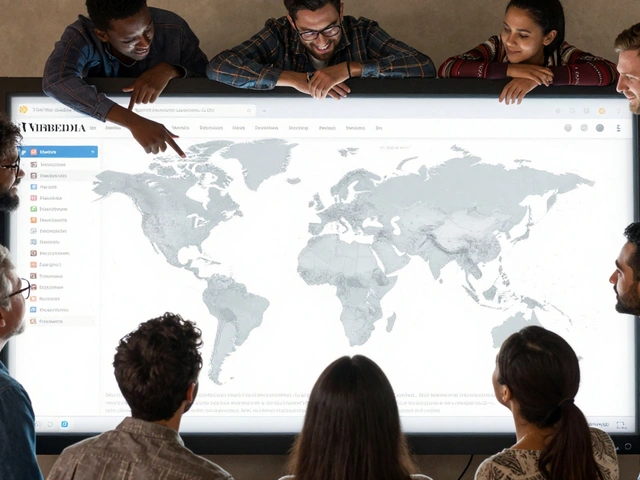
Wikimedia Campaigns Team launches new tools to help community organizers run Wikipedia edit-a-thons, track impact, and access grants - making it easier than ever to grow free knowledge locally.