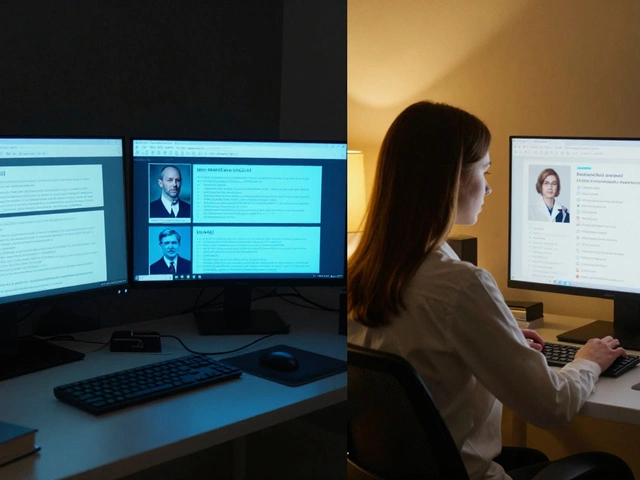
GLAM institutions and their impact on Wikipedia: Museums, libraries, and archives partnering for free knowledge
When you think of GLAM institutions, cultural organizations like galleries, libraries, archives, and museums that preserve and share heritage. Also known as cultural heritage organizations, they hold millions of artifacts, documents, and images that most people never see—until Wikipedia steps in. These aren’t just dusty storage rooms. They’re the original source material for everything from ancient pottery to 20th-century photography. And now, they’re working directly with Wikipedia editors to make that knowledge free, accurate, and searchable by anyone with an internet connection.
This isn’t just about uploading pictures. GLAM-Wiki partnerships, formal collaborations between cultural institutions and Wikipedia volunteers to improve content and access fix big problems: outdated Wikipedia entries, missing perspectives from marginalized communities, and sources locked behind paywalls or museum vaults. A library in Berlin might donate digitized newspapers to help edit articles on post-war Europe. A museum in Nairobi could train local editors to add details about African art that Western sites got wrong. These aren’t one-off projects—they’re ongoing relationships where institutions give access, and editors give context.
It’s not magic. It’s work. Staff from these institutions learn how Wikipedia works—how to cite sources, avoid copyright traps, and write neutrally. Volunteers learn how to handle fragile archives, understand provenance, and respect cultural sensitivity. The result? Articles that don’t just cite a book, but reflect real research. Photos that aren’t just thumbnails, but high-res scans from original negatives. And a Wikipedia that starts to look more like the world it’s supposed to describe.
These partnerships also solve real-world issues. Many GLAM institutions struggle with public engagement. Wikipedia gives them a global audience. Many Wikipedia editors struggle with reliable sources. GLAMs give them primary material they can’t get anywhere else. And when a university archive shares its collection with Wikipedia, it’s not just helping editors—it’s teaching students how to use real sources, not just Google.
What you’ll find in this collection are real stories of these connections: how a single archive upload changed a Wikipedia article’s credibility, how a museum’s edit-a-thon brought in 50 new editors, and why some institutions are still hesitant to join. You’ll see how tools like the Wikipedia Library give journalists access to paywalled archives, how edit filters protect high-risk articles from vandalism, and how tools like Huggle help keep the content clean. This isn’t theory. It’s what’s happening right now—in cities and towns, in countries with strong digital access and those still catching up.
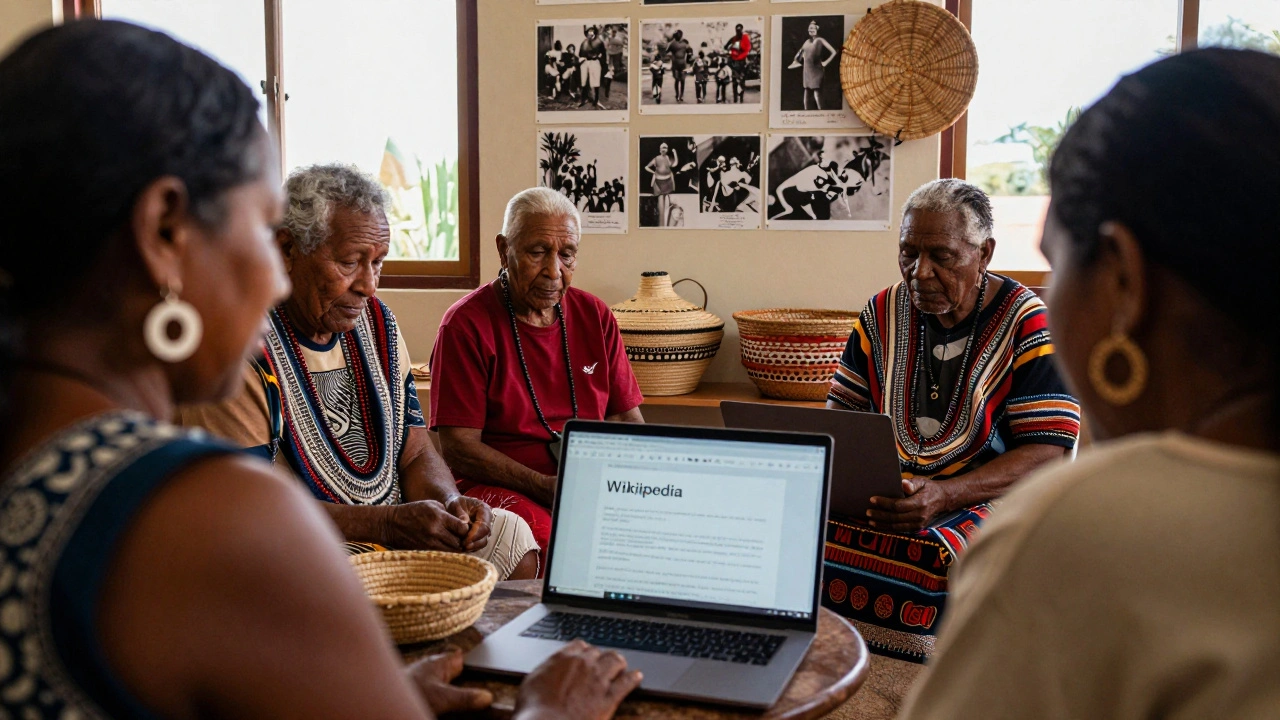
Multilingual GLAM-Wiki Projects: Real Case Studies on Wikipedia
Multilingual GLAM-Wiki projects connect museums, libraries, and archives with Wikipedia editors to share cultural heritage in local languages. Real case studies show how Indigenous, minority, and post-colonial communities are reclaiming their stories on Wikipedia.