GLAM-Wiki Partnerships: How Libraries, Archives, and Museums Team Up with Wikipedia
When a museum, library, or archive works with Wikipedia, it’s not just about posting photos or links—it’s about GLAM-Wiki partnerships, collaborations between cultural institutions and Wikipedia volunteers to share knowledge openly. Also known as GLAM initiatives, these efforts turn locked-up archives into free, searchable content used by millions around the world. Think of it like this: a local historical society has thousands of old photos no one can access online. With a GLAM-Wiki partnership, those photos get uploaded to Wikimedia Commons, described with accurate metadata, and linked directly to Wikipedia articles. Suddenly, a student in Kenya or a researcher in Brazil can find them—no paywall, no login, no permission needed.
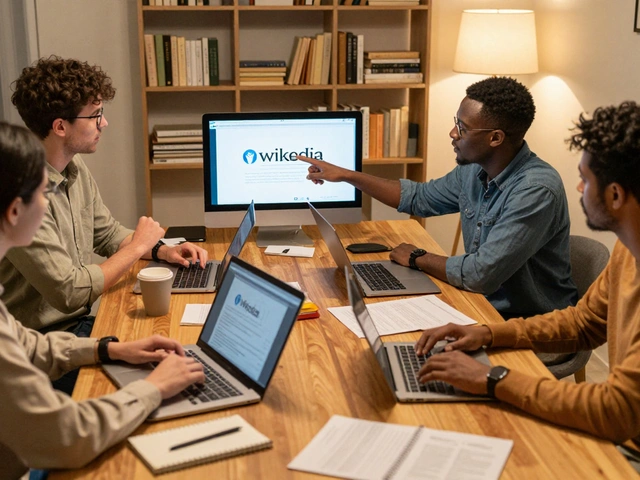
This isn’t theoretical. Libraries give Wikipedia editors free access to rare books and journals through the Wikipedia Library, a program that provides volunteers with free access to academic databases and archives. Archives train staff to edit Wikipedia so they can correct misinformation about local history. Museums host edit-a-thons where curators and volunteers work side by side to add details about underrepresented artists, cultures, and events. These aren’t one-off events—they’re structured programs that build long-term trust between institutions and the Wikipedia community. And it works: articles about obscure historical figures, forgotten inventions, or regional traditions suddenly have reliable sources and citations because someone from the institution itself helped write them.
It’s not just about adding content. GLAM-Wiki partnerships fix bigger problems—like geographic bias and knowledge gaps. Most Wikipedia editors live in North America and Europe, so stories from Africa, Asia, and Latin America often get left out. When a museum in Ghana or a library in Indonesia joins the effort, they bring voices, languages, and perspectives that weren’t there before. This changes what the world sees as important. And it’s not just about quantity—it’s about quality. A photo from a museum archive is far more trustworthy than a random Google image. A Wikipedia article backed by an archive’s research is harder to delete or vandalize.
Behind every successful GLAM-Wiki project is a simple idea: knowledge shouldn’t be locked away. Whether it’s a university library sharing digitized manuscripts, a national archive training interns to edit Wikipedia, or a small-town museum uploading oral histories, these partnerships make history real, open, and alive. You’ll find stories here about how these collaborations happen, what tools they use, how they train staff, and why they matter more than ever in a world full of misinformation. The posts below show real examples—from museums in Canada to archives in India—proving that when culture and community come together, the world learns better.
GLAM-Wiki Partnerships: Recent Collaborations with Wikipedia
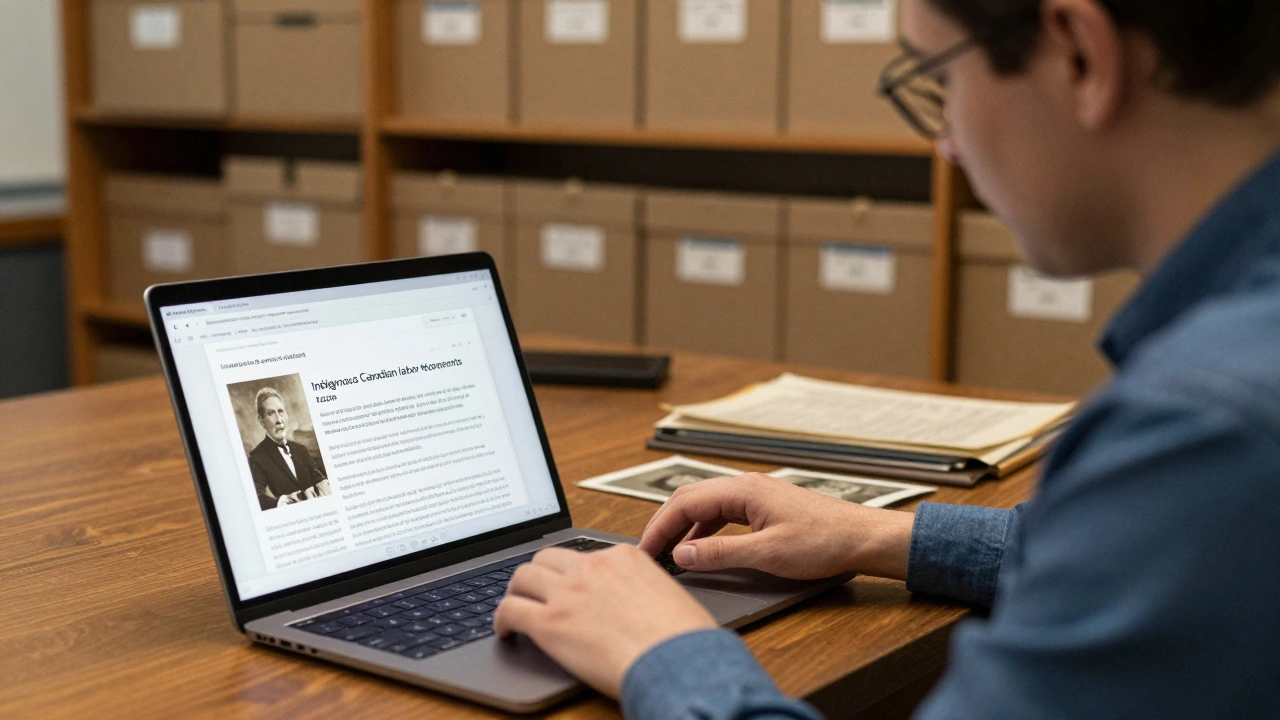
GLAM-Wiki partnerships connect museums, libraries, and archives with Wikipedia to improve public knowledge. Recent collaborations have expanded access to cultural heritage, corrected historical biases, and empowered underrepresented communities.