Journalism and Wikipedia: How News Reporting Shapes and Relies on the Encyclopedia
When a major news outlet breaks a story, it doesn’t just go out to readers—it also triggers a wave of edits on journalism and Wikipedia, the dynamic relationship between professional news reporting and the world’s largest open encyclopedia. Also known as media and Wikipedia, this connection is what keeps the encyclopedia current, accurate, and relevant. Every time a newspaper retracts a claim, corrects a name, or publishes an exclusive, Wikipedia editors scramble to update the article. It’s not magic—it’s policy. Wikipedia requires reliable, published sources, and major news organizations are among the most trusted. But it’s a two-way street: journalists increasingly turn to Wikipedia to find context, track evolving stories, and even uncover leads. They just need to know how to use it without breaking their own standards.
That’s where journalist roundtables, structured meetings between news professionals and Wikipedia editors to improve mutual understanding. Also known as media-Wikipedia collaborations, these events help reporters learn how Wikipedia’s sourcing rules work, and help editors understand how newsrooms verify facts under deadline pressure. When a journalist cites Wikipedia in a story, it’s not lazy—it’s often the only way to trace where a fact came from. But citing it wrong can hurt credibility. That’s why proper attribution matters. You don’t quote Wikipedia like a primary source. You trace the citation in its references. And if you find an error? Edit it. The system expects it. This isn’t just theory. In 2023, a major newsroom’s correction on a political figure’s background triggered over 800 Wikipedia edits across 12 languages in under 48 hours. That’s the power of this relationship.
Behind the scenes, tools like the Wikipedia Library, a free access program giving journalists legal access to paywalled academic journals and historical archives. Also known as Wikipedia research access, it lets reporters dig deeper without hitting subscription walls. It’s not for editing Wikipedia—it’s for reporting better. And when newsrooms publish corrections, those changes ripple into Wikipedia through automated systems and human editors who monitor media outlets. The result? A living, self-correcting knowledge base that mirrors the real-world evolution of truth. This isn’t about replacing journalism. It’s about extending it. The same editors who fix typos on celebrity pages also verify breaking war reports. The same policies that ban unverified preprints protect readers from misinformation. And when Wikinews publishes real-time updates, it’s not competing with CNN—it’s showing how open collaboration can move fast without sacrificing accuracy.
What you’ll find in the articles below isn’t a list of random posts—it’s a map of how journalism and Wikipedia actually work together. From how news corrections rewrite Wikipedia entries, to how editors train reporters to use the site right, to how tools like edit filters and pending changes protect high-risk articles during breaking events. This is the quiet infrastructure behind every fact you read online. And it’s changing—fast.
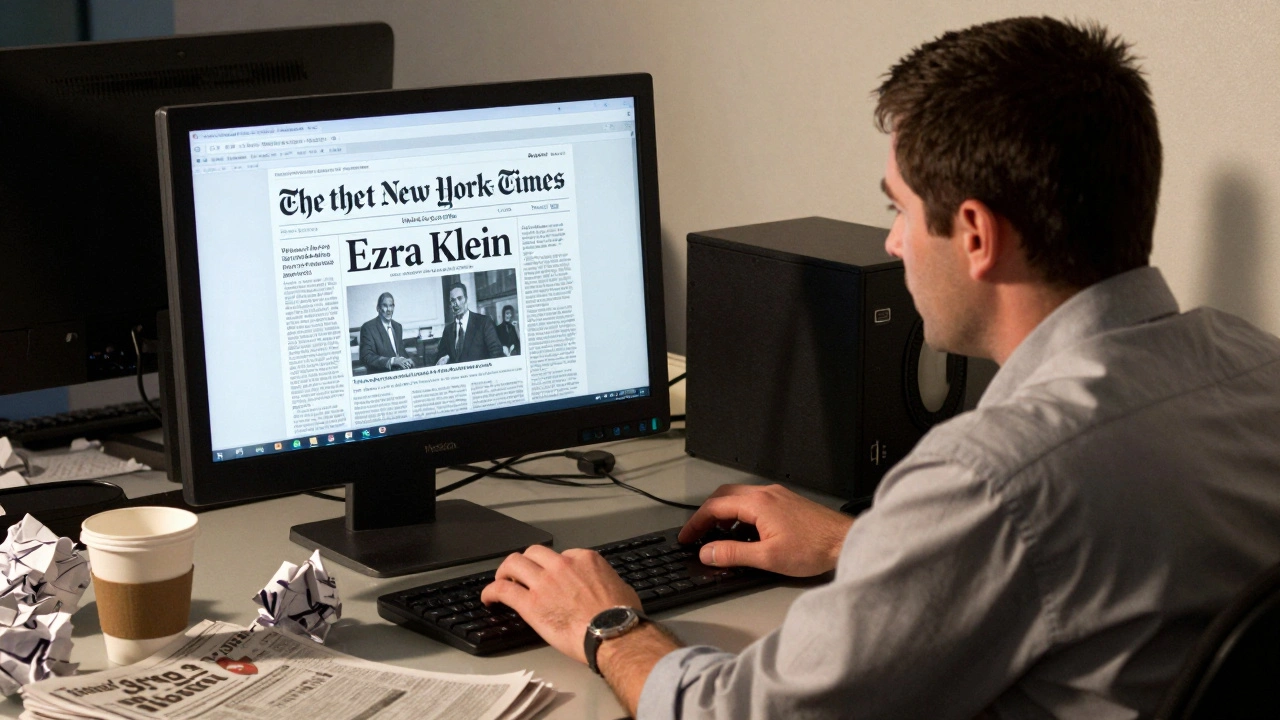
Lessons From Notable Wikipedia Press Errors and Corrections
Wikipedia is often misused by the press as a primary source, leading to major errors. Learn from real cases where media outlets published false claims based on Wikipedia hoaxes-and how to avoid repeating them.