Journalistic Sources on Wikipedia: What Counts and Why It Matters
When you see a claim on Wikipedia backed by a news article, that article isn’t just a footnote—it’s the journalistic source, a published report from a recognized media outlet used to verify facts on Wikipedia. Also known as reliable sources, these are the bedrock of every accurate Wikipedia article. Without them, Wikipedia wouldn’t be trusted by students, researchers, or even major news outlets that sometimes cite it. But not every news story qualifies. Wikipedia doesn’t accept blogs, press releases, or unverified social media posts—even if they’re from big names. It demands transparency, editorial oversight, and a track record of fact-checking.
This is where Wikinews, a volunteer-run news site where original reporting is published under open collaboration. Also known as open news, it’s one of Wikipedia’s sister projects that actually produces the kind of journalism Wikipedia relies on. Unlike traditional media, Wikinews doesn’t just reprint press releases. Its volunteers file original reports, interview sources, and update stories in real time—all while following strict sourcing rules. Then there’s the Wikipedia Library, a free access program that gives editors legal, no-cost access to paywalled academic journals, historical newspapers, and government archives. Also known as paywalled sources, it’s how many editors get behind paywalls to cite peer-reviewed studies or decades-old newspaper archives that back up claims about science, politics, or culture. These aren’t just tools—they’re lifelines. They let editors verify claims without needing a university login or a credit card.
And it’s not just about finding sources—it’s about knowing which ones to avoid. Preprints, for example, are banned because they haven’t been reviewed by experts. Opinion pieces from think tanks? Only if they’re cited as opinions, not facts. Even major outlets like The New York Times or BBC can be rejected if their reporting is based on anonymous sources or lacks corroboration. Editors don’t trust headlines. They dig into the byline, the date, the methodology. That’s why a single article on Wikipedia might use three different journalistic sources to support one fact.
What you’ll find in this collection isn’t a list of approved newspapers. It’s a behind-the-scenes look at how Wikipedia judges the credibility of news—whether it’s through tools like the Wikipedia Library, watchdogs like The Signpost, or the quiet work of editors who spend hours checking sources before saving an edit. You’ll see how journalists use Wikipedia’s own resources, how media errors get corrected, and why some of the most trusted facts online come from the least flashy places.
How to Properly Cite Wikipedia in News Stories
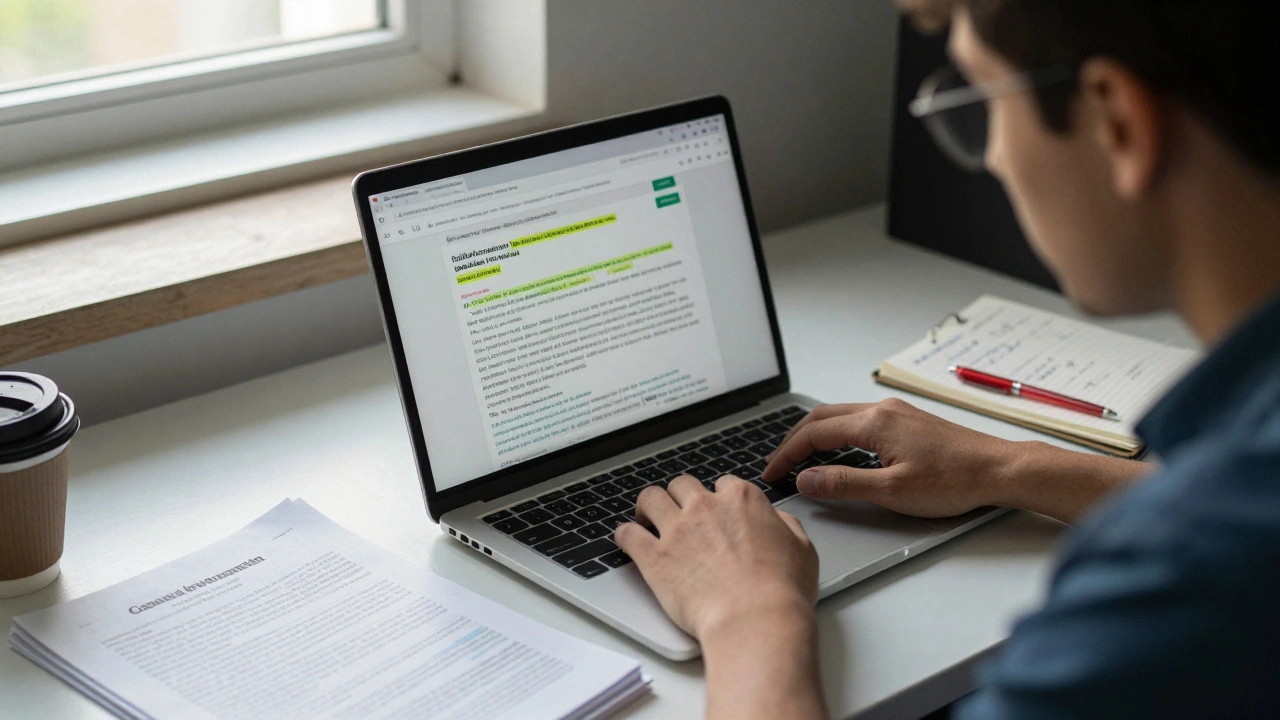
Learn how to properly attribute information from Wikipedia in news stories without compromising credibility. Discover why tracing sources matters and how to avoid common journalism mistakes.