Lead Section: What It Is and Why It Matters on Wikipedia
When you open a Wikipedia article, the first thing you see is the lead section, the opening paragraph or two that summarizes the entire article’s core content. Also known as the introduction, it’s not just a preview—it’s the foundation of trust. If the lead fails, readers move on. If it’s clear, accurate, and well-structured, they stay, learn, and even edit. This isn’t fluff. The lead section must answer who, what, when, where, and why in under 100 to 300 words, depending on the article’s length. It’s where Wikipedia’s commitment to neutrality and verifiability starts.
The lead section, a standardized part of every Wikipedia article, is governed by strict community guidelines. It must include the subject’s definition, key facts, and context—no opinions, no fluff. For example, a lead about a person states their profession, major achievements, birth and death dates, and why they’re notable. For a place, it covers location, population, historical significance, and governing structure. This isn’t optional. Articles with weak leads get flagged, rewritten, or even nominated for deletion. The WikiProject assessment guidelines, a system used by editors to rate article quality, explicitly checks the lead. If it’s missing key details or reads like an advertisement, the article won’t reach "Good" or "Featured" status.
Why does this matter so much? Because the lead section is often the only part people read. Many users never scroll past it. Journalists use it to fact-check quickly. Students rely on it for summaries. Even AI systems pull data from here. That’s why editors fight over every word. A single phrase like "is a type of" or "was a politician" can change how the world understands a topic. And when the lead is wrong—like misstating a person’s role or omitting a key controversy—it spreads fast. That’s why Wikipedia’s conflict of interest policy, a rule requiring editors to disclose personal ties to topics they edit applies hardest here. Paid editors, lobbyists, and PR teams know the lead is the prize. That’s why bots and volunteers monitor it constantly.
Behind every strong lead is a hidden process. Editors use tools like TemplateWizard, a form-based editor that helps build citations and infoboxes without wikitext errors to structure the opening correctly. They check copyvio detection, systems that scan for plagiarism in article openings to ensure the lead isn’t lifted from a website. They review talk pages, discussion spaces where editors debate how to improve the lead for consensus. And when the topic is controversial—like a geopolitical figure or a disputed historical event—the lead becomes a battleground. That’s why you’ll find entire edit wars, conflicts where opposing groups repeatedly change the same article focused on just the first few sentences.
What you’ll find below are real guides, case studies, and tools that show how the lead section works—from the beginner’s first edit to the expert’s policy debate. You’ll see how librarians shape it, how bots protect it, how AI threatens it, and how volunteers fight to keep it honest. Whether you’re fixing a typo or writing your first article, the lead section is where your contribution matters most.
How to Read a Wikipedia Article Critically: Infoboxes, Lead Sections, and References
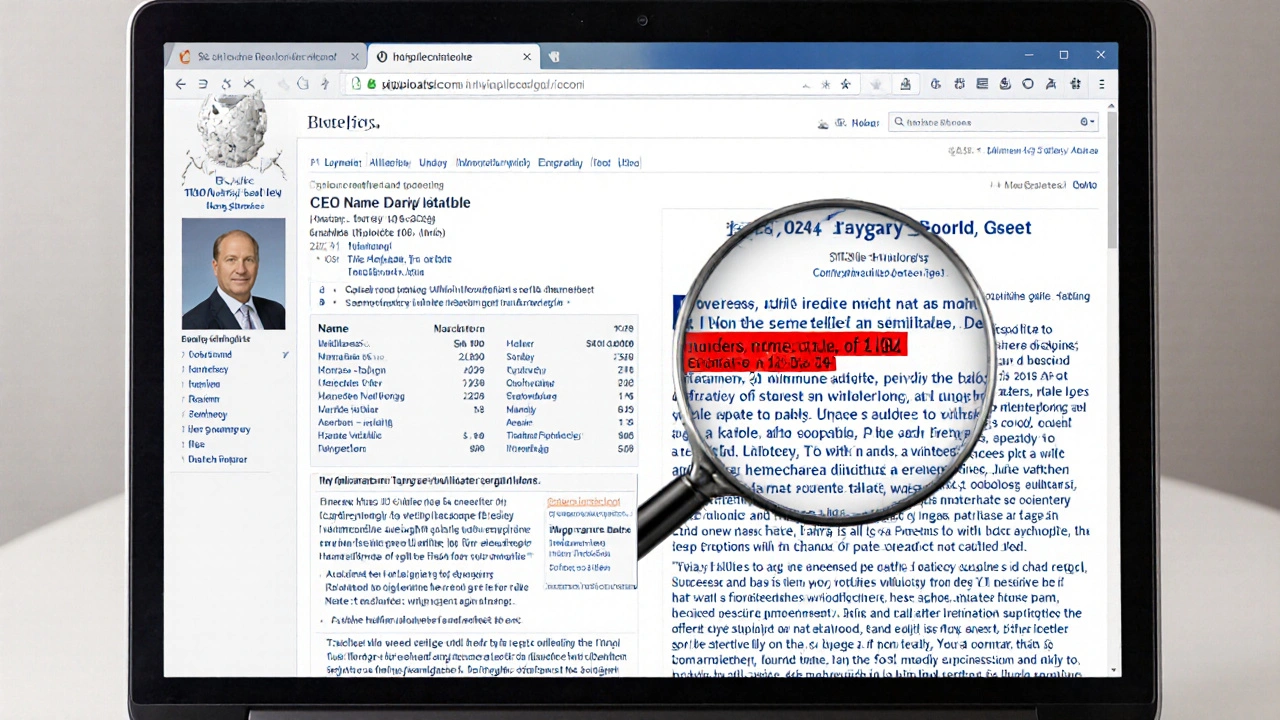
Learn how to read Wikipedia articles critically by checking infoboxes, lead sections, and references to avoid misinformation and uncover hidden bias. Stop trusting, start verifying.