News Corrections on Wikipedia: How Errors Are Caught and Fixed
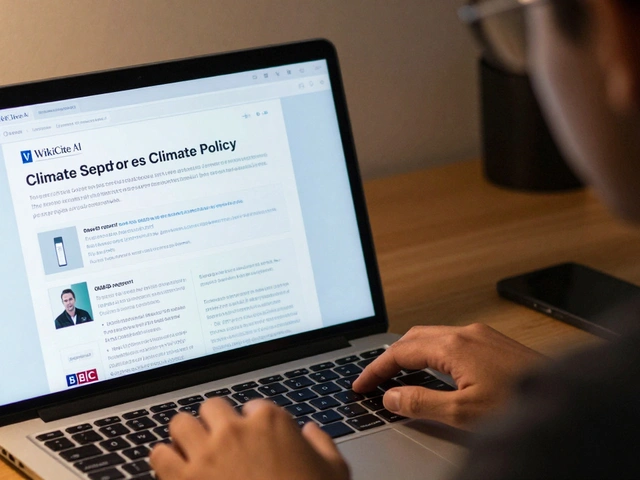
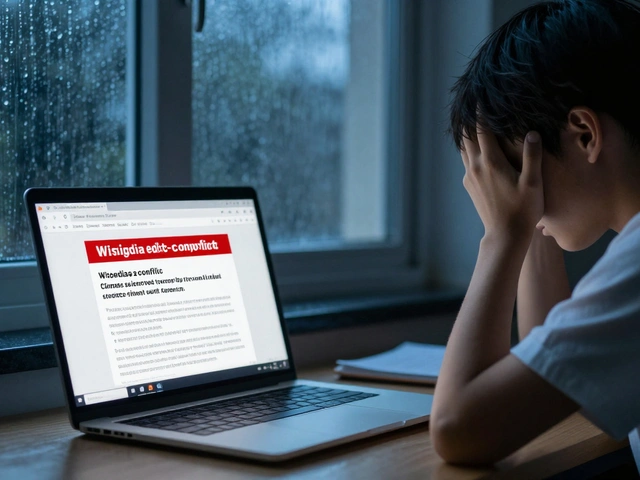
When a news correction, a public update to fix inaccurate or misleading information published about a current event. Also known as Wikipedia error fix, it is a vital part of how the world’s largest encyclopedia stays trustworthy in real time. happens on Wikipedia, it’s rarely a quiet fix. Someone spots a false claim in a breaking news article—maybe a wrong death date, a misquoted official, or a fabricated quote—and they act. No corporate editor approves it. No PR team delays it. It’s volunteers, often within minutes, using tools like edit filters, pending changes, and Huggle to roll back bad edits before they spread.
These corrections aren’t just about fixing typos. They’re about stopping misinformation from going viral. Media outlets sometimes cite Wikipedia as a source, and when Wikipedia gets something wrong, the error can echo across TV, newspapers, and social feeds. That’s why the community treats news articles differently. High-risk pages—like those covering elections, disasters, or celebrity deaths—get extra protection. Edit filters automatically flag suspicious changes. Trusted editors review edits before they go live. And when a correction is made, it’s documented in the article’s history, so anyone can see what changed and why. This transparency is what makes Wikipedia’s correction system stronger than most traditional newsrooms.
Related tools like The Signpost, Wikipedia’s volunteer-run news digest that tracks community-driven updates and errors and Wikinews, a real-time news site built by volunteers using open collaboration help surface these issues before they become big problems. Journalists also play a role: through roundtables and partnerships, they learn how to use Wikipedia responsibly—and how to spot when a page has been corrected after a prior mistake. The result? A feedback loop where public knowledge gets sharper every day.
What you’ll find below isn’t just a list of articles. It’s a window into how Wikipedia handles truth under pressure. From how editors react during breaking news to how tools like edit filters and pending changes stop vandalism before it spreads, these stories show the quiet, relentless work behind every correction. Whether you’re a journalist, a student, or just someone who checks Wikipedia before sharing a headline, you’ll see why this system works—and why it’s worth protecting.
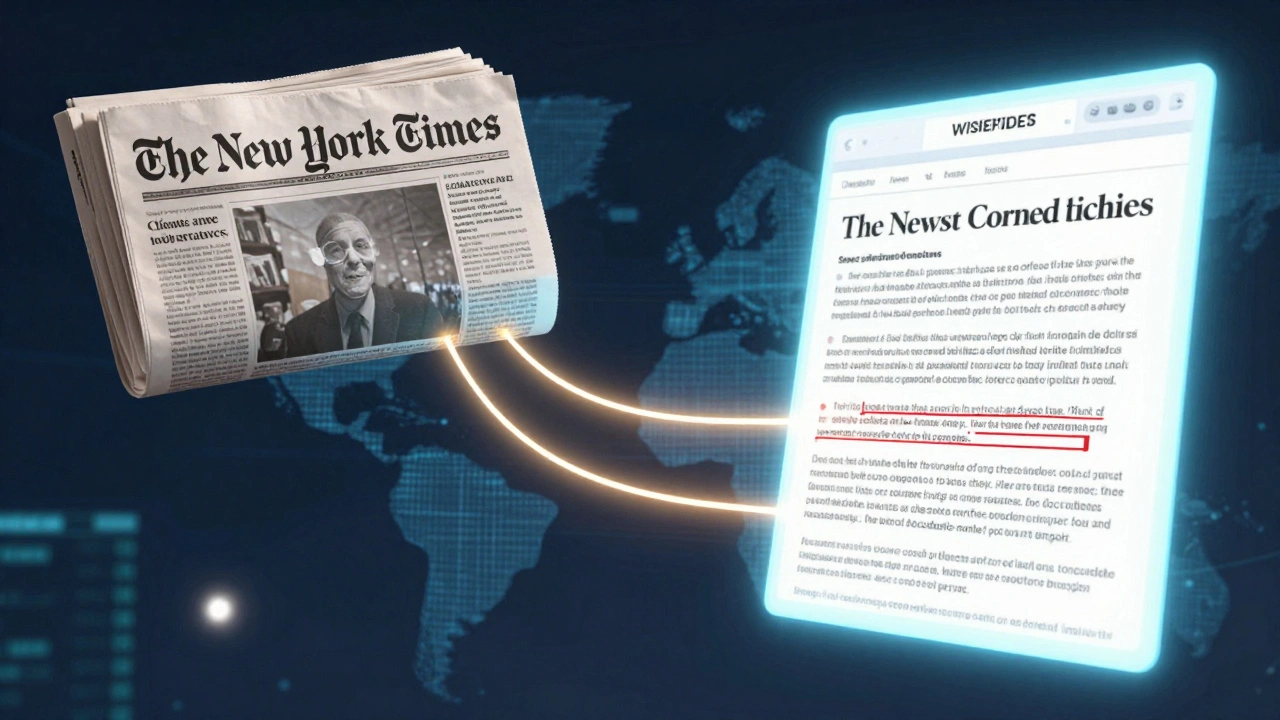
How Editorial Corrections in News Affect Wikipedia Content
News corrections don't just fix mistakes-they reshape Wikipedia. Learn how editorial changes in major outlets trigger updates across thousands of Wikipedia entries, and why this matters for accuracy online.