News Sourcing on Wikipedia
When you read a Wikipedia article, the facts aren’t just pulled from thin air—they’re tied to news sourcing, the practice of using verified, published sources to back up every claim. Also known as reliable sourcing, it’s the backbone of Wikipedia’s credibility. Without it, the encyclopedia would be just another collection of opinions. This isn’t just a rule—it’s what keeps Wikipedia from becoming a playground for rumors, hoaxes, or biased claims. Every edit that adds a new fact, updates a date, or corrects a headline must point to something that’s already been published by a trusted outlet. That could be a newspaper, a peer-reviewed journal, a book from a reputable publisher, or even a verified press release from an official organization.
But not all sources are created equal. preprints, early versions of academic papers not yet reviewed by experts. Also known as unreviewed research, they’re banned on Wikipedia because they haven’t been checked for errors or bias. A study posted online by a university doesn’t count unless it’s later published in a journal. Wikinews, Wikipedia’s own volunteer-run news site. Also known as open news platform, it follows even stricter rules—every story must be based on original reporting from primary sources, not just copied from other news sites. That’s why Wikinews doesn’t just summarize headlines; it interviews sources, checks documents, and publishes updates as events unfold. Editors don’t just link to articles—they trace every fact back to its origin.
And it’s not just about what you use—it’s about how you use it. When journalists quote Wikipedia, they often miss the trail. They see a fact and assume it’s true, but they don’t check the source cited in the Wikipedia footnote. That’s how false claims from old hoaxes end up in major news outlets. One famous case? A fake biography of a dead politician that spread for years because reporters trusted Wikipedia without digging deeper. That’s why Wikipedia teaches media literacy: if you’re using it as a source, you must go beyond it. Find the original article, verify the quote, and ask: Is this published? Is this independent? Is this credible?
Behind the scenes, tools like Huggle and CentralNotice help enforce these standards. Editors use automated systems to flag edits that add unverified claims. Volunteers review every major news event—elections, disasters, scandals—making sure updates are backed by multiple reliable outlets. This isn’t magic. It’s a system built by thousands of people who care more about accuracy than speed. And that’s why, despite all the criticism, Wikipedia remains one of the most trusted sources of information on the planet.
Below, you’ll find real stories from Wikipedia’s front lines: how editors handle breaking news, why academic sources are treated differently than blogs, how small language editions fight bias, and what happens when a press error goes viral. These aren’t theory pieces—they’re case studies from the people who make sure the facts stick.
Legal and Ethical Risks of Copying Wikipedia Text in News Articles
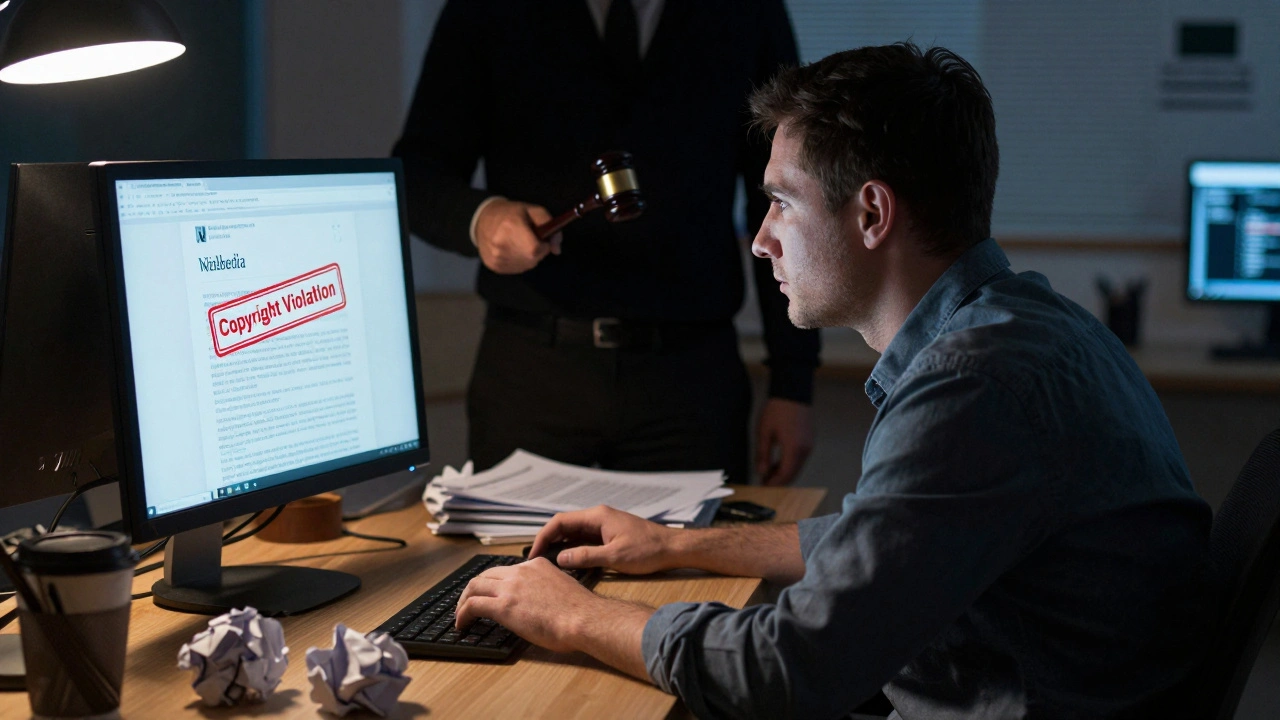
Copying Wikipedia text into news articles may seem harmless, but it carries real legal and ethical risks. Journalists who do this risk copyright violations, loss of credibility, and even lawsuits. Here's how to use Wikipedia safely-and why you shouldn't treat it as a source.
How to Use the Wikipedia Library for Accessing Paywalled Sources in Journalism
The Wikipedia Library gives journalists free, legal access to paywalled academic journals, historical newspapers, and government archives. Learn how to use it without editing Wikipedia or paying fees.