News Workflow on Wikipedia: Tools, Teams, and How Stories Get Updated
When a major event happens—like a political scandal, a celebrity death, or a natural disaster—Wikipedia doesn’t wait for the news cycle to catch up. Its news workflow, a coordinated system of tools, policies, and volunteer efforts that rapidly update articles during breaking events. Also known as real-time editing workflow, it’s what keeps Wikipedia from becoming a historical document and turns it into a living record of what’s happening right now. This isn’t chaos. It’s a well-oiled machine built by thousands of volunteers who know exactly how to respond when the world changes in minutes.
At the heart of this workflow are tools like Huggle, a browser-based tool that helps volunteers spot and revert vandalism in seconds. Also known as vandalism reversion tool, it filters out noise so editors can focus on malicious edits, not harmless typos. Then there’s pending changes, a system that holds edits to high-risk news articles until they’re reviewed by trusted users. Also known as review queue, it stops misinformation from appearing publicly before it’s verified. And behind the scenes, the Wikimedia Campaigns Team, a group that builds tools and training for community organizers running edit-a-thons and news-focused campaigns. Also known as Wikimedia outreach team, they make sure new contributors know how to handle breaking news without breaking policy. These aren’t just features—they’re the backbone of Wikipedia’s ability to stay accurate when it matters most.
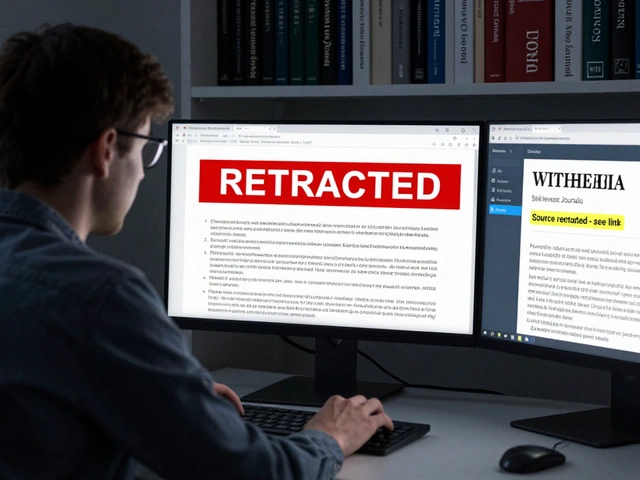
News workflow doesn’t stop at editing. It includes filters that block suspicious edits before they happen, community guidelines that demand reliable sources, and teams that monitor trending articles for signs of manipulation. When a news outlet retracts a story, Wikipedia editors track that correction and update articles within hours. When a hoax spreads online, volunteers use Huggle to squash it before it gains traction. This system works because it’s built for speed, not perfection—and because the people running it care more about truth than fame.
What you’ll find below is a collection of real stories from this workflow: how editors handle flood-level traffic during a film release, how journalists learn to use Wikipedia correctly, how edit filters stop spam bots, and how tools like pending changes protect articles about living people. These aren’t theoretical guides. They’re snapshots of what actually happens when the world changes—and Wikipedia changes with it.
Signpost Production Workflow: From Pitch to Publication
Discover how Signpost turns raw ideas into trusted news stories through a rigorous workflow that prioritizes accuracy over speed. From pitch to publication, every step is designed to build public trust.