Plagiarism Detection on Wikipedia: How the Encyclopedia Keeps Content Original
When you edit a Wikipedia article, you’re expected to write in your own words—plagiarism detection, the process of identifying copied text and uncredited sources on Wikipedia. Also known as text matching, it’s one of the most critical safeguards keeping the encyclopedia trustworthy. Without it, Wikipedia would become a copy-paste graveyard of rewritten press releases, academic papers, and blog posts. The platform doesn’t just rely on editors to be honest—it builds systems that catch dishonesty before it spreads.
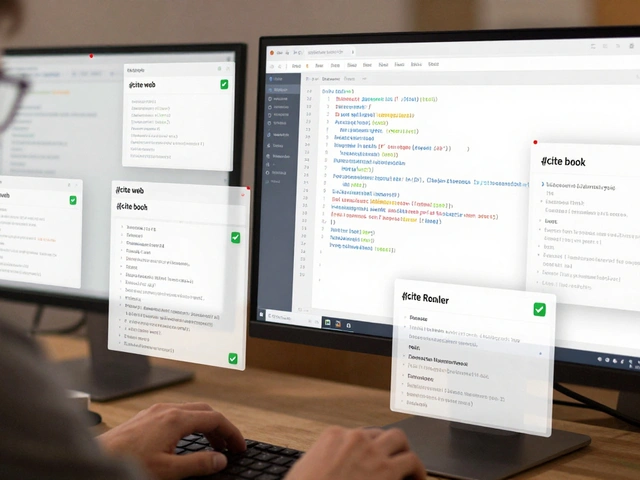
Behind the scenes, Wikipedia sourcing, the requirement that every claim be backed by a published, reliable source acts as the first line of defense. If an editor adds a sentence without a citation, it’s flagged. If they paste text from a website without quotation marks or attribution, bots like CopyVios scan for matches against external databases. These tools don’t just find exact copies—they spot paraphrased chunks that still violate copyright. And when human editors spot suspicious edits, they check the history, compare sources, and often revert the change within minutes.
It’s not just about legal rules. Wikipedia’s culture demands original synthesis. You can’t just rewrite a textbook paragraph and call it an article. You need to understand the material, restructure it, and tie it to multiple sources. That’s why copyright violations, the unauthorized use of protected content that violates intellectual property law are treated as serious breaches, not minor mistakes. Editors who repeatedly copy content risk blocks, even if they’re trying to help. The system rewards those who dig into sources, not those who take shortcuts.
Some of the most common cases come from students, PR teams, or researchers who don’t realize how strict Wikipedia’s standards are. A 2023 study by a group of university librarians found that nearly 40% of new edits from academic accounts contained unattributed text from journal articles. That’s not because they meant to cheat—it’s because they didn’t know Wikipedia doesn’t allow summary-style writing without clear sourcing. The platform doesn’t assume good faith by default; it builds systems to enforce it.
What you’ll find in these articles are real stories of how plagiarism is caught, how tools evolve, and how the community responds when someone crosses the line. You’ll see how bots work alongside volunteers, how editors trace copied text back to its origin, and why even a single uncredited sentence can trigger a full review. This isn’t about policing—it’s about protecting the integrity of knowledge that millions rely on every day.
Copyvio Detection on Wikipedia: Tools, Takedowns, and Rewrites
Learn how Wikipedia detects and handles copied content, the tools used to find violations, how to rewrite flagged text, and how to avoid copyright issues when editing.