Preprints: How Wikipedia and Wikimedia Projects Handle Early Research
When scientists publish their findings before peer review, they’re sharing preprints, early versions of research papers shared publicly before formal journal review. These aren’t final, but they move fast — and Wikipedia editors have to decide whether to use them. Unlike traditional news, Wikipedia doesn’t wait for a paper to be published in a journal. If a preprint is solid, well-sourced, and from a trusted institution, it can be cited — but only with caution. This is where things get tricky. A preprint might claim a breakthrough in medicine or climate science, but without peer review, it could later be retracted, corrected, or proven wrong. That’s why Wikipedia’s rules demand extra scrutiny: the source must be clearly labeled as a preprint, the authors must be credible, and the study must be supported by other evidence where possible.
That’s where Wikidata, a free, structured database that links facts across Wikipedia languages comes in. When a preprint gets cited in a Wikipedia article, Wikidata often picks up the key data — like study results, author names, or publication status — and makes it available in 300+ languages. This helps smaller language editions stay accurate without needing every editor to read the original paper. It also lets tools flag when a preprint has been updated or retracted later. Meanwhile, The Wikipedia Library, a program that gives editors free access to academic journals and databases helps users find peer-reviewed versions of preprints, so they can verify claims before adding them. This isn’t about blocking new science — it’s about making sure Wikipedia doesn’t become a graveyard of false claims.
Wikipedia doesn’t ignore preprints. It just treats them like early drafts. Editors watch for signs of quality: institutional affiliation, data transparency, and whether other researchers are already discussing the findings. A preprint from a major university lab with open code and clear methodology? That’s worth noting. A viral preprint with no peer review, no data, and no author credentials? That gets flagged or removed. The goal isn’t to be the first to report — it’s to be the most reliable. And that’s why you’ll find posts here about how editors handle breaking science, how tools like Huggle spot misleading edits, and how policies evolve to keep up with fast-moving research. Below, you’ll see how real Wikipedia contributors navigate this gray zone — using tools, community rules, and smart sourcing to turn early science into lasting knowledge.
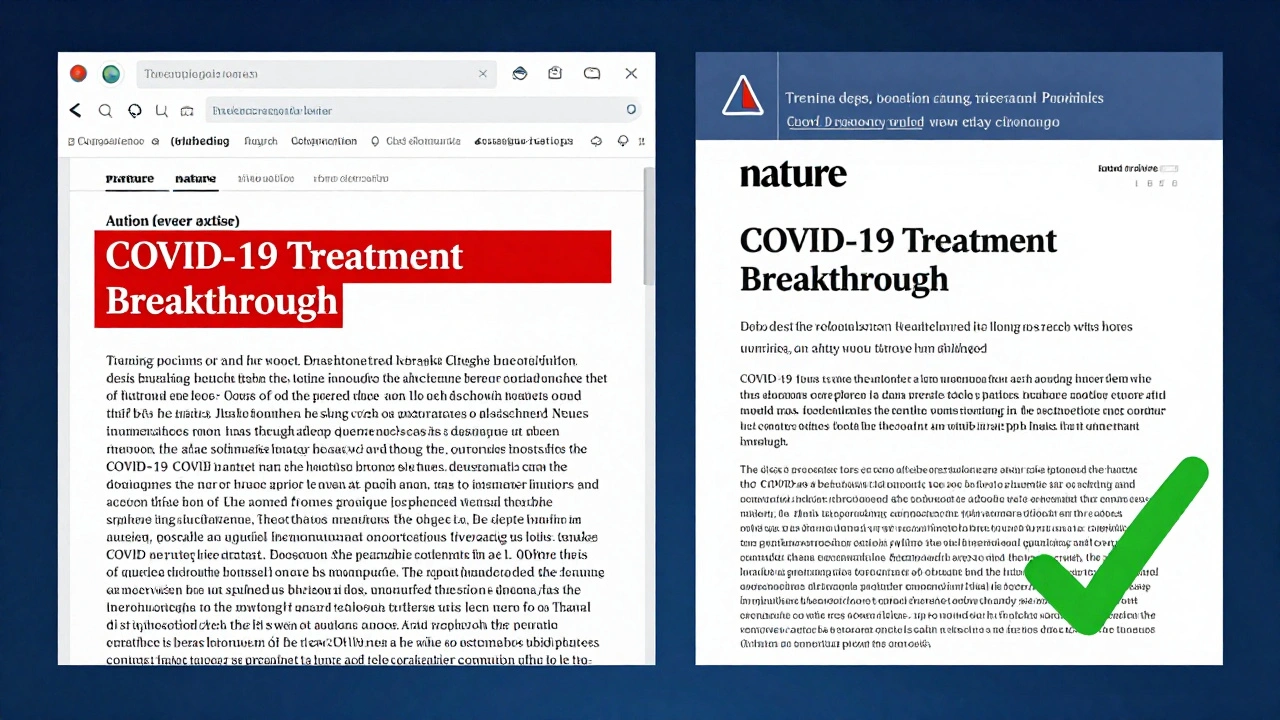
Using Preprints on Wikipedia: Risks and Policy Guidance
Wikipedia bans preprints as sources because they haven't been peer-reviewed. Learn when and why preprints are risky, what reliable sources to use instead, and how to follow Wikipedia's policy correctly.