Professional Bias on Wikipedia: How Expertise Shapes Editing and Accuracy
When someone with a professional bias, a tendency to favor information or perspectives aligned with one’s job, training, or institutional background. Also known as expert bias, it often shows up when doctors, lawyers, academics, or engineers edit Wikipedia articles about their fields. This isn’t always bad. A cardiologist correcting a misstatement about heart disease can make an article more accurate. But when that same doctor downplays alternative treatments because they don’t use them in their practice, or a historian ignores non-Western sources because their training didn’t include them, the result isn’t neutrality—it’s hidden bias. Wikipedia’s conflict of interest policy, a rule requiring editors to disclose personal, financial, or professional ties to topics they edit. Also known as COI, it exists to catch these situations before they distort the encyclopedia. The problem isn’t expertise—it’s unacknowledged expertise. Editors who don’t see their own perspective as a lens are the ones who cause the most damage.
Professional bias shows up in surprising places. A software engineer might overcomplicate a page on artificial intelligence because they’re used to technical jargon. A journalist might push for more citations from mainstream outlets, ignoring local or niche sources that are just as valid. And in areas like medicine or law, where the stakes are high, even small wording changes can mislead readers. That’s why Wikipedia relies on WikiProject assessment guidelines, a system where volunteer editors rate article quality and flag gaps in coverage or perspective. Also known as article quality ratings, they help teams spot when a single expert’s view dominates an article. These reviews don’t remove experts—they invite more voices. A librarian might notice missing public health sources. A teacher might point out that a section assumes too much prior knowledge. A community health worker might add data from a clinic that’s never been cited before. The goal isn’t to silence experts. It’s to make sure no single expert speaks for everyone.
What makes professional bias different from other kinds of bias? It’s often invisible to the person holding it. Someone who’s spent 20 years in a lab might genuinely believe their view is the only valid one. That’s why transparency matters more than credentials. Wikipedia doesn’t care if you’re a professor—it cares if you disclose that you’re a professor writing about your own research. The platform thrives when people say, "I work at this hospital," or "I teach this subject," instead of pretending to be neutral. The best edits come not from silence, but from honesty. Below, you’ll find real examples of how Wikipedia handles this tension—from the quiet corrections made by educators to the high-stakes debates over medical accuracy. These aren’t theoretical debates. They’re daily choices that shape what millions of people believe is true.
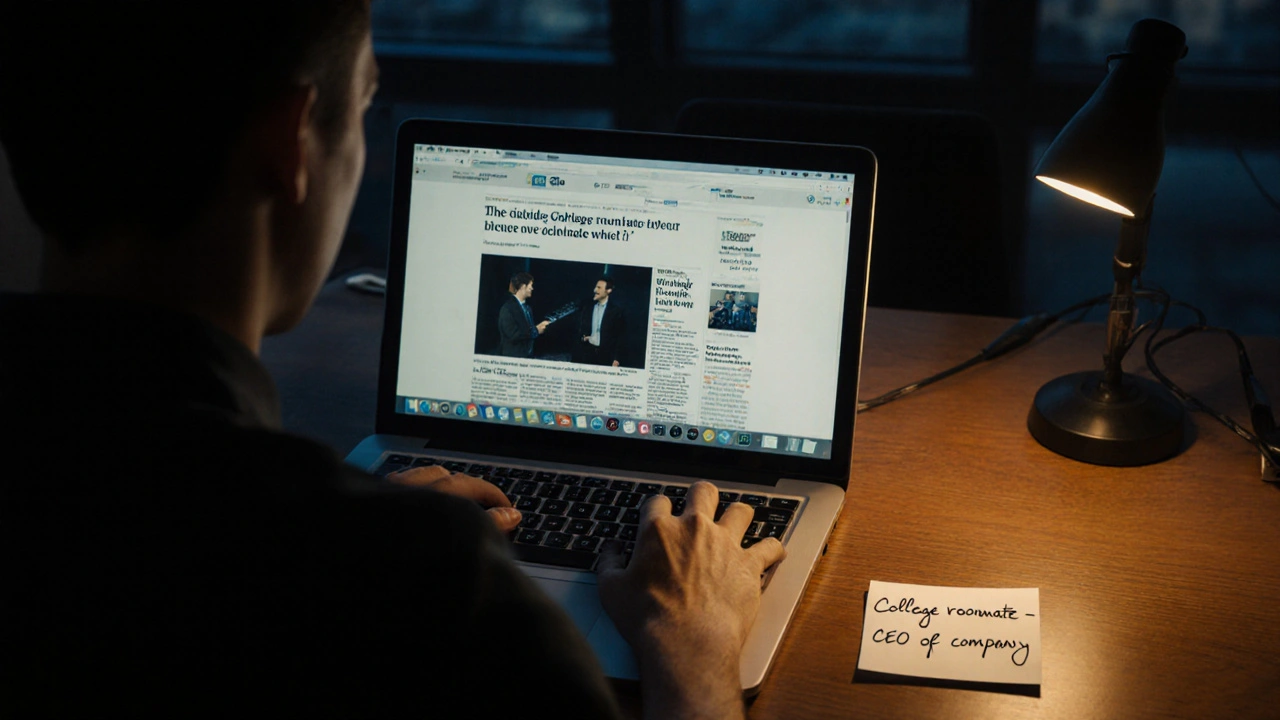
Conflict of Interest Policy: How Editors Stay Neutral When Personal Ties Clash With Professional Duty
Conflict of interest policies in journalism ensure editors don’t let personal ties affect their reporting. Learn how these rules evolved, what they cover today, and why transparency matters more than ever.