Professors Wikipedia: How Academics Shape and Use the Encyclopedia
When you think of professors Wikipedia, academic experts who edit, cite, or teach using Wikipedia. Also known as Wikipedia academics, they’re not just users — they’re active contributors shaping what millions learn every day. These aren’t just professors who assign Wikipedia as a starting point. Many are the ones fixing errors, adding citations from peer-reviewed journals, and even helping draft policy on what counts as a reliable source. They’re the quiet force behind Wikipedia’s credibility in classrooms and research labs.
Wikipedia’s reliable sources policy, the guideline that determines which publications can be cited is heavily influenced by professors. They push back against using preprints, blogs, or unverified press releases — insisting on peer-reviewed journals, university presses, and official reports. That’s why the Wikipedia Library, a program giving editors free access to paywalled academic databases exists. It wasn’t created by tech teams alone. It was demanded by professors who saw students citing Wikipedia but couldn’t access the original studies behind it. Now, thousands of editors use it to turn vague claims into well-sourced paragraphs.
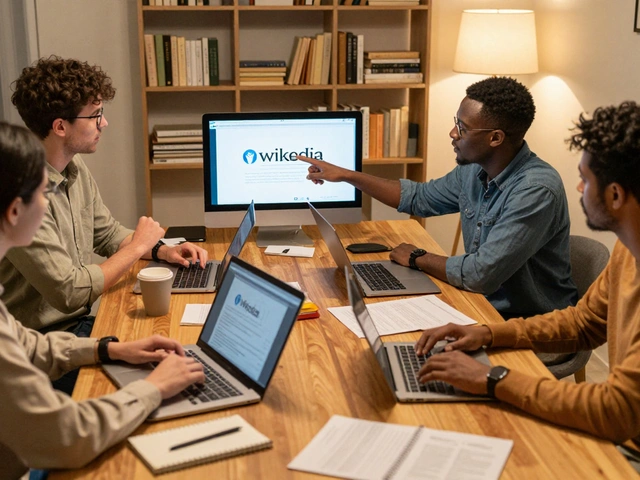
Professors also help fix gaps. When a university historian notices that their region’s cultural history is missing or misrepresented on Wikipedia, they don’t just complain. They organize edit-a-thons, train grad students, and bring in archival material. That’s how GLAM-Wiki partnerships — connecting museums, libraries, and archives, cultural institutions that share content with Wikipedia — grew from niche projects into global movements. These aren’t charity efforts. They’re knowledge corrections. And they’re happening because professors realized Wikipedia isn’t just a tool for students — it’s a public record that needs their expertise.
But it’s not all smooth. Some professors still warn students not to cite Wikipedia at all. That’s changing. More universities now teach how to use Wikipedia responsibly — how to trace a claim back to its original source, how to spot vandalism, and how to contribute meaningfully. The The Signpost, Wikipedia’s volunteer-run news site for editors regularly covers professor-led initiatives, from curriculum changes to policy debates. You’ll find stories here about professors who helped rewrite entire sections on climate science, medical guidelines, or colonial history — not because they had to, but because they cared.
What you’ll find in this collection isn’t just a list of articles. It’s a map of how academia and open knowledge intersect. From how professors use Wikipedia Library to access journals, to how they influence editor elections and content policies, these stories show the real people behind the edits. Whether you’re a student, a researcher, or just someone who uses Wikipedia to understand the world, you’re already part of this system. The question isn’t whether professors belong on Wikipedia. It’s how you’ll use their work — and maybe even join them.
Wikipedia Education Program for Teachers and Professors
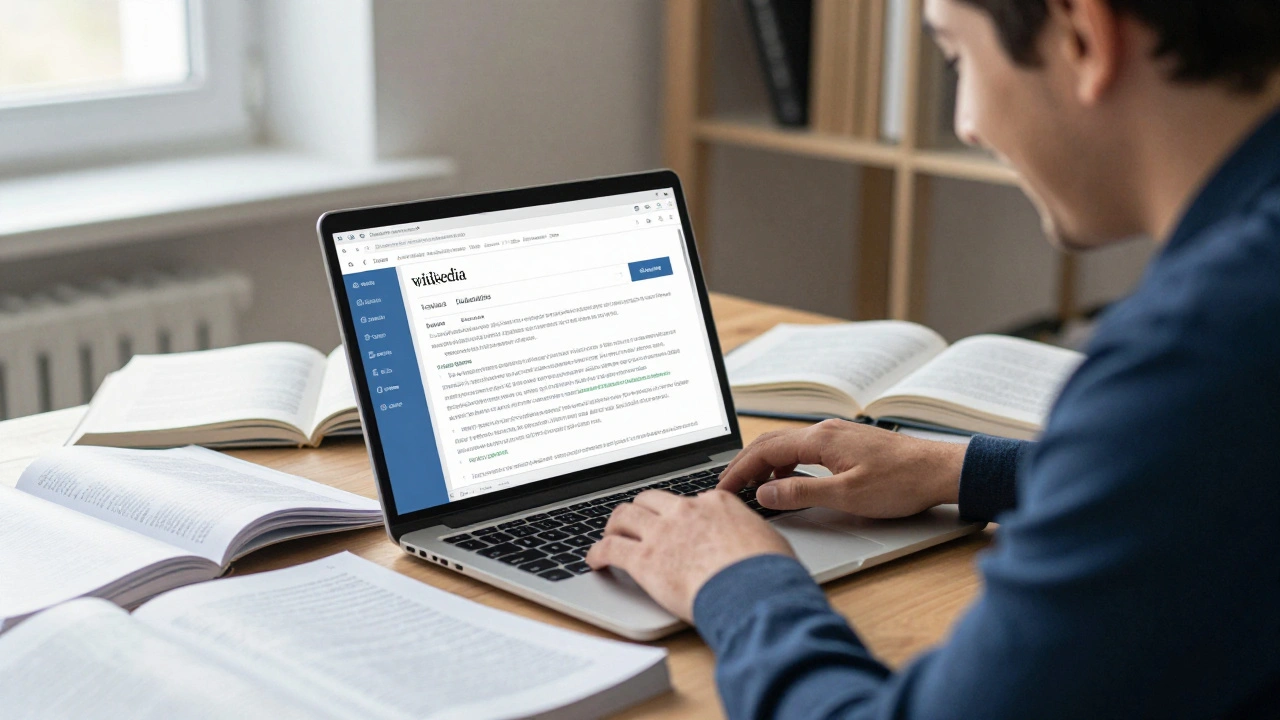
The Wikipedia Education Program helps teachers and professors turn student research into real public knowledge. Students improve Wikipedia articles with academic sources, gaining critical skills while contributing to a global resource used by millions.