Recognition Wikipedia: How Contributors Get Acknowledged in the Wikimedia Community
When you think of Wikipedia, you might picture a silent library of facts—but behind every article is a person. Recognition Wikipedia, the system of informal and formal ways the Wikimedia community thanks its volunteers. Also known as editor appreciation, it’s not about badges or paychecks—it’s about belonging, validation, and keeping people coming back to fix typos, fight vandalism, and write about obscure history topics no one else cares about. This isn’t corporate HR. There’s no annual review. Instead, recognition happens in talk page comments, through barnstars handed out like candy, and in The Signpost’s monthly shout-outs. It’s messy, human, and deeply personal.
Recognition Wikipedia isn’t just about saying thanks. It’s tied to how the community stays healthy. Wikipedia contributors, volunteers who edit, review, and defend articles without pay burn out fast if they feel invisible. Studies from the Wikimedia Foundation show that editors who receive even a simple thank-you are 40% more likely to keep editing six months later. And it’s not just about quantity—it’s about quality. A well-placed note on a new editor’s talk page after their first citation fix means more than a thousand automated bots saying "Good job." Wikimedia community, the global network of volunteers who build, defend, and improve Wikipedia thrives on trust, not algorithms. When someone takes time to notice your work, it tells you: you matter here.
Some recognition is public. The editor appreciation, the informal culture of thanking contributors through messages, awards, and community rituals includes things like the Barnstar awards—handmade, user-created honors given for everything from fixing spam to writing a 10,000-word article on a niche topic. Others are quiet: a senior editor linking to your edit in a policy discussion, or a mentor adding you to a WikiProject team. These moments build identity. They turn strangers into collaborators. And they’re why Wikipedia doesn’t collapse under its own scale.
But recognition isn’t perfect. It’s uneven. Most thanks go to editors in North America and Europe. Contributors from underrepresented regions rarely get noticed, even when they’re adding critical knowledge about local history, medicine, or culture. And while bots can detect vandalism, they can’t detect loneliness. The system needs more intentionality—not more automation. That’s why the posts below cover everything from how edit-a-thons help new editors feel welcome, to how The Signpost highlights quiet heroes, to how WikiProjects create peer recognition networks. You’ll find guides on how to give meaningful thanks, how to spot when someone needs encouragement, and why recognizing diversity in contributors isn’t just nice—it’s necessary for Wikipedia to survive.
Why People Edit Wikipedia: Altruism, Expertise, and Recognition
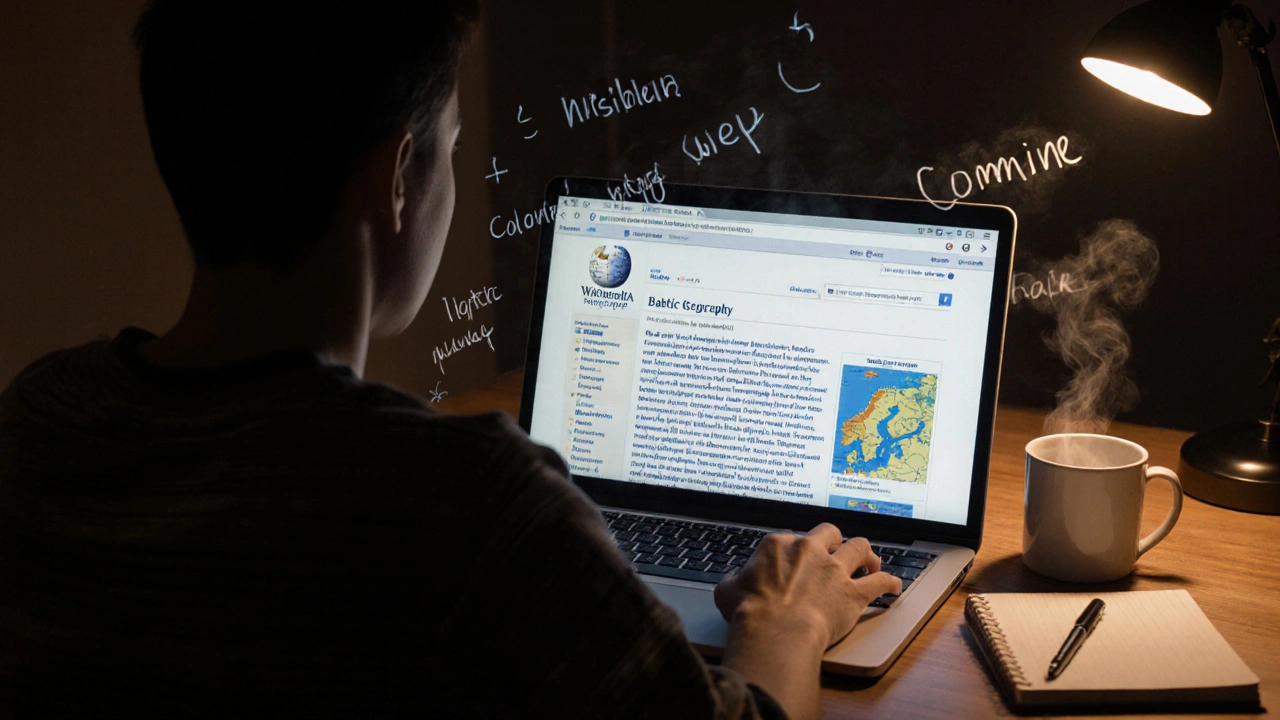
Wikipedia is built by volunteers motivated by altruism, expertise, and recognition. Learn why millions edit without pay, how expertise shapes accuracy, and how community recognition keeps the platform alive.