Student Contributions on Wikipedia: How Classrooms Shape Free Knowledge
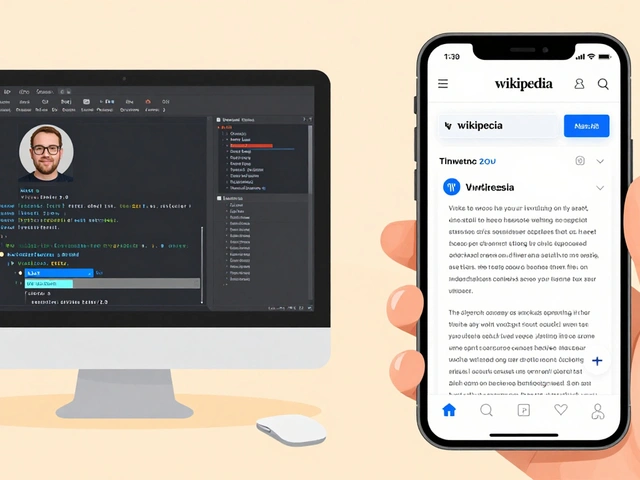
When students edit student contributions, real research done by learners that improves public knowledge on Wikipedia. Also known as Wikipedia classroom assignments, these edits aren’t just homework—they’re public service. Every year, tens of thousands of students worldwide update Wikipedia articles using academic sources, fixing errors, adding citations, and filling gaps in coverage. Unlike fake term papers that gather dust, these edits live on for millions to see.
This isn’t random editing. It’s guided by the Wikipedia education program, a structured initiative that helps teachers integrate Wikipedia into their curriculum. Professors don’t just assign a paper—they assign a living article that can be improved, debated, and updated. Students learn how to cite properly, spot unreliable sources, and write for a global audience. The result? Better articles and better students. And it works: those who start with a classroom edit are far more likely to stick around as long-term editors. Mentorship plays a big role here. New editors who get help from experienced Wikipedians are less likely to quit. That’s why coaching programs tied to universities have such high retention rates.
These contributions don’t just help Wikipedia—they help the world. A student writing about local history, a biology class updating disease data, a sociology group adding underrepresented voices—each edit adds depth to public knowledge. And when news outlets or researchers use those articles, they’re relying on work done by real students, not bots or paid editors. The system isn’t perfect. Some edits get reverted. Some sources get flagged. But that’s part of the learning. Wikipedia’s edit history shows every change, so students see how knowledge is built, challenged, and refined. It’s hands-on fact-checking at scale.
What you’ll find below are real stories and tools behind this movement: how teachers run these programs, what tools help students succeed, how edits get approved, and why this model is one of the most effective ways to teach critical thinking in the digital age.
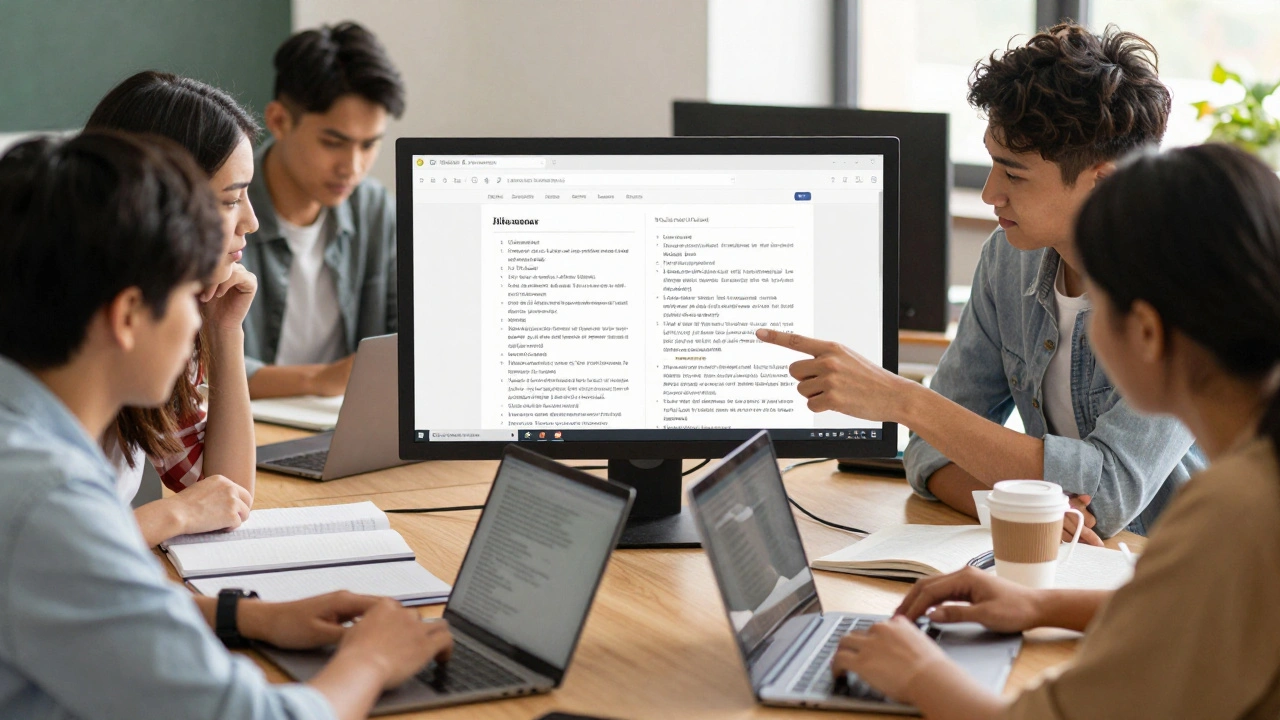
WikiProject Students: Classroom Editing Within Wikipedia Guidelines
WikiProject Students helps educators integrate Wikipedia editing into coursework, teaching research, writing, and digital responsibility. Students improve real articles used by millions, following strict editorial guidelines. The program has led to thousands of lasting, high-quality contributions worldwide.
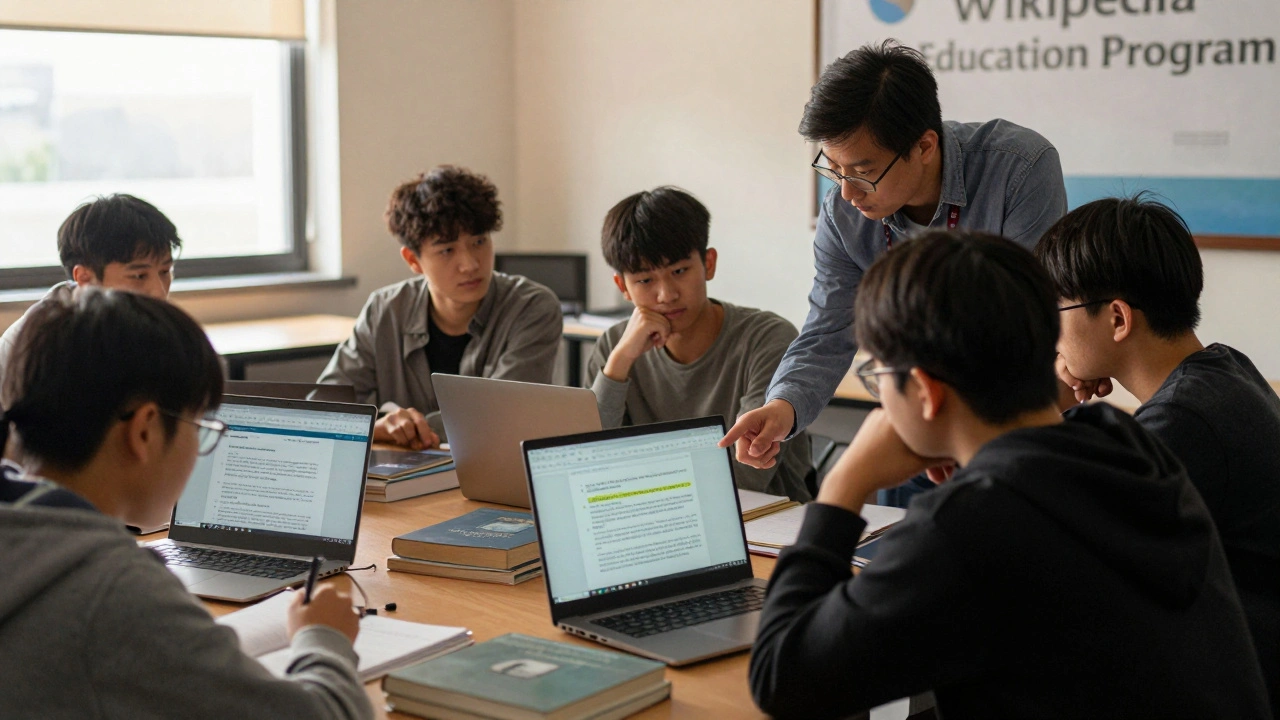
Ethics of Editing Wikipedia as Part of Academic Coursework
Students editing Wikipedia for class must follow strict ethical rules to avoid plagiarism, bias, and misinformation. Learn how to contribute responsibly with reliable sources and neutral language.