Verify News: How Wikipedia Ensures Accurate Information
When you verify news on Wikipedia, you’re not just checking a fact—you’re participating in a global system built to catch lies before they spread. This isn’t magic. It’s a mix of human judgment, clear rules, and tools designed by volunteers who refuse to let misinformation win. Wikipedia sourcing, the requirement that every claim be backed by a published, reliable source. Also known as verifiability, it’s the bedrock of everything Wikipedia stands for. Without it, Wikipedia would just be another website full of guesses. With it, millions of people trust it for everything from school projects to emergency medical info.
How does this work in practice? Editors don’t just copy headlines. They track down the original report, check the author’s credentials, and ask: Is this outlet known for accuracy? Did they cite data? Was this story retracted? Tools like the SIFT method, a four-step process to evaluate online information: Stop, Investigate the source, Find better coverage, Trace claims to their origin. Also known as fact-checking framework, it is taught in classrooms and used by veteran editors to spot fake stories before they make it into articles. The same tools help you, too. If you’re reading about an election, a health study, or a political scandal, you can use these steps to decide if Wikipedia’s version is solid—or if you need to dig deeper.
And it’s not just about individual edits. Wikipedia’s anti-vandalism bots scan thousands of changes every hour, flagging edits that lack sources or use shady websites. Volunteers review flagged edits within minutes. Editors who repeatedly break the rules get blocked. This isn’t censorship—it’s accountability. When a news outlet gets cited on Wikipedia, it’s under pressure to stay accurate. That’s why major newspapers and academic journals are often the most common sources: they’re held to higher standards. Even AI-generated text gets rejected if it can’t point to a real article, book, or official report.
What you’ll find in the posts below are real stories from the front lines: how librarians teach students to verify news using Wikipedia talk pages, how editors handle breaking election results with official government data, and how media literacy training helps newcomers avoid common traps. You’ll see how Wikipedia fights misinformation not with ads or algorithms, but with trained humans who care more about truth than clicks.
How to Verify Information During Wikipedia Breaking News Events
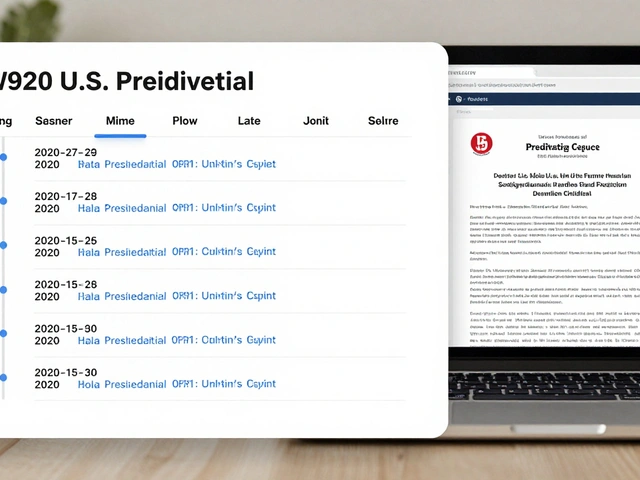
Wikipedia updates faster than any news outlet during breaking events-but not always accurately. Learn how to verify information by checking citations, edit history, and trusted sources to avoid misinformation.