Weekly Wikipedia Stats: Understand Editor Activity, Article Growth, and Community Trends
When you look at weekly Wikipedia stats, a collection of measurable patterns showing how volunteers edit, update, and maintain the encyclopedia each week. Also known as Wikipedia edit metrics, these numbers don’t just track clicks—they show real human effort shaping global knowledge. Every Monday, thousands of editors log in to fix typos, add citations, revert vandalism, or turn a three-line stub into a full article. These aren’t random acts. They’re part of a quiet, daily rhythm that keeps Wikipedia accurate, up-to-date, and alive.
Behind those stats are Wikipedia editor activity, the volume and type of changes made by volunteers across language editions. Some weeks, a major global event like an election or disaster spikes edits in dozens of languages. Other weeks, it’s hundreds of small fixes—correcting a date, adding a reference, fixing a broken link. Then there’s article quality trends, how articles move from stubs to B-Class or A-Class through steady improvements by experienced editors. These aren’t just labels. They reflect whether an article can be trusted for school projects, research, or public understanding. And all of this is shaped by Wikipedia editing patterns, recurring behaviors like edit-a-thons, bot-driven cleanup, or regional outreach efforts that boost participation in underrepresented areas.
What you see in the weekly stats isn’t just numbers—it’s a live map of who’s contributing, where, and why. A spike in edits from Nigeria might mean a new university group started training students. A drop in German-language updates could signal a shortage of volunteer reviewers. The stats show that Wikipedia isn’t maintained by a few experts—it’s held together by thousands of people doing small things, consistently.
You’ll find posts here that break down how these stats translate into real actions: how editors respond during breaking news, how tools like TemplateWizard reduce errors, how bots catch spam before it goes live, and how new contributors are being recruited through local training. These aren’t abstract reports. They’re snapshots of a living system. Whether you’re a student, a librarian, or just someone who uses Wikipedia daily, understanding these stats helps you see not just what’s written—but how it got there.
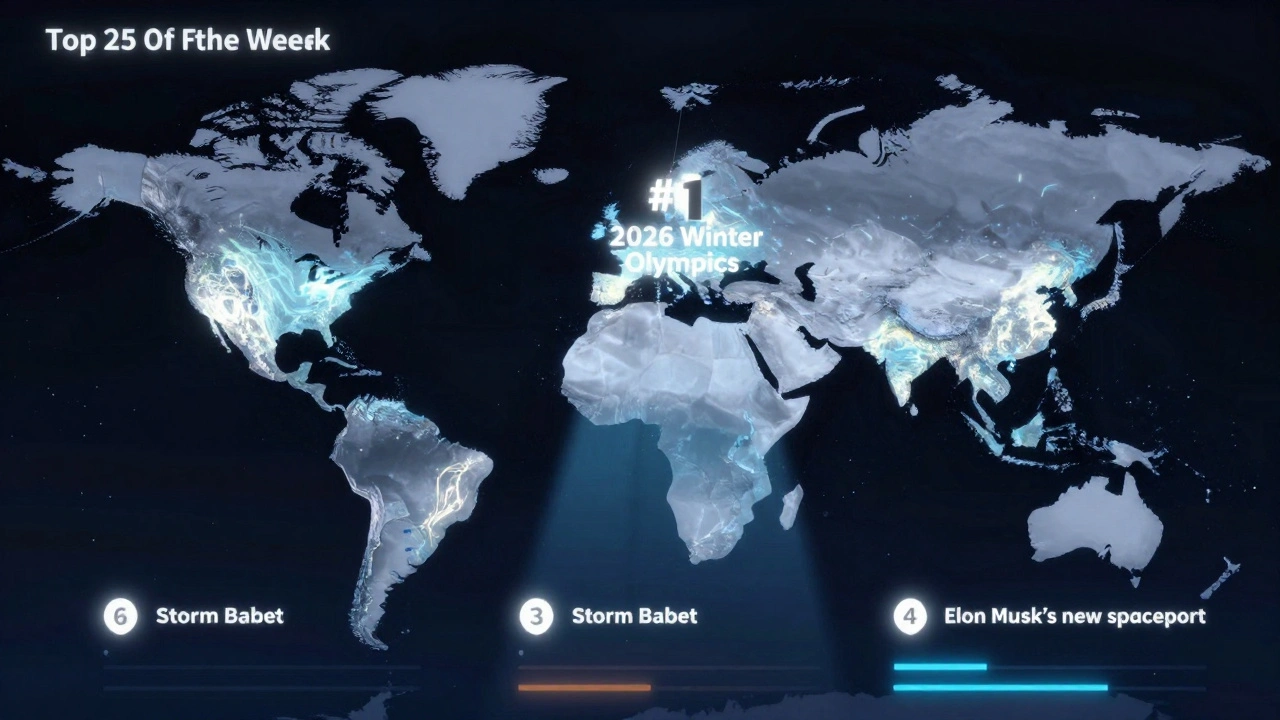
Top 25 Report on Wikipedia: Weekly Traffic Standouts
The Top 25 Report on Wikipedia reveals the most-viewed articles each week, showing what the world is searching for-from global events to niche science. It’s not about popularity, but real-time curiosity.
Most Viewed Wikipedia Articles of the Week: What’s Trending and Why
Discover which Wikipedia articles drew the most views last week and why certain topics spike in traffic. Learn how news, culture, and volunteer editors shape what the world is searching for.