Wikimedia news: Inside the people, tools, and policies shaping free knowledge
When you think of Wikimedia news, the real-time updates, policy debates, and community actions behind Wikipedia and its sister projects. Also known as free knowledge movement news, it's not just about what’s on Wikipedia—it’s about who writes it, how they fix it, and why it matters. This isn’t corporate press releases or flashy headlines. It’s the quiet, persistent work of volunteers updating articles during a global crisis, fixing bias in historical records, or building tools that catch vandalism before it spreads. The Wikimedia Foundation, the nonprofit that supports Wikipedia and its sister projects doesn’t run the site—it funds the infrastructure, defends it legally, and listens to the community. What happens on Wikipedia? The community decides. And that’s where the real news lives.
Behind every edit is a system. Wikidata, a central database that shares facts across 300+ language editions of Wikipedia keeps information consistent. When someone adds the population of a city in German Wikipedia, that same number shows up in Hindi, Swahili, or Bengali—no manual copy-paste needed. Then there’s Wikinews, a volunteer-run news site that reports breaking events with sourced, real-time updates. Unlike traditional outlets, it doesn’t chase clicks. It waits for verification. And when something goes wrong—like a hoax article going viral in the press—The Signpost, Wikipedia’s own community newspaper steps in to explain what happened, how it was fixed, and how to prevent it next time. These aren’t side projects. They’re the backbone of a knowledge ecosystem built by millions, not corporations.
What you’ll find here isn’t fluff. It’s the tools editors use every day—like Huggle to block spam, or the Wikipedia Library to access paywalled research. It’s how policies get made by volunteers, not CEOs. It’s how edit-a-thons in rural Nigeria or Indigenous communities in Canada are slowly fixing decades of geographic bias. It’s why preprints can’t be cited, why IP addresses are hidden, and why administrator elections changed in 2025 to favor experience over popularity. This collection pulls back the curtain on the messy, brilliant, human-driven machine that keeps the world’s largest encyclopedia alive. You’re not just reading about Wikipedia. You’re seeing how it’s built, one edit at a time.
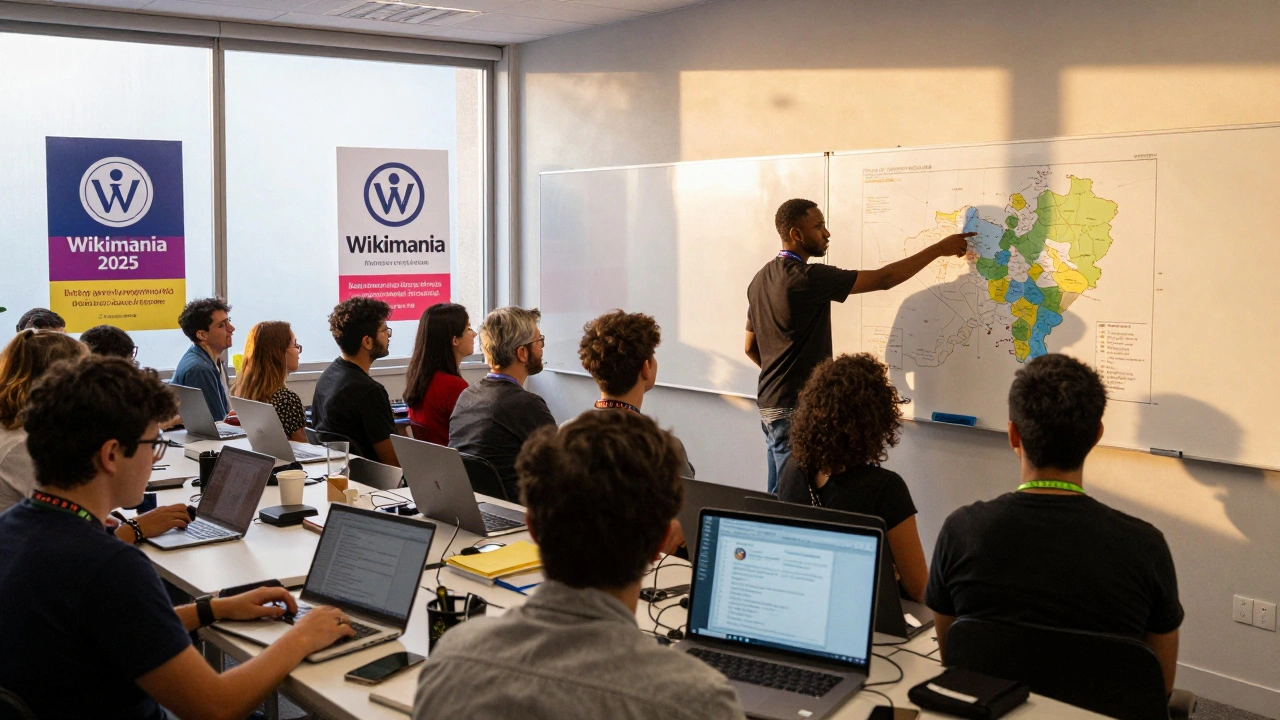
Special Issues of The Signpost: Elections, Wikimania, and More
The Signpost's special issues cover Wikipedia's elections, Wikimania, and major community decisions - offering unmatched insight into how the world's largest encyclopedia really works.

Latest Edition of The Signpost: Key Highlights for Wikipedia Editors
The latest edition of The Signpost highlights key updates for Wikipedia editors, including policy changes, new tools, declining editor numbers, and community stories that keep the encyclopedia alive.