Wikipedia article rating: How quality is measured and why it matters
When you open a Wikipedia article, you might not see it—but Wikipedia article rating, a system used by editors to classify the quality and completeness of articles. Also known as article assessment, it’s how the community tells you whether a page is a stub, a solid overview, or close to encyclopedia-worthy. These ratings aren’t hidden in a menu—they’re on talk pages, visible to anyone who cares to look. And they matter more than you think. A low rating doesn’t mean the info is wrong—it means it’s incomplete, poorly sourced, or needs cleanup. A high rating? That’s the badge of a well-researched, stable article that’s stood up to scrutiny.
Behind every rating is a Wikipedia assessment scales, a set of standardized categories from Stub to Featured Article. Also known as quality classes, these include Stub, Start, C-Class, B-Class, Good Article, and Featured Article. Each level has clear criteria: number of references, depth of coverage, neutrality, structure, and whether it’s been reviewed by other editors. A Featured Article isn’t just long—it’s been through multiple rounds of peer review, has zero copyright issues, and cites reliable sources for every major claim. This isn’t theory. It’s how Wikipedia keeps its most trusted pages from turning into opinion blogs or misinformation traps.
These ratings aren’t just for show. They guide editors on where to focus. If you want to help improve Wikipedia, start with a Stub article flagged as needing citations. If you’re researching something serious, look for the Good or Featured labels—they’re your signal that the content has been vetted. And if you’re curious about how Wikipedia handles bias or gaps? Check the talk page. That’s where editors debate whether an article meets the standard, and why it hasn’t moved up yet. The system isn’t perfect, but it’s transparent, community-driven, and constantly evolving. It’s the quiet engine behind Wikipedia’s credibility.
What you’ll find below are real examples of how this system works—from tools that auto-tag articles, to debates over what counts as "sufficient" sourcing, to how editors handle controversial topics that push rating boundaries. These aren’t abstract rules. They’re the daily work of thousands of volunteers trying to keep the world’s largest encyclopedia accurate, fair, and useful.
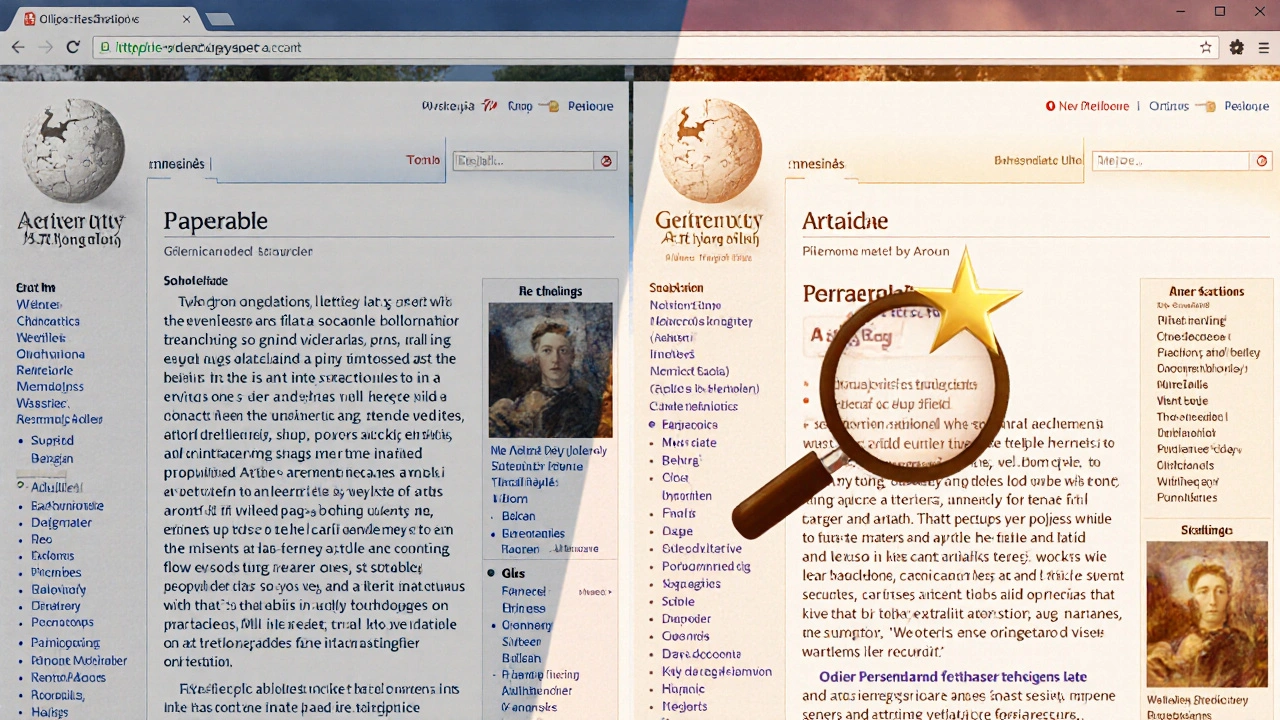
WikiProject Assessment Guidelines: How to Align Your Wikipedia Edits with Official Quality Standards
Learn how Wikipedia's WikiProject assessment guidelines work to improve article quality, meet community standards, and move your edits from stub to featured status.