Wikipedia basics: Understand how the world's largest encyclopedia really works
When you use Wikipedia basics, the foundational rules, tools, and practices that keep Wikipedia running as a free, open, and reliable source of knowledge. Also known as Wikipedia fundamentals, it’s not just about editing articles—it’s about understanding how a global network of volunteers maintains accuracy without a central editor. Most people think Wikipedia is just a website you read. But behind every article is a system built on policies, tools, and human judgment that’s more complex—and more careful—than you realize.
At the heart of Wikipedia editing, the process of adding, correcting, or improving content by registered and anonymous contributors. Also known as contributing to Wikipedia, it’s not a free-for-all. Every edit must follow core rules like Wikipedia policies, formal guidelines that govern neutrality, sourcing, and conduct across all articles. Also known as Wikipedia rules, they’re enforced by volunteers who track conflicts of interest, spam, and biased language. Tools like Wikipedia tools, software and interfaces designed to help editors work faster and avoid mistakes. Also known as Wikipedia utilities, include TemplateWizard for building infoboxes, bots that revert vandalism in seconds, and CirrusSearch that finds information based on structure, not popularity. Without these, the site would collapse under spam, errors, or manipulation.
The Wikipedia community, the global network of editors, administrators, and volunteers who govern, defend, and improve the encyclopedia. Also known as Wikipedians, isn’t made up of experts in every field—it’s made of people who care enough to check sources, fix typos, and debate how to present facts fairly. Librarians, students, journalists, and retirees all play a role. They use talk pages to resolve disputes, signposts to flag weak articles, and Village Pump to propose new rules. This isn’t top-down control. It’s collective responsibility. You don’t need to be a scholar to help. Fixing a broken link, adding a citation from a local newspaper, or correcting a date in an infobox all count. The system rewards small, consistent contributions more than flashy edits.
What you’ll find below isn’t a list of how-to guides—it’s a window into the real machinery behind Wikipedia. From how bots fight spam by the millions, to how editors stay neutral when they’re personally connected to a topic, to how students turn class assignments into public knowledge, these posts show the hidden work that keeps Wikipedia alive. You’ll learn what works, what doesn’t, and why some changes take years to stick. No marketing. No hype. Just the facts, the tools, and the people who make them matter.
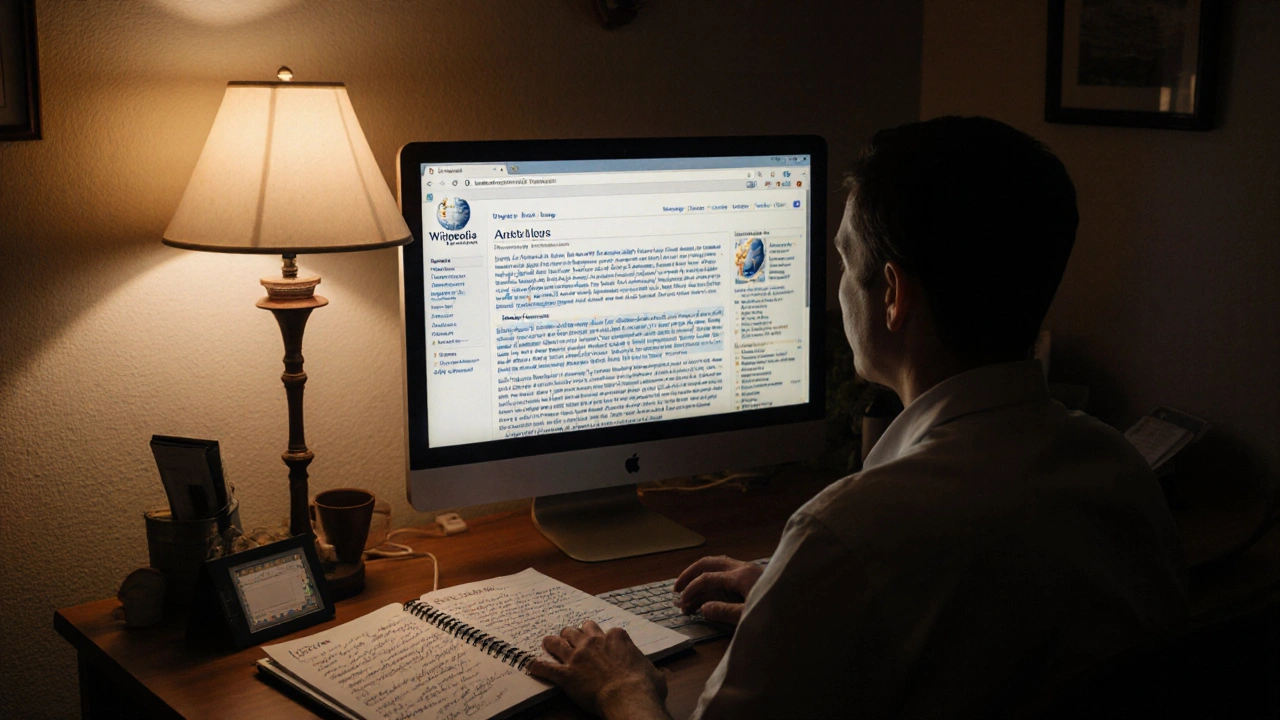
A Beginner’s Guide to Editing Wikipedia Articles Responsibly
Learn how to edit Wikipedia responsibly with practical steps for beginners. Fix typos, cite sources, avoid common mistakes, and contribute to the world's largest encyclopedia without getting blocked.