Wikipedia corrections: How errors are fixed, who does it, and why it matters
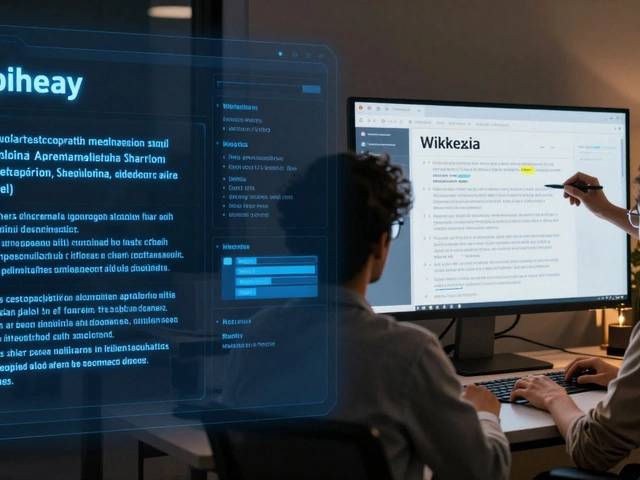
When you see a mistake on Wikipedia, it’s not just fixed—it’s Wikipedia corrections, the continuous, community-driven process of identifying and repairing inaccuracies across millions of articles. Also known as edits, these corrections are the backbone of Wikipedia’s credibility, happening in real time without editors waiting for approval. Unlike traditional encyclopedias, Wikipedia doesn’t wait for a new edition. It fixes itself—every minute, dozens of volunteers roll back vandalism, update outdated stats, add missing citations, and rewrite biased phrasing. This isn’t magic. It’s a system built on transparency, tools, and trust.
Behind every correction is a vandalism reversion, the rapid undoing of malicious or nonsensical edits using automated tools and human judgment. Also known as reverts, this process relies on tools like Huggle to flag spam and bot edits in seconds. But not all errors are obvious. Many are subtle: a misquoted source, a missing date, a cultural bias hidden in wording. That’s where reliable sources, the gold standard for Wikipedia citations, including peer-reviewed journals, books, and trusted news outlets. Also known as verifiable references, they’re the reason corrections stick. A correction without a solid source gets undone. That’s not bureaucracy—it’s protection. And when big stories break—elections, disasters, scandals—editors rush to update articles, following strict rules about what counts as evidence. This isn’t chaos. It’s a quiet, disciplined effort to keep knowledge accurate.
Wikipedia corrections also fix deeper problems: geographic bias, underrepresentation, outdated terminology. A 2023 study showed that articles about African countries are more likely to contain factual errors than those about Western nations—not because they’re ignored, but because fewer editors from those regions have the tools or time to fix them. That’s why initiatives like edit-a-thons and translation tools exist: to bring more voices into the correction process. This isn’t about perfection. It’s about progress. Every correction, big or small, makes Wikipedia a little more honest, a little more complete.
What you’ll find below is a collection of real stories from the front lines of Wikipedia corrections: how tools like Huggle catch spam in milliseconds, how journalists use the Wikipedia Library to trace sources, how policy changes in 2025 made administrator elections more about experience than popularity, and how Wikidata helps keep facts consistent across 300+ language versions. These aren’t abstract ideas. They’re the daily work of people who care enough to fix what’s wrong.
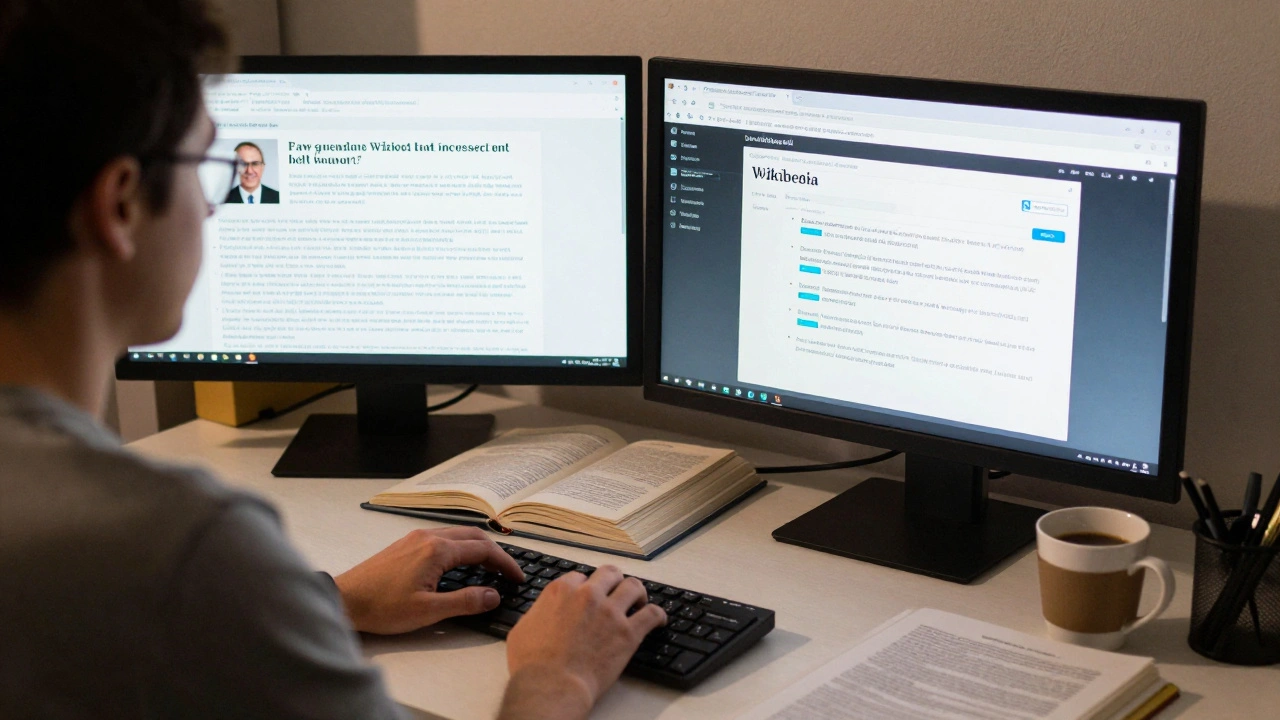
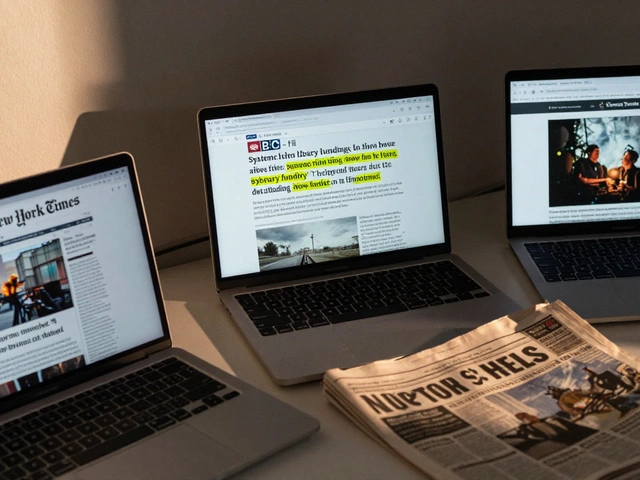
How Wikipedia Corrects Factual Errors in News Coverage
Wikipedia doesn't wait for news outlets to correct their mistakes-volunteers do. Learn how it identifies, debates, and fixes false claims from the media with transparency and source-based editing.
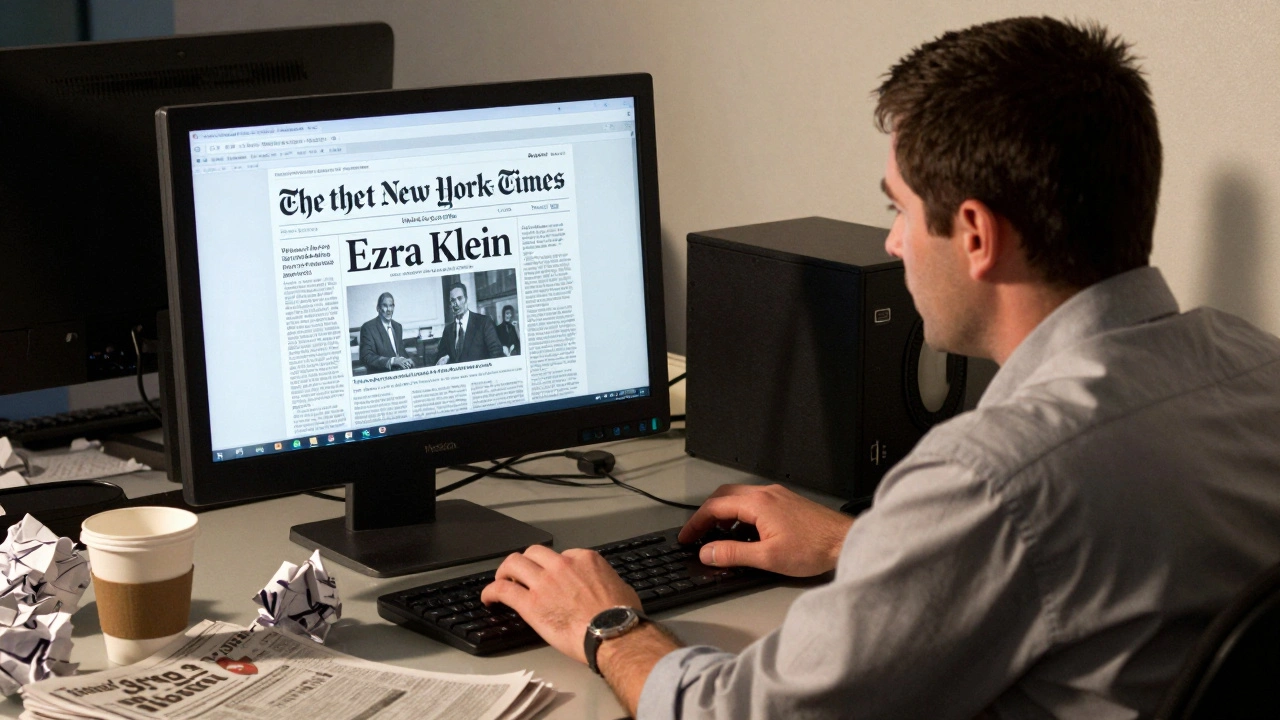
Lessons From Notable Wikipedia Press Errors and Corrections
Wikipedia is often misused by the press as a primary source, leading to major errors. Learn from real cases where media outlets published false claims based on Wikipedia hoaxes-and how to avoid repeating them.