Wikipedia donations: How funding keeps free knowledge alive
When you give money to Wikipedia donations, financial contributions that sustain the world’s largest free encyclopedia without ads or subscriptions. Also known as Wikimedia fundraising, these donations power everything from server costs to editor tools—no corporate sponsors, no paywalls, just public support. Unlike other sites that sell your data or show ads, Wikipedia survives because millions of people chip in a few dollars each year. It’s not a business. It’s a community project, and donations are the oxygen that keeps it breathing.
Behind every edit, every article, and every tool on Wikipedia is a quiet infrastructure built on Wikimedia Foundation, the nonprofit that manages Wikipedia’s servers, legal defense, and technology projects. This group doesn’t run the encyclopedia—that’s done by volunteers—but it handles the heavy lifting: keeping servers online, fighting lawsuits, building tools like Huggle and CentralNotice, and supporting global edit-a-thons. Without donations, none of that happens. And it’s not just about money—it’s about trust. Donors know their contributions go directly to maintaining a neutral, ad-free space for knowledge.
People often ask, "Why should I donate if I never edit?" The answer is simple: you use it. Every time you look up a fact, check a date, or read about a recent event, you’re relying on a system built and maintained by volunteers—and funded by people like you. donor support, the collective backing from individuals that enables Wikipedia’s operations and growth lets editors focus on writing, not fundraising. It lets the platform stay independent from governments, corporations, and algorithms. It lets someone in rural Kenya or a high school student in Brazil access the same reliable info as a professor in Oxford.
Wikipedia doesn’t just exist because it’s useful—it exists because people believe in it enough to pay for it. And that’s rare. Most online services chase clicks and ads. Wikipedia chases accuracy. Donations make that possible. The tools you see in the posts below—like edit filters, CentralNotice banners, and WikiProject worklists—are all made possible by that same funding. So when you read about how editors manage high-risk news articles or how GLAM-Wiki projects preserve cultural heritage, remember: none of it happens without the quiet, steady flow of donations from people who care about free knowledge.
What follows is a collection of stories about how Wikipedia works behind the scenes—the people, the tools, the policies—all made real by the same funding that keeps the site up and running. You’ll see how donations enable mentorship programs, protect privacy, and power tools that fight misinformation. It’s not glamorous. But it’s essential.
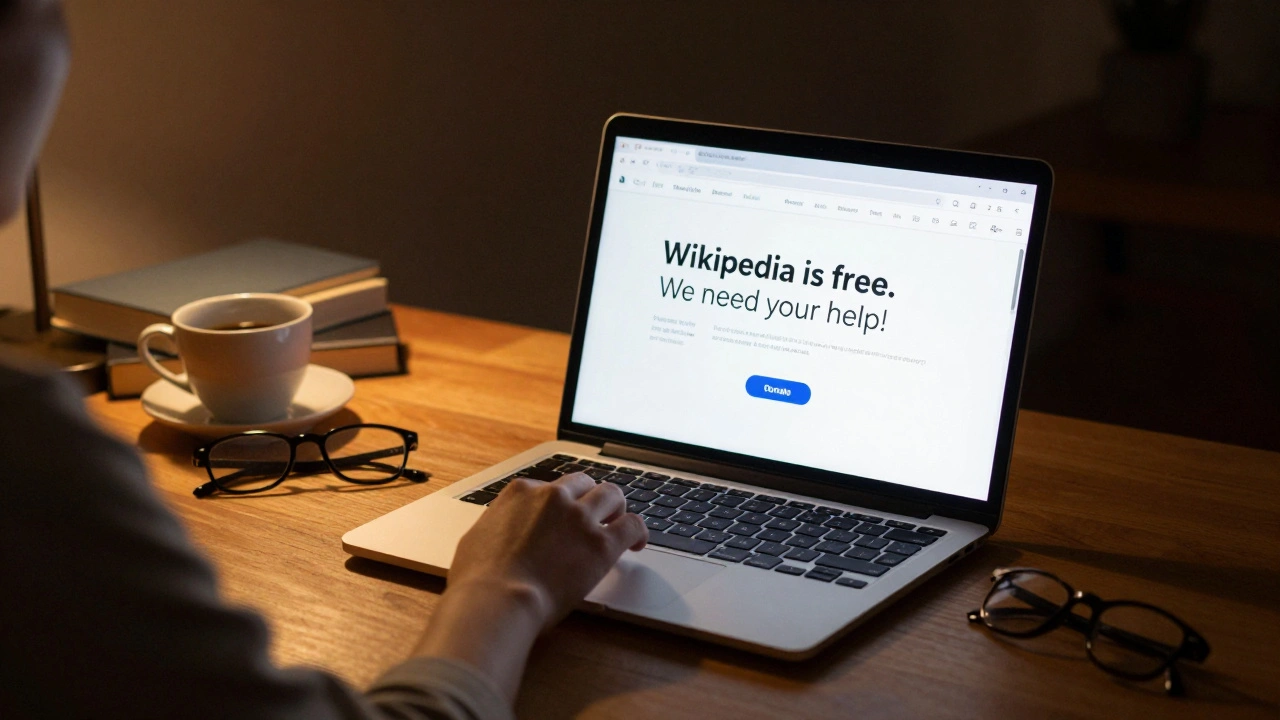
How Wikimedia Raises Money to Keep Wikipedia Free and Online
Wikipedia stays free thanks to millions of small donations. Learn how Wikimedia raises money, where it goes, and why this model works better than ads or subscriptions.