Wikipedia editor guide: Tools, rules, and tips for responsible editing
When you edit Wikipedia, you're not just fixing a typo—you're helping build the world's largest free encyclopedia. This Wikipedia editor guide, a practical framework for contributing to Wikipedia with accuracy, fairness, and respect for community norms. Also known as Wikipedia contribution guidelines, it's what keeps the site reliable when millions edit daily. Whether you're a student, librarian, or just someone who noticed a mistake, this guide shows you how to contribute without getting blocked or ignored.
Successful editing isn’t about how much you change—it’s about how well you follow the rules. The Wikipedia talk pages, the discussion spaces where editors debate changes, resolve conflicts, and build consensus before editing articles. Also known as article talk pages, they’re where real collaboration happens. Want to add a fact? Don’t just edit. Start a conversation there. Want to fix a misleading headline? Use the edit review, the process of checking recent changes using Wikipedia’s diff and history tools to spot errors, vandalism, or bias. Also known as revision comparison, it’s how volunteers keep the site clean. You don’t need to be an expert. You just need to know where to look and how to ask.
Wikipedia’s Wikipedia policies, formal rules that govern editing behavior, including neutrality, verifiability, and conflict of interest disclosure. Also known as Wikipedia guidelines, they’re not suggestions—they’re the foundation of trust. If you edit a company page, you must say so. If you cite a source, it must be real. If you disagree with someone, you discuss it—not fight it. These rules aren’t there to stop you. They’re there to make sure your edits matter.
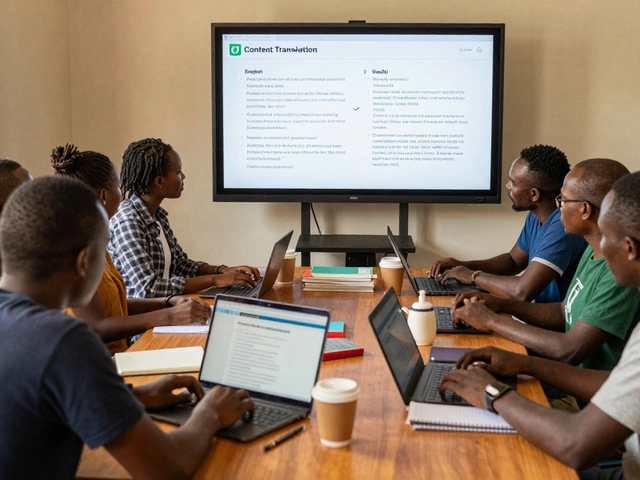
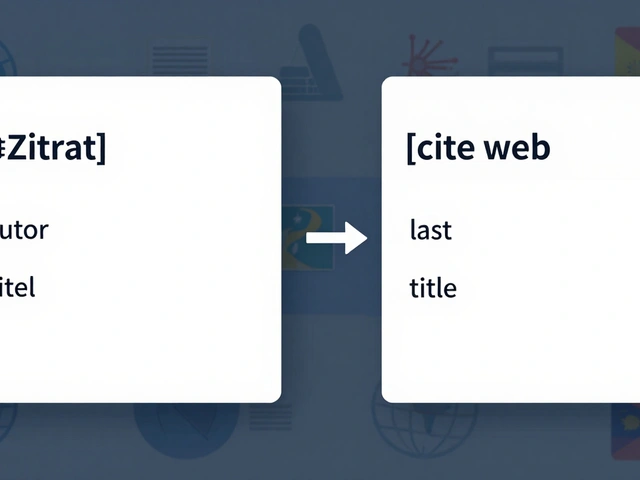
You’ll find posts here that show you how to use tools like TemplateWizard to avoid syntax errors, how to spot spam with automated filters, and how mobile editing lets you fix mistakes on the go. You’ll see how librarians and students help shape content, how A/B tests improve the interface without changing the facts, and how editors handle geopolitical disputes with evidence, not emotion. Whether you’re checking citations, reviewing diffs, or writing your first talk page comment, the path is clear: edit with care, cite your sources, and talk before you change.
This isn’t a manual for perfection. It’s a map for participation. You don’t need to know everything. You just need to start smart.
Wikipedia's Coverage of Political Elections Worldwide: Editor Guide
Learn how Wikipedia editors verify and update political election results worldwide using official sources, avoid bias, and maintain accuracy during high-stakes voting periods.