Wikipedia election editing: How community votes shape what you read
When you think of Wikipedia, you probably picture someone fixing a typo or adding a citation. But behind the scenes, Wikipedia election editing, the process where volunteers vote on policy changes, editor bans, and content rules. Also known as community voting, it’s how Wikipedia decides who gets to edit, what counts as reliable, and when a topic is too controversial to stay neutral. These aren’t elections like you’d see in a country—they’re quiet, text-heavy, and sometimes heated debates that happen on wiki pages, not ballots. But they decide more than you realize: whether a journalist gets blocked for pushing a story, if a company can edit its own page, or if a historical event gets framed one way or another.
It all ties back to Wikipedia governance, the system of rules and volunteer-led decisions that keep the encyclopedia running without a central boss. No one at the Wikimedia Foundation makes these calls. Instead, editors raise proposals on the Village Pump, argue them out over weeks, and then vote. These votes can be about anything—from banning sockpuppet accounts to changing how citations are handled. The process is messy, slow, and full of edge cases, but it’s designed to prevent any one person or group from controlling the narrative. That’s why community voting, the method editors use to reach consensus on major decisions. is so critical. It’s not about popularity—it’s about evidence, precedent, and whether the community trusts the outcome.
And it’s not just about blocking bad actors. Election editing also shapes what knowledge gets preserved. When a region loses its local newspapers, Wikipedia becomes the only public record. That’s when votes on notability, sourcing, and neutrality become life-or-death for how history is remembered. These decisions don’t happen in boardrooms. They happen in talk pages, in edit summaries, and in long threads where someone finally says, "I’ve been editing this for ten years, and this is what I’ve seen." That’s the real power of Wikipedia election editing—it turns everyday contributors into guardians of collective memory.
Below, you’ll find real stories and tools from editors who’ve lived through these votes—how they won, how they lost, and what they learned. Whether you’re new to Wikipedia or you’ve been editing for years, these posts show you how the system actually works when no one’s watching.
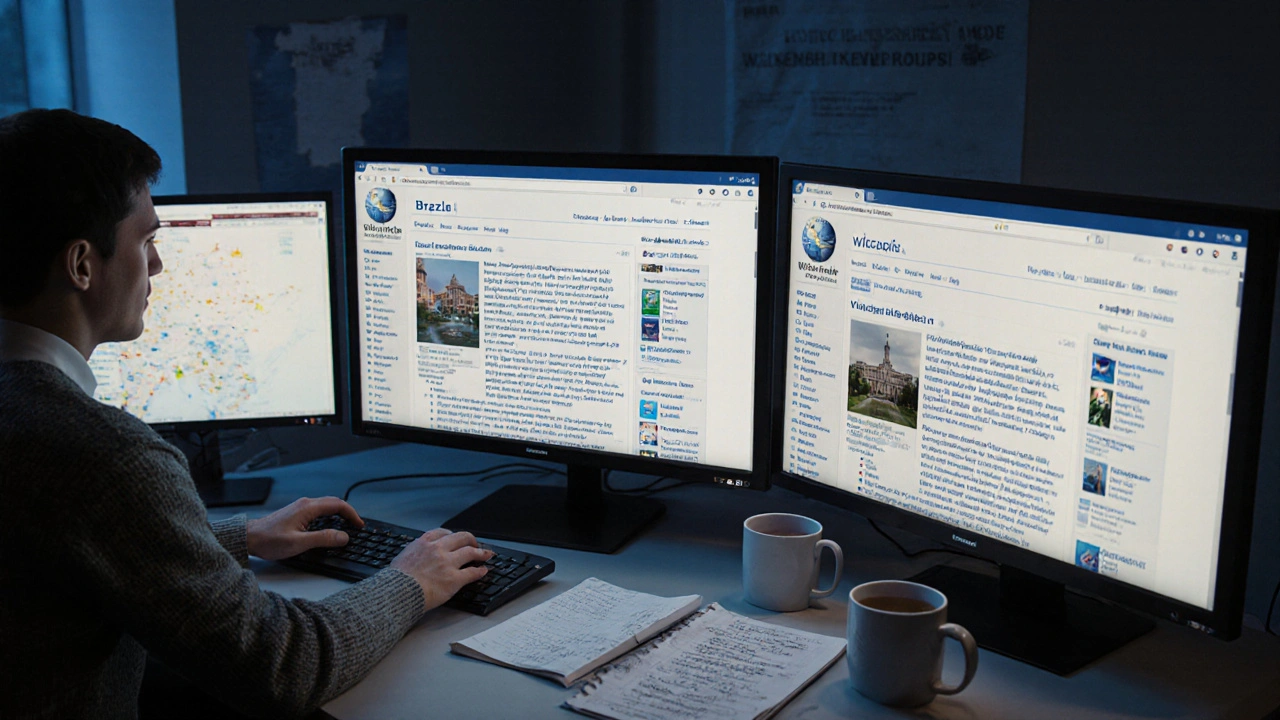
Wikipedia's Coverage of Political Elections Worldwide: Editor Guide
Learn how Wikipedia editors verify and update political election results worldwide using official sources, avoid bias, and maintain accuracy during high-stakes voting periods.