Wikipedia News Curation: How Editors Verify, Filter, and Share Reliable Information
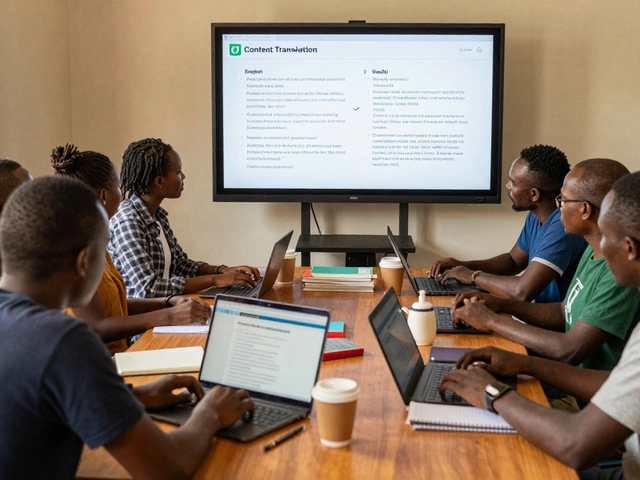
When you read a breaking story on Wikipedia, it didn’t just appear—it was Wikipedia news curation, the systematic process of verifying, filtering, and publishing timely information by volunteer editors. This isn’t automated. It’s humans checking sources, debating edits, and rejecting spam—often within minutes of a major event. Unlike news sites that rely on paid reporters, Wikipedia’s news curation depends on a global network of volunteers who follow strict rules to keep content accurate and neutral.
Behind every stable article is a system designed to catch errors before they spread. Edit filters, automated tools that flag suspicious changes like vandalism or biased language work silently, blocking bad edits on high-risk pages like those about elections or disasters. When an edit slips through, pending changes, a review system that holds new edits until approved by experienced editors acts as a safety net. And when something big happens—like a major political announcement or celebrity death—the Signpost, Wikipedia’s community-run news digest that tracks trends, policy shifts, and editorial debates breaks down what’s really going on behind the scenes.
News curation on Wikipedia doesn’t just react to events—it anticipates them. Editors watch pageview spikes to spot emerging stories, track media corrections to update articles in real time, and use tools like the Wikipedia Library to access paywalled sources without paying a dime. They also manage conflicts: when academics try to promote their research, when journalists misquote sources, or when cultural knowledge gets excluded because it’s not in a book. The goal isn’t speed—it’s trust. Every edit is traceable, every debate archived, every rejection explained.
What you’ll find below isn’t just a list of articles. It’s a map of how Wikipedia stays reliable when everything else is spinning. From how Huggle helps volunteers revert vandalism in seconds, to how Wikinews publishes live updates with verified sources, to how community organizers use new tools to run edit-a-thons around global events—this collection shows the real people and systems keeping Wikipedia’s news credible. You’re not just reading about facts. You’re seeing how they’re made.

Template:In the News: Wikipedia's Curated News Box Explained
Wikipedia's 'In the News' box is a human-curated, fact-checked snapshot of major global events, updated daily by volunteers who prioritize accuracy over speed. It's one of the most reliable quick-reference news tools online.