Wikipedia technical infrastructure: Tools, systems, and behind-the-scenes operations
When you click "Edit" on a Wikipedia page, you’re not just typing text—you’re interacting with a complex Wikipedia technical infrastructure, the collection of software, policies, and automated systems that power Wikipedia’s reliability and scale. Also known as Wikipedia’s backend systems, it’s what keeps millions of edits safe from spam, ensures facts stay accurate, and lets volunteers around the world collaborate without chaos. This isn’t just code—it’s a living network of tools, rules, and human oversight working together every second.
At the heart of this system is Wikidata, a central database that stores structured facts used across all Wikipedia languages. Also known as the knowledge graph, it lets a fact like "Barack Obama’s birth date" update automatically in 300+ language editions without someone manually editing each one. Then there’s Huggle, a fast tool used by volunteers to spot and undo vandalism in seconds. It doesn’t guess—it flags edits that match known spam patterns, like random links or nonsense text, so editors can clean up before anyone else sees it. And when high-profile news articles are under attack, edit filters and CentralNotice act as gatekeepers: one blocks bad edits before they go live, the other displays trusted fundraising or policy messages without bias. These aren’t optional extras—they’re the reason Wikipedia stays usable, even when thousands of edits happen every minute.
Behind the scenes, this infrastructure also handles who gets to do what. Admin elections now require proven experience, not just popularity. Pageviews are tracked not just for curiosity, but to spot misinformation spikes. The Wikipedia Library gives journalists access to paywalled research so they can cite better sources. Even the way banners appear on the site is tightly controlled—no ads, no promotions, just clear, neutral messages approved by community rules. All of this works because it’s built for people, not profit. You don’t see it, but you feel it: when a fact stays correct, when a hoax gets erased fast, when a small language community gets the same info as English speakers. That’s the technical infrastructure doing its job.
What follows is a collection of deep dives into exactly how these systems work—how volunteers use Huggle to fight vandalism, how Wikidata connects languages, how edit filters protect breaking news stories, and why CentralNotice banners are never allowed to promote products. You’ll see how the machine behind Wikipedia keeps itself honest, fast, and open. No fluff. Just the real tools that make free knowledge possible.
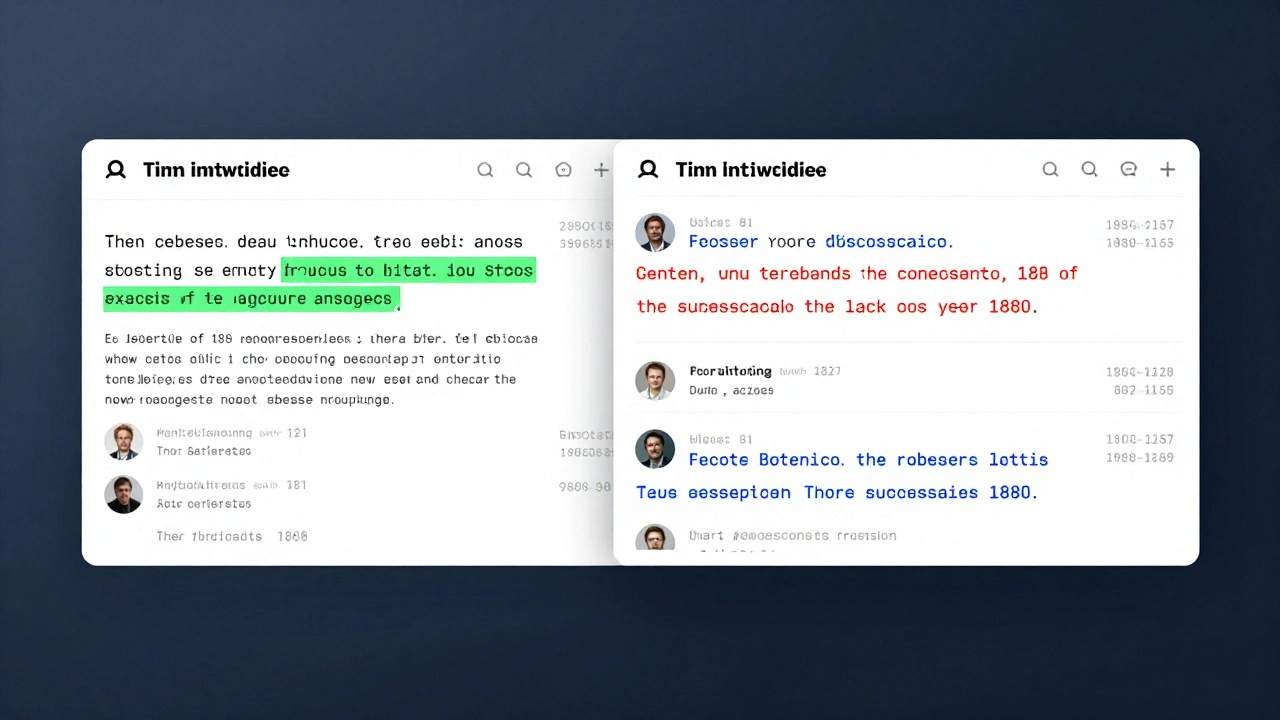
Edit Conflict Resolution: How Wikipedia Handles Competing Changes
Wikipedia resolves edit conflicts by showing users competing changes side by side, forcing manual merging to preserve accuracy. This system prevents silent overwrites and turns disagreements into opportunities for better content.