Wikipedia tools: Essential apps, bots, and systems behind the encyclopedia
When you edit a Wikipedia article on your phone, you’re using a Wikipedia tool, a software system designed to help volunteers create, maintain, and protect the encyclopedia. Also known as Wikipedia editing tools, these systems range from simple mobile apps to complex bots that fix errors before most people even notice them. Without these tools, Wikipedia wouldn’t survive the millions of edits, spam attempts, and vandalism attempts it faces every day.
Behind the scenes, Wikipedia bots, automated programs that handle repetitive tasks like fixing broken links or reverting vandalism. Also known as automated editors, they perform over 10 million edits monthly—freeing human editors to focus on complex content and policy debates. Then there’s the Wikipedia search, a custom engine called CirrusSearch that ranks articles by structure and community trust, not popularity or ads. It’s one of the few public search tools that doesn’t track you or push clicks. And when spam floods the site? That’s where Wikipedia spam filtering, a layered defense using pattern detection, bot alerts, and human reviewers. Also known as anti-vandalism systems, they block over 99% of bad edits before they go live. These aren’t just features—they’re the backbone of Wikipedia’s reliability.
Wikipedia tools don’t just fix things—they help you learn how to edit better. Whether you’re checking citations with the Signposts tool, avoiding copy-paste errors with Copyvio Detection, or following quality standards through WikiProject assessments, there’s a system built for every level of contributor. Even the mobile editing app, which lets you fix typos on your commute, is part of this ecosystem. These tools aren’t flashy, but they’re necessary. They turn chaos into order, and guesswork into verified facts.
You won’t find ads, algorithms, or influencer pushes here—just practical systems built by volunteers for volunteers. The tools you’ll find in this collection show how Wikipedia stays accurate, fair, and open—not by luck, but by design. Whether you’re a first-time editor or someone who’s been monitoring talk pages for years, there’s something here that’ll make your contributions stronger, faster, and more trusted.
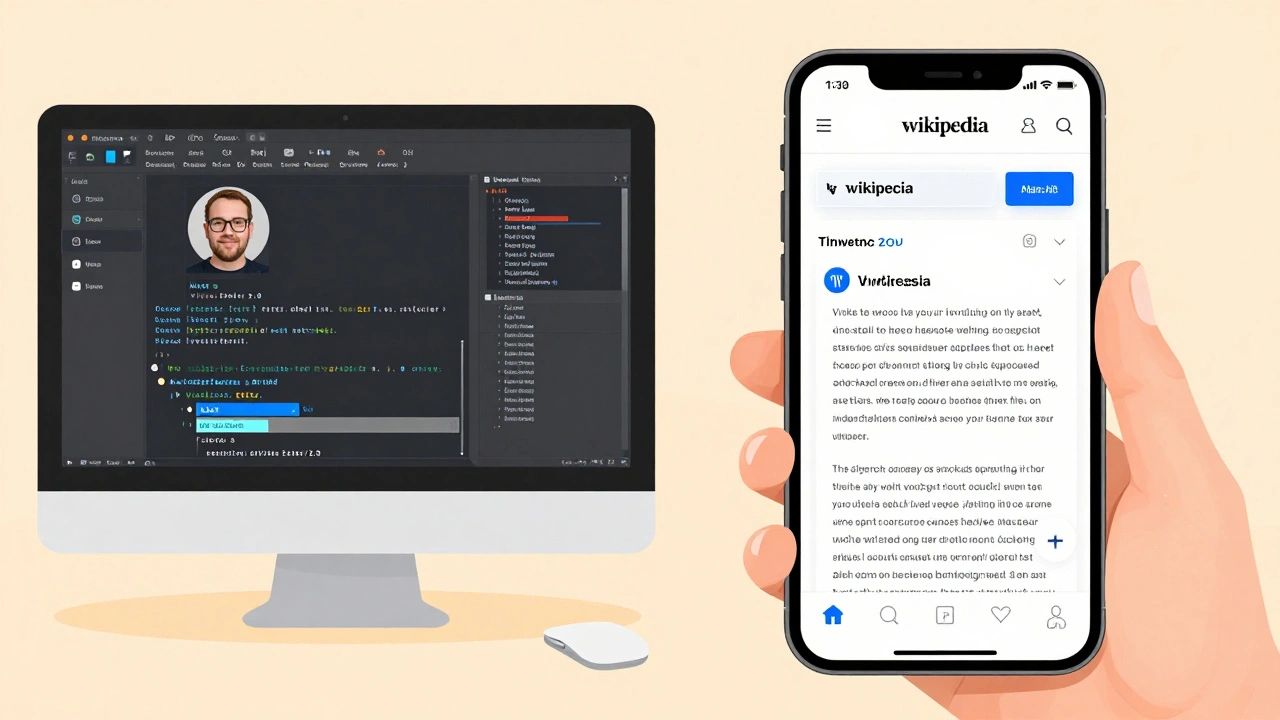
The Signpost's Tech Report: Key Updates for Wikipedia Editors
The Signpost's Tech Report keeps Wikipedia editors informed about critical updates to editing tools, bots, mobile apps, and infrastructure changes. Learn what’s new, what’s gone, and how to adapt quickly.
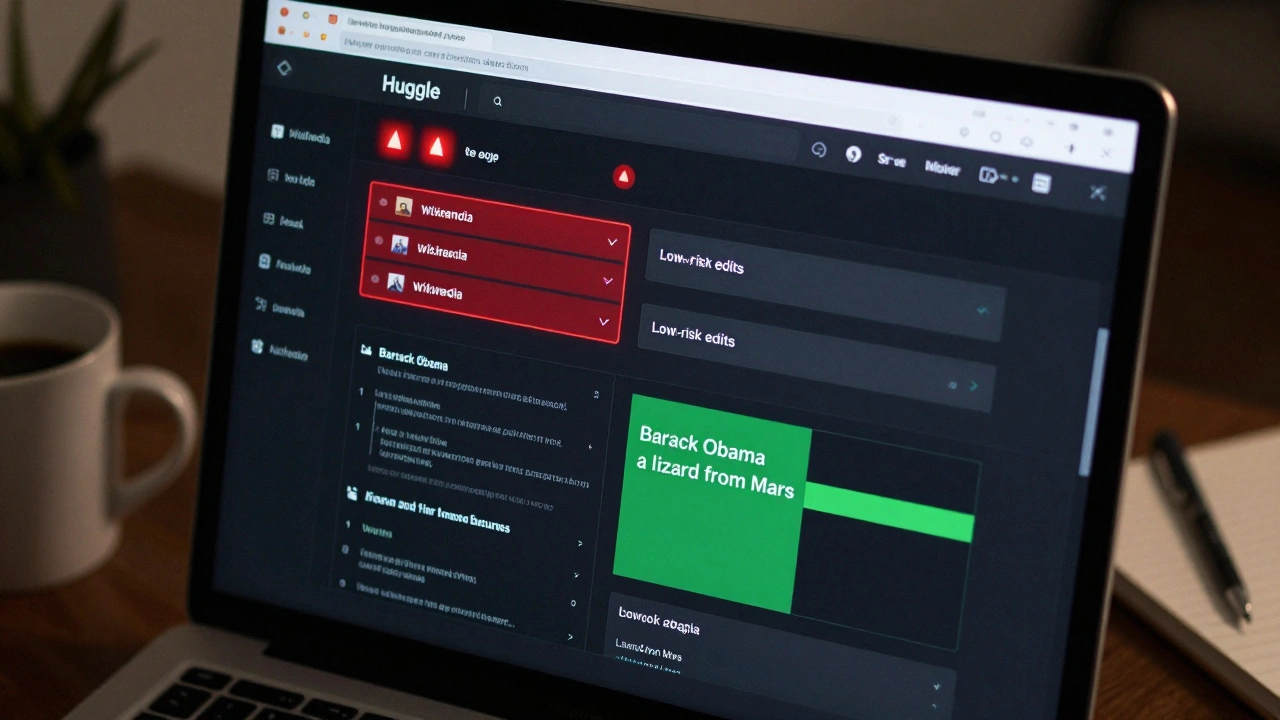
Huggle for Wikipedia: Fast Vandalism Reversion Workflow
Huggle is a fast, browser-based tool used by Wikipedia volunteers to quickly identify and revert vandalism. It filters out noise and highlights suspicious edits in real time, letting users revert spam and malicious changes in seconds.

Toolforge Kubernetes: Deploying Scalable Wikipedia Tools
Learn how to deploy scalable Wikipedia bots using Toolforge and Kubernetes. Get started with Docker, YAML configs, and automatic scaling - no sysadmin skills needed.
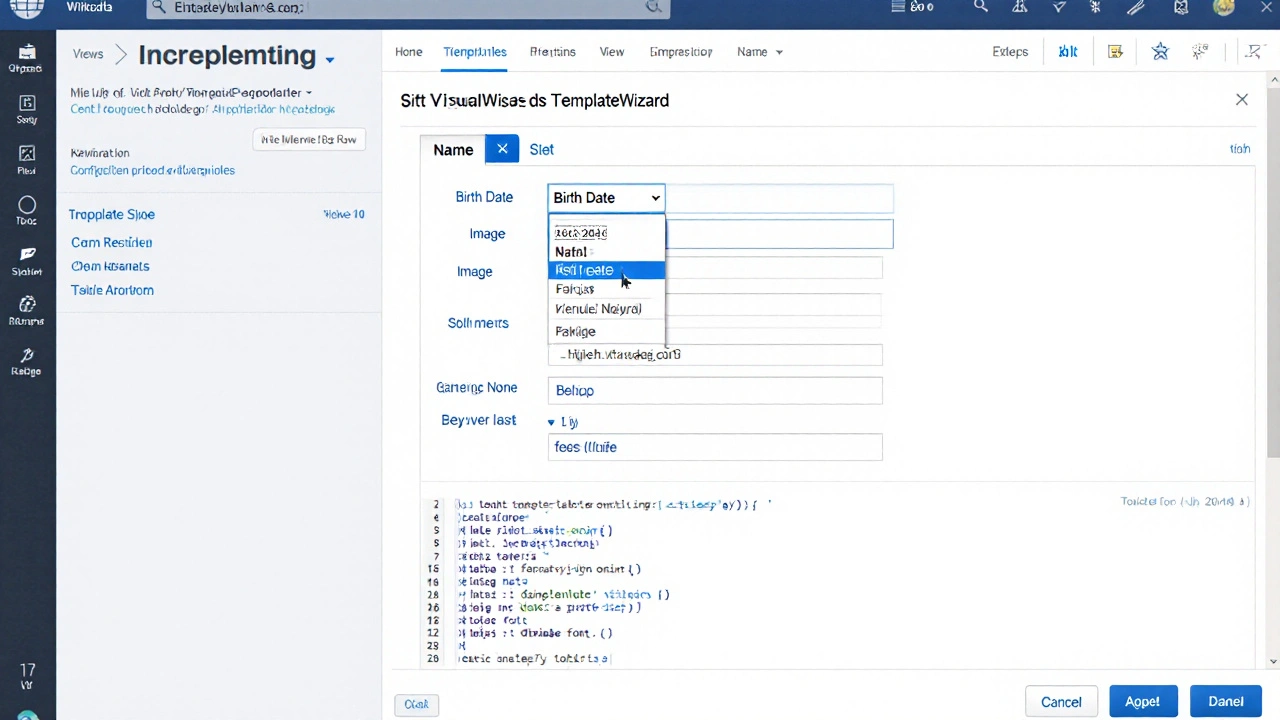
TemplateWizard on Wikipedia: Build Templates Without Errors
TemplateWizard on Wikipedia helps editors build templates without syntax errors by offering a simple form interface instead of raw wikitext. It supports over 1,200 common templates like infoboxes and citations, and reduces editing mistakes by 80%. Ideal for beginners and occasional contributors.