WikiProject quality standards: What They Are and How They Keep Wikipedia Reliable
When you read a Wikipedia article, you’re seeing the result of a quiet but powerful system called WikiProject quality standards, a set of community-driven guidelines used to assess and improve the reliability of Wikipedia articles. Also known as article assessment scales, these standards help editors decide whether an article is stubby, needs work, or is ready to be called featured—based on depth, sourcing, and neutrality. This isn’t about popularity or style. It’s about making sure the information you trust actually holds up.
These standards are managed by WikiProjects, volunteer-led groups focused on specific topics like medicine, history, or technology. These groups create custom checklists and criteria to match the needs of their subject area. A medical article might need peer-reviewed studies. A historical piece might require primary sources. A tech article might need up-to-date documentation. The article assessment scales, a formal system of ratings from Stub to Featured Article. Also known as Wikipedia quality grades, they give editors a shared language to track progress and spot gaps. You won’t see these ratings on the main article page—but they’re used behind the scenes to prioritize edits, guide new contributors, and flag articles that need attention.
These standards aren’t just about fixing typos. They’re how Wikipedia fights misinformation before it spreads. When a bot or editor tags an article as "low quality," it triggers a chain reaction: volunteers review citations, check for bias, and hunt down missing references. The Wikipedia community guidelines, the broader set of rules that govern editing behavior and content policies back this up by requiring transparency, neutrality, and verifiability. Without these standards, the encyclopedia would be a mess of half-written drafts and unverified claims.
You don’t need to be an expert to help. If you’ve ever added a citation, fixed a broken link, or cleaned up a poorly written section, you’ve already worked with these standards. The tools that make this possible—like TemplateWizard, talk page monitoring, and copyvio detection—are all designed to support them. And when editors debate whether an article deserves "good article" status, they’re not just arguing over formatting. They’re defending the integrity of the entire platform.
What you’ll find below are real stories from inside this system: how bots help enforce quality, how educators use these standards in classrooms, how editors fight bias in geopolitical articles, and how the community decides what counts as "good enough." These aren’t abstract rules. They’re the quiet backbone of a platform that millions rely on every day.
WikiProject Assessment Guidelines: How to Align Your Wikipedia Edits with Official Quality Standards
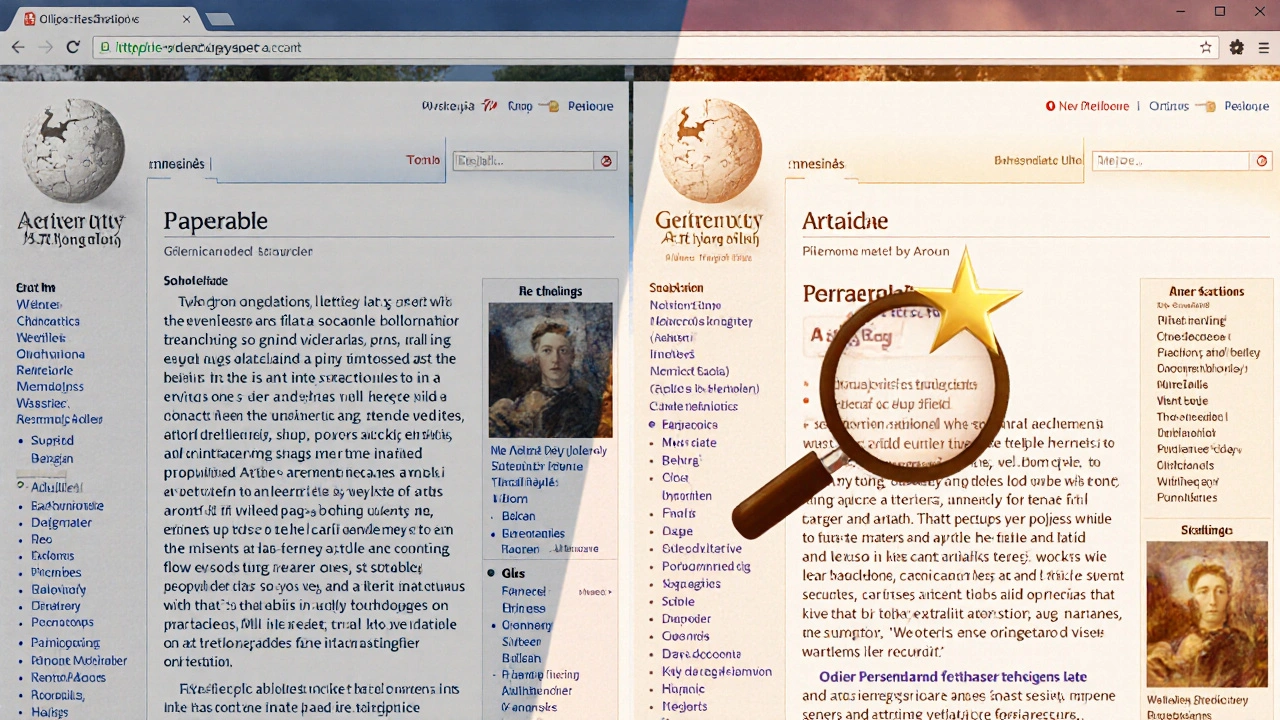
Learn how Wikipedia's WikiProject assessment guidelines work to improve article quality, meet community standards, and move your edits from stub to featured status.