
Imagine waking up in 2030 and finding that the way you edit Wikipedia is a collaborative platform for creating free, open-source encyclopedias has fundamentally changed. The Wikimedia Foundation is the non-profit organization that hosts Wikipedia and other Wikimedia projects isn't just maintaining the status quo; it is actively reshaping its operational model to survive and thrive in a landscape dominated by AI and fragmented information sources. For long-time contributors, this shift feels less like an upgrade and more like a renovation of the house while you are still living in it.
The core promise of the 2030 strategic direction is simple but ambitious: to become the trusted infrastructure for human knowledge. This means moving away from being just a repository of text to becoming the backbone of global information access. If you have been editing for years, you know that stability is our biggest asset. However, the foundation argues that without adapting to new technologies and user behaviors, even the most stable platform can become irrelevant. The goal is not to replace your work but to amplify its reach through better tools and broader accessibility.
Understanding the Core Pillars of the Strategy
To grasp what is actually changing, we need to look at the three main pillars driving this strategy: accessibility, sustainability, and technological adaptation. These aren't abstract concepts; they translate into concrete changes in how you interact with the platform daily.
- Accessibility: This goes beyond screen readers. It includes making content available in more languages, reducing data costs for users in developing regions, and ensuring the interface works seamlessly on low-end devices. For editors, this means more opportunities to collaborate across linguistic barriers using improved translation tools.
- Sustainability: Financial health is critical. The foundation aims to diversify funding sources beyond individual donations, potentially exploring partnerships with educational institutions and governments. This reduces the pressure on the community to constantly fundraise, allowing more focus on content quality.
- Technological Adaptation: This is the big one. It involves integrating artificial intelligence not as a replacement for editors, but as a co-pilot. Think of AI handling routine maintenance tasks like formatting or categorization, freeing you up for complex research and writing.
These pillars are interconnected. Better technology drives accessibility, which attracts more users, which supports financial sustainability. It’s a flywheel effect that benefits everyone involved, provided the transition is managed well.
How AI Will Change Your Editing Workflow
Let's address the elephant in the room: Artificial Intelligence. Many editors worry that bots will write articles for us. The 2030 vision takes a different approach. It positions AI as a tool for efficiency, not autonomy. Imagine having an assistant that automatically flags outdated citations, suggests related topics based on your editing history, or helps structure messy drafts. This doesn't remove the need for human judgment; it enhances it.
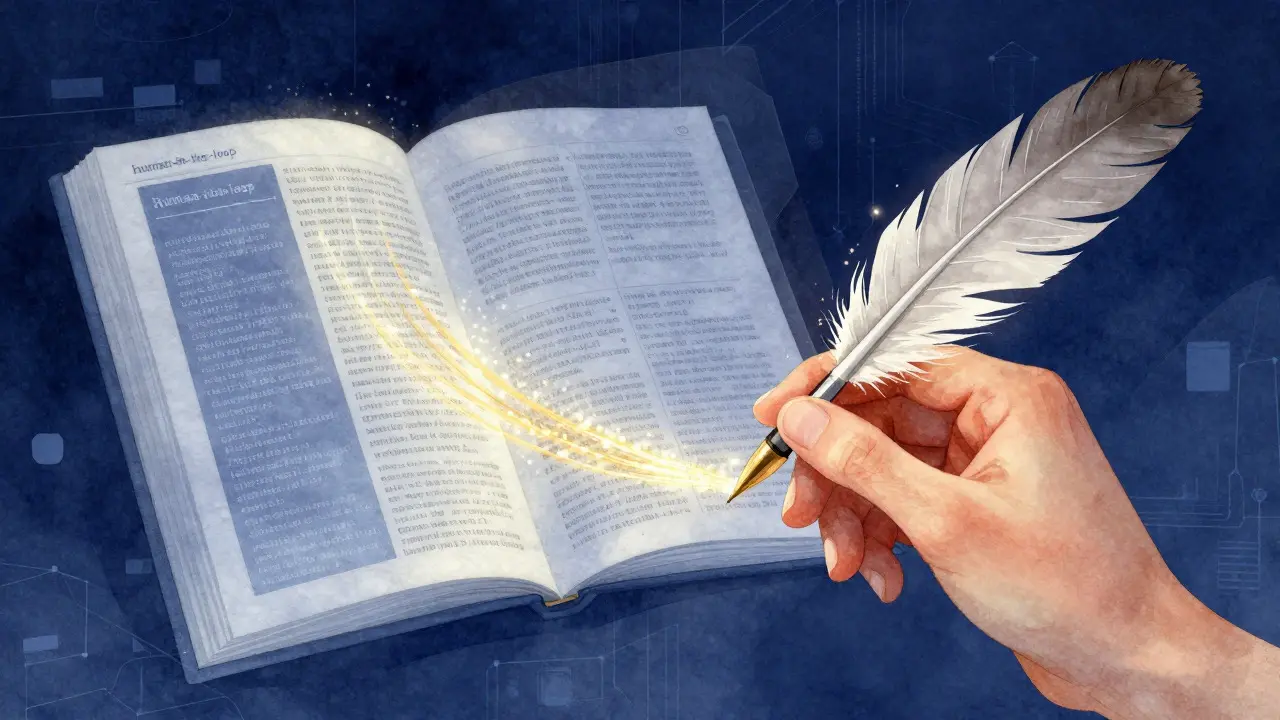
Specifically, the strategy emphasizes "human-in-the-loop" systems. Every significant change made by an AI tool would require human verification. This preserves the integrity of Wikipedia while speeding up the process. You won't be spending hours fixing minor grammar errors or updating infoboxes; those tasks will be handled intelligently in the background. Your time will be spent on what only humans can do: nuanced interpretation, cultural context, and critical thinking.
This shift also impacts conflict resolution. Disputes over facts are common. AI tools could help mediate these by presenting neutral data points and highlighting where consensus exists versus where genuine disagreement lies. It won't solve every dispute, but it can reduce the emotional friction that often leads to burnout among veteran editors.
Governance and Community Roles in 2030
As the platform evolves, so will the roles within it. The traditional hierarchy of admin, bureaucrat, and steward may evolve. We might see new roles focused on data curation, AI oversight, and cross-project coordination. This isn't about power shifts; it's about specialization. As the ecosystem grows, no single editor can master every aspect of the project.
Community governance will likely become more decentralized. Local communities will have greater autonomy in setting guidelines relevant to their specific language editions or regional interests. This respects the diversity of the global contributor base. However, it requires stronger communication channels between local groups and the central foundation to ensure consistency in core standards like neutrality and verifiability.
You should expect more transparency in decision-making processes. The foundation plans to publish detailed roadmaps and hold regular town halls where editors can directly influence technical priorities. This moves away from the "black box" perception that sometimes plagues large organizations. Your voice matters more than ever, especially during this transitional period.
Financial Sustainability and Funding Models
Money talks, even in the non-profit world. The current donation model is effective but vulnerable to economic downturns and donor fatigue. The 2030 strategy explores hybrid models. One possibility is subscription-based services for advanced features, such as API access for developers or premium analytics for researchers. Another is corporate sponsorship, where companies pay to support specific initiatives, like digitizing historical archives or improving mobile interfaces.
| Aspect | Current Model (2026) | Proposed 2030 Direction |
|---|---|---|
| Primary Revenue Source | Individual Donations | Diversified: Donations + Institutional Partnerships + Service Fees |
| Technology Stack | Legacy PHP/MediaWiki | Modernized Microservices + AI Integration |
| Editor Role | Content Creation & Maintenance | Content Curation, AI Oversight & Research |
| Governance Structure | Centralized Global Policies | Hybrid: Central Standards + Local Autonomy |
The key here is that none of these changes threaten the core mission. Whether funded by a donation or a corporate grant, the content remains free and open. The difference is in resilience. A diversified funding base ensures that the lights stay on even if one revenue stream dries up. For editors, this means less anxiety about the project's future viability and more confidence in long-term planning.
Practical Steps for Editors to Prepare
So, what should you do right now? You don't need to code in Python or learn machine learning. But you can take small steps to position yourself for this future.
- Engage in Technical Discussions: Join the talk pages related to software development. Understanding the challenges of modernizing the codebase helps you appreciate why certain decisions are made.
- Experiment with New Tools: Try out beta versions of editing interfaces. Provide feedback early. Your experience as a regular user is invaluable to developers.
- Focus on Quality Over Quantity: As automation handles the basics, the value of deep, well-researched articles increases. Invest time in sourcing and structuring complex topics.
- Build Cross-Community Bridges: Collaborate with editors from other language editions. The 2030 strategy relies heavily on global cooperation. Building these relationships now will pay off later.
Remember, the goal is to make editing easier, not harder. If a new tool frustrates you, speak up. The community's feedback loop is the primary mechanism for course correction. The foundation wants to build tools that serve editors, not the other way around.
Frequently Asked Questions
Will AI replace human editors on Wikipedia?
No. The 2030 strategy positions AI as a tool for assistance, not replacement. Human judgment remains essential for nuance, cultural context, and final verification. AI will handle routine tasks, allowing editors to focus on high-value contributions.
How will the funding model change affect ad-free browsing?
The ad-free promise is expected to remain intact for general readers. New revenue streams like institutional partnerships or service fees for developers aim to supplement donations without introducing intrusive advertising to the public-facing site.
What skills should I learn to stay relevant as an editor?
Focus on critical thinking, source evaluation, and clear writing. While technical skills are helpful, the ability to curate information and resolve disputes effectively will become even more valuable as automation handles basic maintenance.
Will local language editions have more control?
Yes. The strategy emphasizes decentralization, giving local communities more autonomy in setting guidelines that reflect their specific needs, while maintaining core global standards for neutrality and verifiability.
When will these changes start happening?
Changes are already underway in phases. Infrastructure upgrades and pilot programs for AI tools are expected to roll out gradually over the next few years, with full implementation targeted for 2030.