You might have heard whispers in the forums or seen banners on Wikipedia about a "Movement Charter." It sounds bureaucratic, maybe even boring. But here is the reality: this document will dictate how decisions get made across the entire Wikimedia ecosystem for the next decade. If you care about who gets a say in what happens to the world's largest free encyclopedia, these community sessions are where the rubber meets the road.
The problem with large organizations is that they often drift away from their roots. For years, the Wikimedia Foundation and various local chapters operated with somewhat undefined boundaries of power. The Movement Charter aims to fix that by creating a clear framework for roles, responsibilities, and decision-making processes. But a charter written in a vacuum is just paper. That is why the consultation phase matters so much right now. As of September 2026, we are deep in the process of gathering feedback from thousands of contributors worldwide. This isn't just a survey; it is a structured dialogue meant to shape the future of open knowledge.
What Exactly Is the Movement Charter?
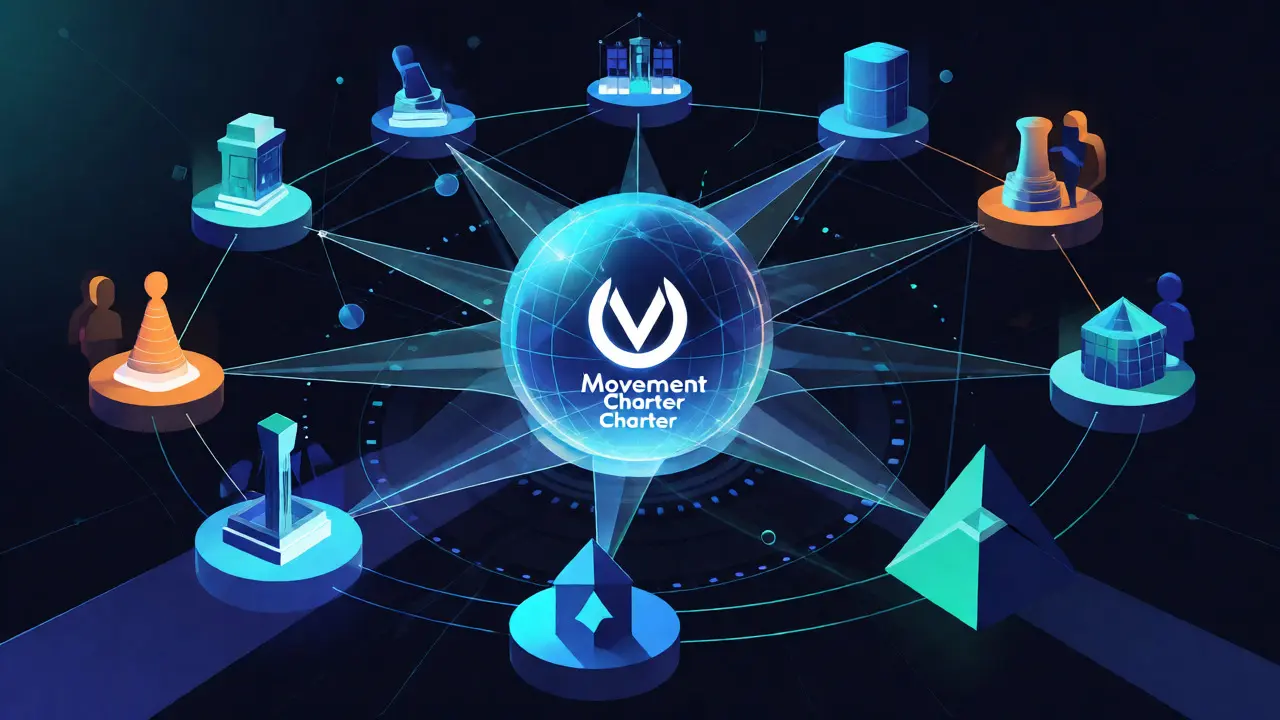
Think of the Movement Charter as the constitution for the Wikimedia movement. Unlike the terms of use, which govern individual projects like Wikipedia or Wikidata, the Charter governs the relationships between the different parts of the movement. It defines the shared values and the mechanisms for collaboration among volunteers, affiliates (like local chapters), and the Wikimedia Foundation.
Why do we need it? Because the movement has grown messy. We have over 300 million monthly readers and tens of thousands of active editors, but no single central authority. Decisions often happen through informal consensus or ad-hoc agreements, which can lead to confusion and conflict. The Charter seeks to formalize this structure without turning it into a rigid corporation. It balances the need for stability with the chaotic, organic nature of volunteer-driven projects.
| Component | Purpose | Impact on Contributors |
|---|---|---|
| Shared Values | Defines core principles like neutrality and openness. | Sets the ethical baseline for all behavior policies. |
| Governance Structure | Outlines roles for the Board, Foundation, and Affiliates. | Clarifies who has the final say on major strategic shifts. |
| Decision-Making Processes | Establishes methods for reaching consensus. | Provides clearer paths for resolving disputes. |
| Resource Allocation | Guidelines for distributing funds and support. | Affects how grants and technical resources are prioritized. |
Why Community Sessions Are Critical Now
Consultations aren't new. But the scale of these current sessions is unprecedented. The goal is inclusivity. Historically, English-speaking editors dominated discussions because most documentation was in English. This time, the team behind the charter is actively seeking input from non-English speakers, underrepresented regions, and marginalized communities within the movement.
If you skip these sessions, you risk having your perspective excluded from the foundational rules. Imagine a rule being passed that favors high-bandwidth video content over text-heavy articles because the majority of voices in the room came from tech-centric hubs. Without diverse input, the Charter could inadvertently privilege certain types of knowledge contribution over others. These sessions are your chance to ensure that a contributor in rural India or a small-language wiki in Europe has equal weight in defining our shared future.
How the Consultation Process Works
The process is designed to be iterative. You don't just fill out a form once and forget about it. Here is what typically happens during a community session:
- Preparation: Facilitators share drafts of specific Charter sections beforehand. You should read them. Seriously. Skimming leads to superficial comments.
- Facilitated Discussion: Live online meetings occur, often broken down by language or region. These are not lectures; they are guided conversations where participants react to specific clauses.
- Documentation: Every comment is recorded. Whether you speak up in a Zoom call or leave a note on Meta-Wiki, it gets tagged and analyzed.
- Synthesis: The drafting committee reviews the feedback, identifies common themes, and revises the draft.
- Iteration: The revised draft goes back to the community for another round of checks. This cycle repeats until broad agreement is reached.
Notice the emphasis on synthesis. One of the biggest fears is that loud voices drown out quiet ones. To combat this, facilitators often use anonymous feedback tools or small breakout groups to ensure introverts or those less confident in public speaking can still contribute effectively.
Who Should Participate?
A common misconception is that only long-time admins or chapter board members matter. Wrong. The Charter affects everyone. Newcomers bring fresh perspectives on accessibility barriers that veterans might ignore. Developers influence how technical infrastructure aligns with governance goals. Readers, though they don't edit, represent the ultimate beneficiaries of our work-their trust depends on how transparently we govern ourselves.
If you identify as any of the following, you should consider joining a session:
- Active Editors: You want to know how dispute resolution will change.
- Affiliate Members: You belong to a local chapter or thematic organization and want clarity on funding autonomy.
- Technical Contributors: You care about API access, tool development priorities, and data privacy standards.
- Newcomers: You see friction in getting started and want the rules to reflect modern onboarding practices.
Challenges and Controversies
It would be naive to pretend everything is smooth sailing. There are real tensions. One major point of debate centers on the balance of power between the Wikimedia Foundation and the volunteer community. Some fear that formalizing governance will lead to "NGO-ification," where professional staff hold more sway than grassroots volunteers. Others argue that without clear structures, the movement remains vulnerable to external pressures and internal chaos.
Another sticking point is regional equity. How do you fairly weigh the opinions of a massive project like the English Wikipedia against smaller projects like Yoruba or Quechua Wikipedia? The Charter proposes mechanisms for weighted voting or advisory councils, but critics worry these systems might still favor larger, wealthier communities. These nuances are exactly why live discussion beats static surveys. You can ask follow-up questions, challenge assumptions, and hear the reasoning behind proposed compromises.

Practical Tips for Effective Participation
So, you decided to join. How do you make sure your voice actually counts? Here are some heuristics based on past successful consultations:
- Read the Draft First: Come prepared. Reference specific section numbers when giving feedback. "Section 4.2 feels too vague" is better than "I don't like this part."
- Provide Examples: Abstract complaints are hard to act on. Instead of saying "we need fairness," describe a recent incident where lack of clarity caused a problem.
- Listen Before Speaking: In group settings, understanding other viewpoints helps you frame your counter-arguments more persuasively.
- Follow Up Online: If you miss the live session, check the transcripts on Meta-Wiki. Add your thoughts there. Written feedback often survives longer than spoken words.
Remember, the goal isn't to win every argument. It is to find language that works for the widest possible range of users. Compromise is not weakness; it is the engine of consensus-based governance.
Looking Ahead: What Happens After Consultations?
Once the consultation period closes, the drafting committee will compile a comprehensive report detailing accepted changes and rejected suggestions with reasons. This transparency is crucial. If you disagree with a rejection, you can appeal or propose amendments during the ratification vote.
Ratification itself is a complex event involving votes from affiliated entities and potentially direct elections. The timeline extends well into late 2026 and early 2027. Keep an eye on official announcements for dates. Missing the ratification window means losing your final chance to formally endorse or reject the Charter.
This process is experimental. No other open-source movement of this size has attempted such a comprehensive self-governance overhaul. Your participation contributes to a broader experiment in digital democracy. Whether you agree with the outcome or not, engaging in the process strengthens the culture of accountability that makes Wikipedia unique.
Do I need to be an admin to participate in community sessions?
No. The sessions are open to all registered users regardless of their role or experience level. In fact, newcomers are often encouraged to attend because they can highlight usability issues that experienced users may overlook.
Is the Movement Charter legally binding?
The Charter is primarily a social contract rather than a legal document. However, it establishes norms and expectations that guide policy creation. While it doesn't replace national laws, it creates a strong framework for internal discipline and cooperation among Wikimedia affiliates.
What if my language isn't represented in the main sessions?
The organizers prioritize multilingual outreach. Check the Meta-Wiki page for translated summaries and localized sessions. Additionally, you can submit written feedback in your native language, which will be translated and considered alongside English inputs.
How does the Charter affect existing Wikipedia policies?
The Charter operates at a higher level than specific content policies like Neutral Point of View. It sets the stage for how those policies are developed and enforced. Existing policies remain valid unless the Charter explicitly mandates a review or change in their governance process.
Can I suggest changes after the consultation period ends?
Major structural changes are difficult to introduce after the main consultation phase. However, minor clarifications and typos can usually be addressed before the final ratification vote. Significant deviations require a formal amendment proposal, which is a separate and rigorous process.