Ever stared at a Wikipedia article and felt like you were reading a legal brief? If so, you’ve likely encountered citation overload. It’s that dense wall of superscript numbers cluttering the text, making it hard to read. While references are vital for accuracy, too many can ruin the user experience. This guide breaks down why this happens and how editors can strike the right balance.
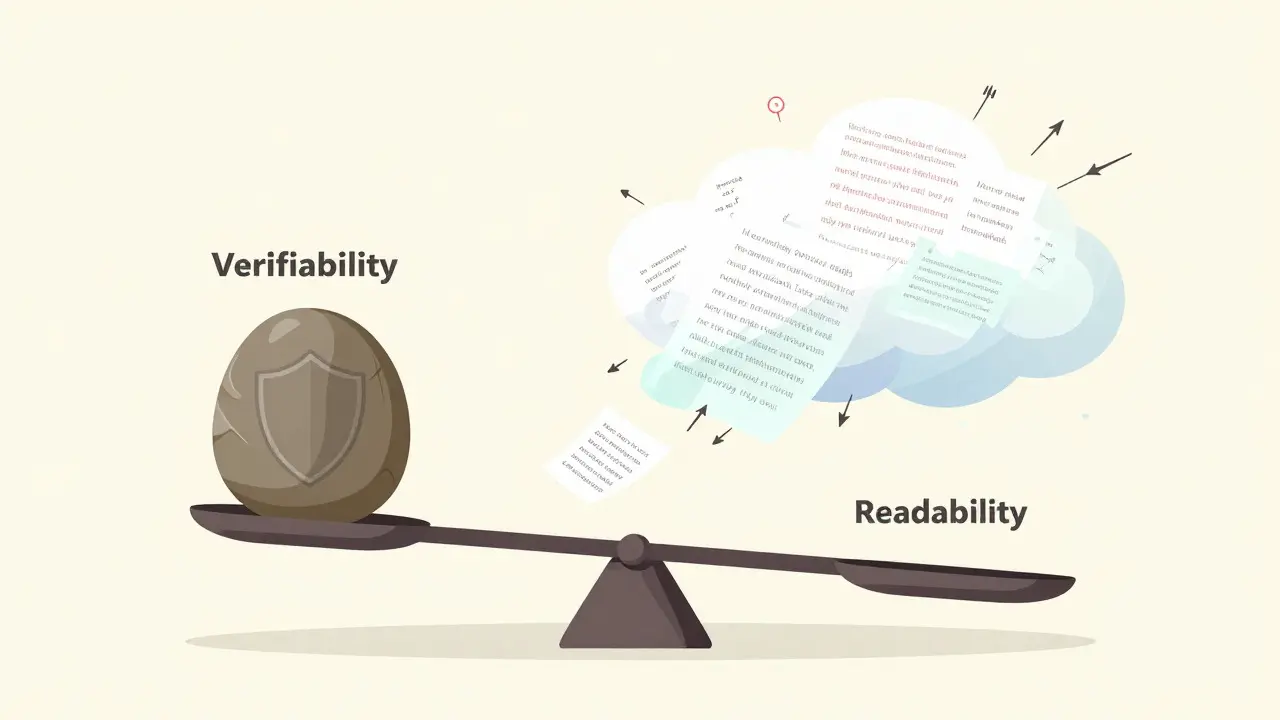
The core issue isn’t the lack of sources. It’s the placement and frequency of those sources. A well-cited article builds trust. An over-cited one feels robotic and exhausting. For readers, the goal is clarity. For editors, the goal is verifiability. When these two goals clash, citation overload wins by default because it’s safer to cite too much than too little. But safety shouldn’t come at the cost of readability.
What Is Citation Overload?
Citation Overload is a condition in encyclopedic writing where reference markers appear so frequently that they disrupt the natural flow of prose. It usually manifests as multiple citations attached to a single sentence or even a single clause. You might see something like "The company was founded in 1998123." That’s three sources for one simple fact. Why? Because each editor added their own source without checking if one was enough.
This phenomenon is distinct from missing citations. Missing citations make facts unverifiable. Citation overload makes facts hard to find. In both cases, the reader suffers. The difference is subtle but critical. One is a gap in knowledge; the other is a barrier to access. Understanding this distinction helps editors decide when to add a reference and when to leave the text clean.
Why Editors Cite Too Much
Most editors aren’t trying to clutter the page. They’re protecting their work. Wikipedia operates on a consensus model, meaning anyone can change anything. If you add a fact without a source, another editor might delete it. So, people cite aggressively. It’s a defensive strategy.
There are three main drivers behind this behavior:
- Fear of Reversion: New editors worry about being reverted by experienced users. Adding five sources feels safer than adding one.
- Lack of Guidance: Many contributors don’t know the specific rules for citation density. They assume more is better.
- Source Stacking: Sometimes, editors find multiple sources that say the same thing. Instead of picking the best one, they list them all.
This creates a cumulative effect. Over time, articles become cluttered. The prose gets fragmented. Readers stop trusting the text because they can’t tell which part is original analysis and which part is just sourced data.
The Impact on Readers
Readers don’t care about your source list. They care about getting information quickly. When an article is overloaded with citations, cognitive load increases. Your brain has to process the text while also tracking the numbers. It’s distracting.
Studies on readability suggest that visual clutter reduces comprehension speed. On Wikipedia, this means readers spend less time on the page. They bounce off. For a platform that relies on public engagement, that’s bad news. If people stop reading because it looks like homework, the encyclopedia loses its purpose.
Consider the difference between a textbook and a newspaper. Textbooks have footnotes. Newspapers have bylines. Wikipedia sits somewhere in the middle. It needs to be authoritative like a textbook but accessible like a newspaper. Citation overload pushes it too far toward the textbook side.
Best Practices for Balanced Referencing
How do you fix this? You don’t need to remove all citations. You need to optimize them. Here are practical steps every editor should follow.
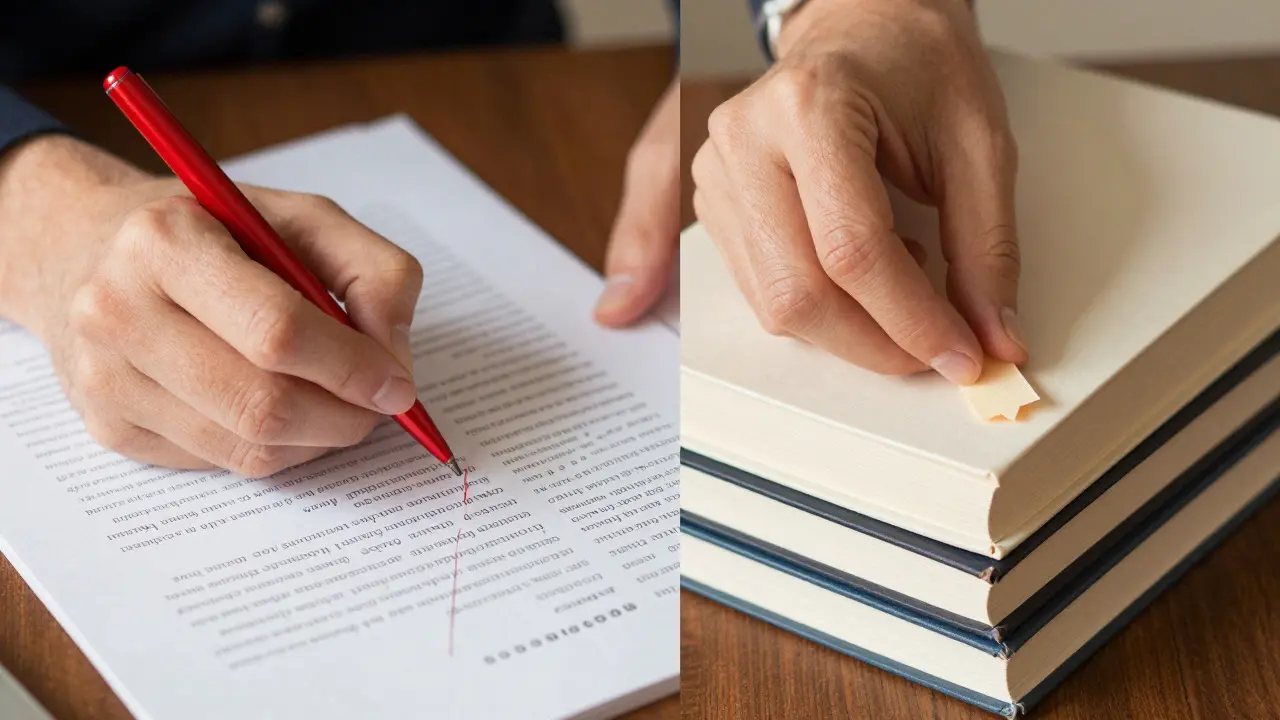
- One Source per Fact: Unless a fact is highly disputed, one reliable source is enough. Pick the most authoritative one available.
- Cite the Sentence, Not the Word: Place the citation at the end of the sentence containing the claim. Don’t attach it to individual words unless necessary for precision.
- Use Group Citations: If several sentences rely on the same source, use a group citation at the end of the paragraph or section. This reduces visual noise significantly.
- Check for Redundancy: Before adding a new citation, look at the existing ones. If they cover the same point, replace the weaker source with the stronger one instead of adding a third.
These habits keep the text clean. They also make it easier for other editors to verify your work. A single strong source is often more valuable than three weak ones.
When More Citations Are Necessary
Does this mean you should never use multiple citations? No. There are specific scenarios where extra references are justified.
Disputed Facts are claims where reliable sources disagree on the outcome or interpretation. If two major newspapers report different election results, you need to cite both to show the conflict. Similarly, if a scientific study is controversial, citing the primary paper plus a critique provides context.
Another case is Complex Statistics are data points derived from calculations or aggregations rather than direct statements. If you calculate a percentage based on raw data, you should cite the source of the raw data. If you quote a statistic directly from a report, one citation suffices.
Knowing when to add and when to hold back is the key skill. It requires judgment, not just rule-following.
Tools and Templates for Efficiency
You don’t have to manage citations manually. Wikipedia offers tools that help streamline the process. The VisualEditor, now integrated into the standard edit interface, allows you to insert citations with a simple dialog box. It automatically formats the reference list at the bottom of the page.
For advanced users, templates like {cite journal} or {cite web} ensure consistency. These templates pull metadata from databases like Crossref or DOI systems. This saves time and reduces formatting errors. However, relying solely on templates doesn’t solve the overload problem. You still need to decide how many to use.
A good workflow looks like this:
- Draft the text first.
- Identify the key claims.
- Find one reliable source per claim.
- Insert citations using templates.
- Review the final draft for visual density.
Comparison of Citation Strategies
| Strategy | Pros | Cons | Best For |
|---|---|---|---|
| Minimalist | High readability, clean look | Risk of reversion if sources are weak | Established, uncontroversial topics |
| Balanced | Good balance of clarity and verification | Requires careful selection of sources | Most general articles |
| Aggressive | Maximum protection against edits | Low readability, visual clutter | Heavily disputed or evolving topics |
The balanced approach works for 90% of articles. Use the aggressive method only when the topic is volatile. Use the minimalist method when the facts are universally accepted and well-documented.
Common Mistakes to Avoid
Even experienced editors make mistakes. Here are the most common ones:
- Self-Publishing Bias: Citing your own blog post as a primary source. Always prefer independent, third-party sources.
- Dead Links: Using paywalled or temporary links that break over time. Prefer stable URLs or DOIs.
- Misattribution: Citing a source that doesn’t actually support the claim. Read the source before citing it.
- Over-Grouping: Grouping too many unrelated claims under one citation. Each distinct claim needs its own support.
Avoiding these pitfalls ensures your citations remain useful and accurate. It also builds your reputation as a reliable contributor.
FAQ
How many citations are too many on Wikipedia?
There is no fixed number, but if more than 50% of your sentences have multiple citations, you likely have citation overload. Aim for one citation per distinct fact or claim.
Should I cite definitions on Wikipedia?
Generally, no. Common definitions from dictionaries don’t need citations. Only cite definitions if they are specialized, technical, or disputed.
What is the best source for a Wikipedia article?
The best source is the most recent, authoritative, and independent publication available. Peer-reviewed journals are ideal for science. Major newspapers are good for current events.
Can I use my own website as a source?
Only if the website is widely recognized as an authority on the topic. Otherwise, it may be considered self-published and removed by other editors.
How do I fix an article that already has citation overload?
Start by removing duplicate citations. Then, consolidate related claims under group citations. Finally, ensure each remaining citation supports a unique fact. Do this gradually to avoid triggering edit wars.