Wikipedia isn’t just growing-it’s evolving. While most people think of it as a static archive of facts, the real magic happens in the background: hundreds of volunteer-driven WikiProjects that shape what gets covered, how deeply, and with what accuracy. And right now, a wave of new WikiProjects is taking shape, tackling topics that were once ignored, overlooked, or too niche to even consider. These aren’t just minor tweaks. They’re redefining what knowledge on Wikipedia looks like.
What WikiProjects Actually Do
WikiProjects are teams of editors who focus on a specific subject area. Think of them as specialized clubs. One might polish all articles about African cinema. Another might fact-check every claim about renewable energy in developing countries. They don’t write articles from scratch-they improve, organize, and defend content. They set standards. They train new editors. They fight vandalism. And they spot gaps.
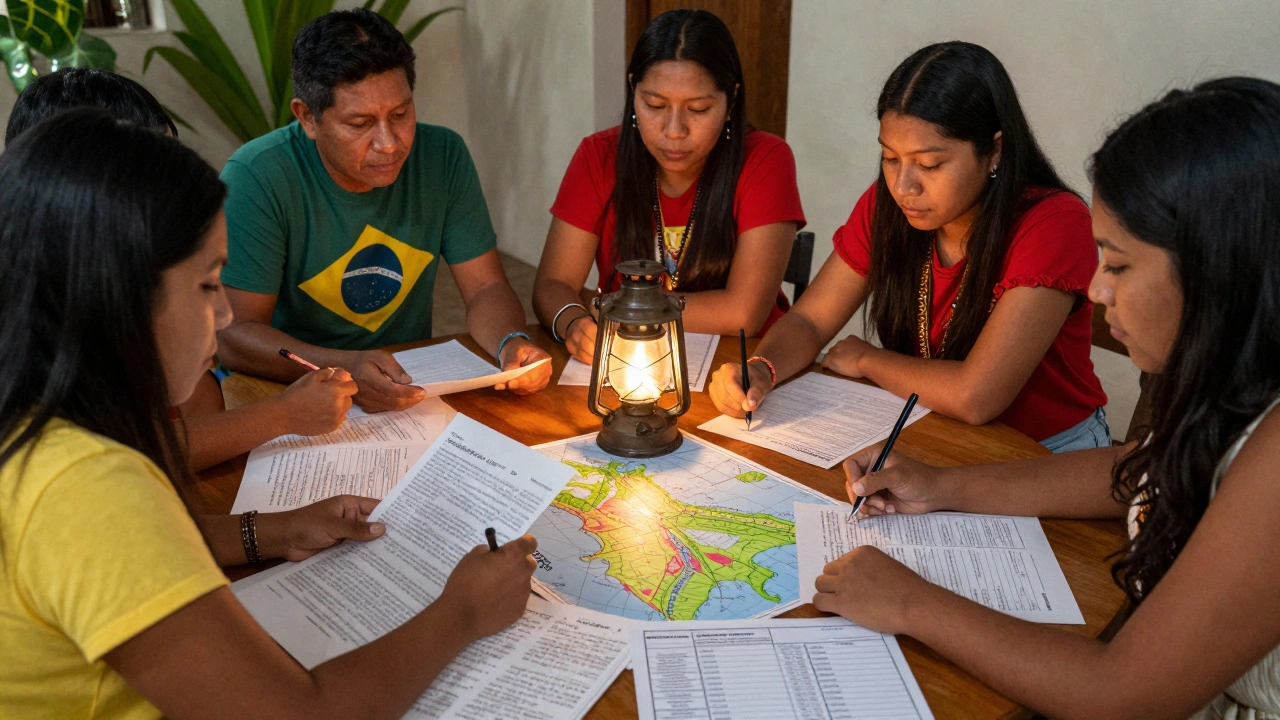
Before 2024, if you searched for "indigenous land management practices in the Amazon," you’d get scattered snippets. Now, thanks to the newly formed WikiProject Indigenous Ecological Knowledge, there’s a structured, sourced, and peer-reviewed hub with over 200 articles. That didn’t happen by accident. It happened because a group of 17 editors-mostly from Brazil, Peru, and Indigenous communities-dedicated six months to building templates, citation guidelines, and outreach to local universities.
The Rise of Underrepresented Topics
One of the biggest shifts in 2025 is the surge in WikiProjects focused on marginalized voices. A decade ago, Wikipedia’s coverage of women in science was sparse. Today, WikiProject Women in STEM has over 1,200 active contributors and has added 8,400 new biographies since 2022. But it’s not just gender. New projects are popping up around:
- Disability history-covering adaptive technologies, policy changes, and personal narratives from Global South countries
- Minority languages-not just translations, but original content in Quechua, Ainu, and Māori, written by native speakers
- Traditional food systems-documenting heirloom crops, fermentation techniques, and seasonal diets from regions like the Sahel and the Pacific Islands
These aren’t vanity projects. They’re corrections. Wikipedia used to reflect what Western academia prioritized. Now, it’s reflecting what global communities care about.
Technology Is Changing the Game
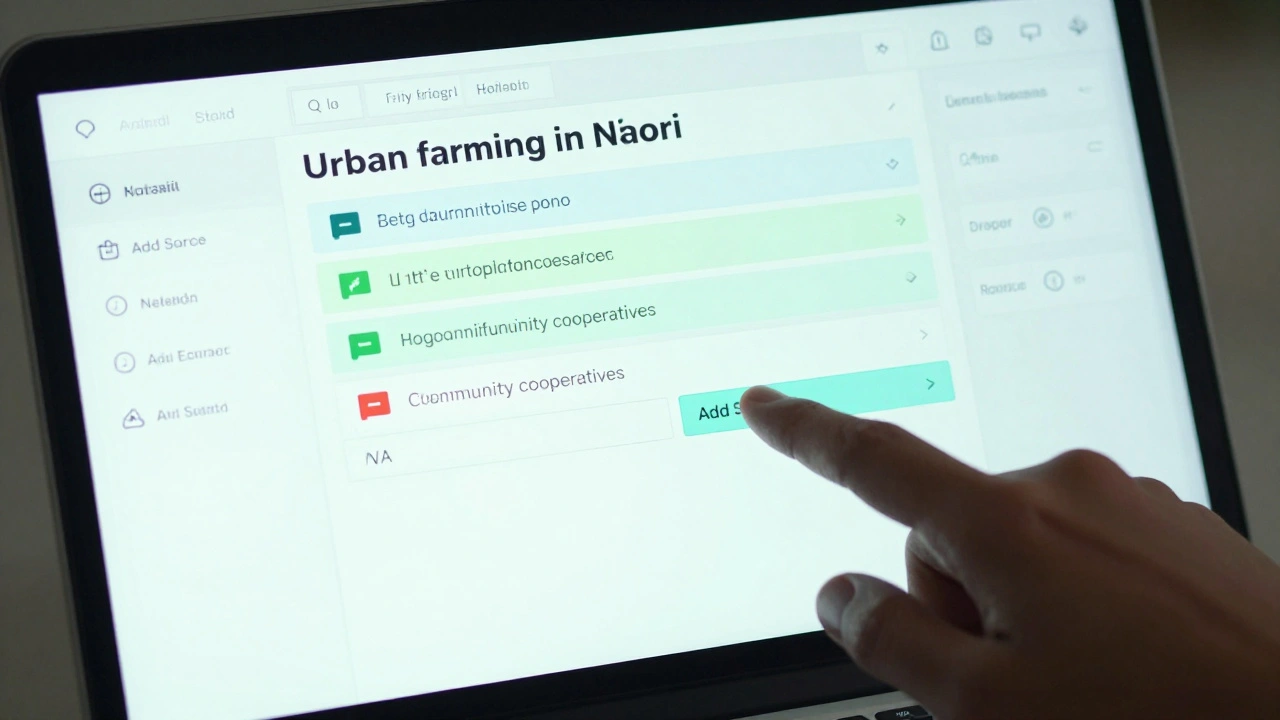
It’s not just people driving change-tools are too. In late 2024, the Wikimedia Foundation rolled out a new AI-assisted editing dashboard called Project Insight. It doesn’t write articles. It flags gaps. For example, if you’re editing an article on "urban farming in Nairobi," the tool might suggest: "No citations from Kenyan agricultural journals. 72% of related articles mention community cooperatives-this one doesn’t. Add source?"
WikiProject Urban Food Systems adopted this tool early. Within three months, they improved 300+ articles by adding local sources. One editor from Kampala said, "Before, we felt like we were shouting into the void. Now, the system helps us build bridges."
Meanwhile, WikiProject AI Ethics-launched in January 2025-uses automated bots to scan for biased language in AI-related content. They’ve already corrected over 1,400 instances of "AI will replace jobs" with more nuanced phrasing like "AI is reshaping labor markets, with uneven impacts across sectors."
Climate and Environmental Focus
Climate coverage used to be dominated by global trends. Now, there’s a push for hyperlocal data. WikiProject Climate Adaptation Stories launched in late 2024 with one goal: document how small communities are responding to extreme weather-not just with statistics, but with interviews, oral histories, and photos.
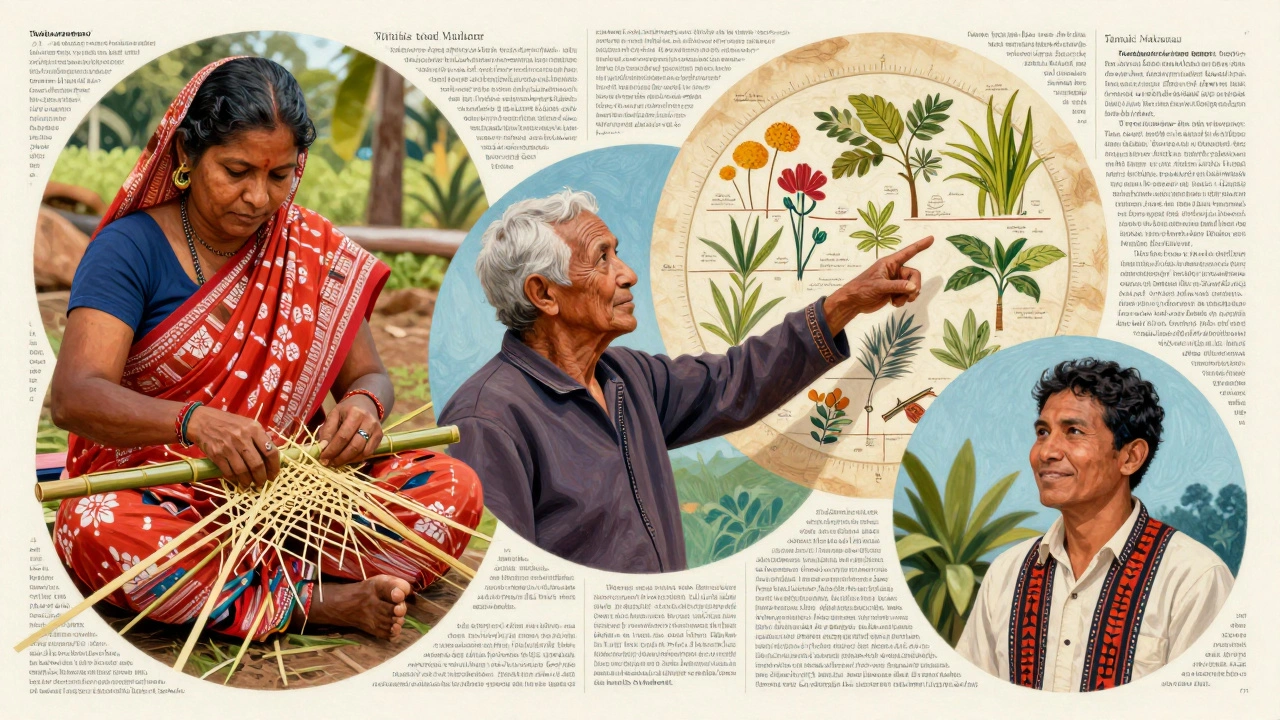
In Bangladesh, volunteers collected stories from flood-affected villages about how women rebuilt drainage systems using traditional bamboo techniques. In Chile, elders described how droughts changed their ancestral crop cycles. These aren’t just entries-they’re archives.
By March 2026, this project had grown to include 300+ contributors across 42 countries. It’s now the most active WikiProject by new article creation rate.
Why This Matters
Wikipedia is the first place most people look for answers. If your culture, your language, your experience isn’t on Wikipedia, it’s as if it doesn’t exist in the public mind. That’s why these new WikiProjects aren’t just about adding content-they’re about justice.
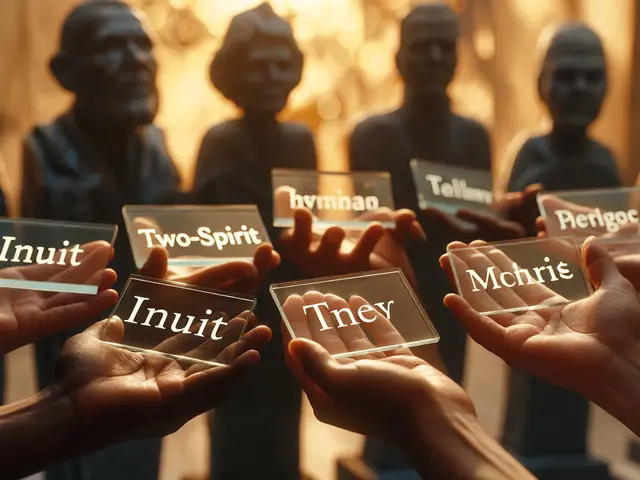
Take WikiProject Queer Indigenous Histories. Before 2023, there were fewer than 10 articles globally on Two-Spirit identities outside North America. Today, there are 147. Contributors from Australia, Samoa, and the Philippines have documented traditional gender roles that colonial records erased. One editor from Tāmaki Makaurau (Auckland) said, "We’re not fixing Wikipedia. We’re fixing history."
How You Can Get Involved
You don’t need to be a scholar. You don’t need to know how to code. You just need to care about a topic that’s missing.
- Visit meta.wikimedia.org/wiki/WikiProjects and browse the list.
- Find a topic you’re passionate about-even if it’s small. "My grandmother’s herbal remedies" counts.
- Join the project’s talk page. Ask what’s needed: citations? Photos? Translations?
- Start small. Add one well-sourced paragraph. Tag it for review.
- Invite others. One person can spark a movement.
Some of the most impactful edits in Wikipedia’s history came from someone who just said, "Wait, this isn’t right."
What’s Next?
Look out for these upcoming WikiProjects in late 2026:
- WikiProject Digital Folklore-documenting memes, viral trends, and online rituals as cultural artifacts
- WikiProject Post-Conflict Memory-preserving testimonies from war zones before they fade
- WikiProject Non-Western Astronomy-mapping star lore from Polynesian, Aboriginal, and Arab traditions
These aren’t speculative. They’re already in the planning phase, with draft charters and active discussion pages. The Wikipedia community moves fast when people show up.
Are WikiProjects only for experienced editors?
No. Many WikiProjects actively recruit beginners. Projects like WikiProject Women in STEM and WikiProject Climate Adaptation Stories have mentorship programs where new editors are paired with experienced ones. You can start by fixing a single typo, adding a citation, or translating a sentence. Every edit counts.
Can I start my own WikiProject?
Yes, if you can show there’s enough interest and a clear scope. You’ll need to create a proposal on Meta-Wiki, gather at least 10 active contributors, and draft guidelines for article quality and sourcing. The approval process takes 4-8 weeks. Many successful projects started as small Facebook groups or Reddit threads before going official.
Do WikiProjects get funding?
Most are volunteer-run with no budget. But some receive small grants from the Wikimedia Foundation for outreach, translation tools, or training workshops. For example, WikiProject Indigenous Ecological Knowledge received a $15,000 grant in 2025 to train 50 local editors in rural Peru. Funding is competitive and tied to measurable impact.
Why don’t I see these new topics when I search Wikipedia?
Many new WikiProject articles are still in development and marked as "stub" or "draft." They might not show up in top search results yet. But if you dig into the talk pages or check the project’s "to-do" list, you’ll find the raw, growing content. The real innovation is happening behind the scenes.
Are these new topics reliable?
Yes-if they follow Wikipedia’s core policies: verifiability, no original research, and neutral point of view. WikiProjects are stricter than general editors. They require peer review, source diversity, and citation of primary materials. Articles from WikiProject Climate Adaptation Stories, for example, must include at least one local source, not just international news outlets.
Wikipedia’s future isn’t written by algorithms. It’s written by people-ordinary people-who decided that some stories mattered enough to save.