Ever stared at a Wikipedia article on quantum mechanics or cellular respiration and wondered if the facts were actually true? The difference between a trustworthy entry and a speculative one often comes down to one thing: citations. In Science, Technology, Engineering, and Mathematics (STEM) fields, the stakes are higher because errors can mislead students, researchers, and even policy makers. This guide breaks down exactly how to cite scientific work on Wikipedia so your edits stick, your peers trust you, and the article remains a solid resource for years.
Why Scientific Citations Matter More Here
In humanities, a book review might suffice as a source. In STEM, context is everything. A claim that "a new drug reduces blood pressure by 15%" needs a specific clinical trial, not just a news report about the trial. Wikipedia’s core policy requires that every non-trivial fact be verifiable through a reliable source. For science topics, this means prioritizing primary research published in peer-reviewed journals over secondary summaries. If you cite a popular science magazine without linking back to the original study, editors will likely flag it as insufficient. The goal isn't just to prove something happened; it's to show *how* we know it happened.
The Hierarchy of Reliable Sources in STEM
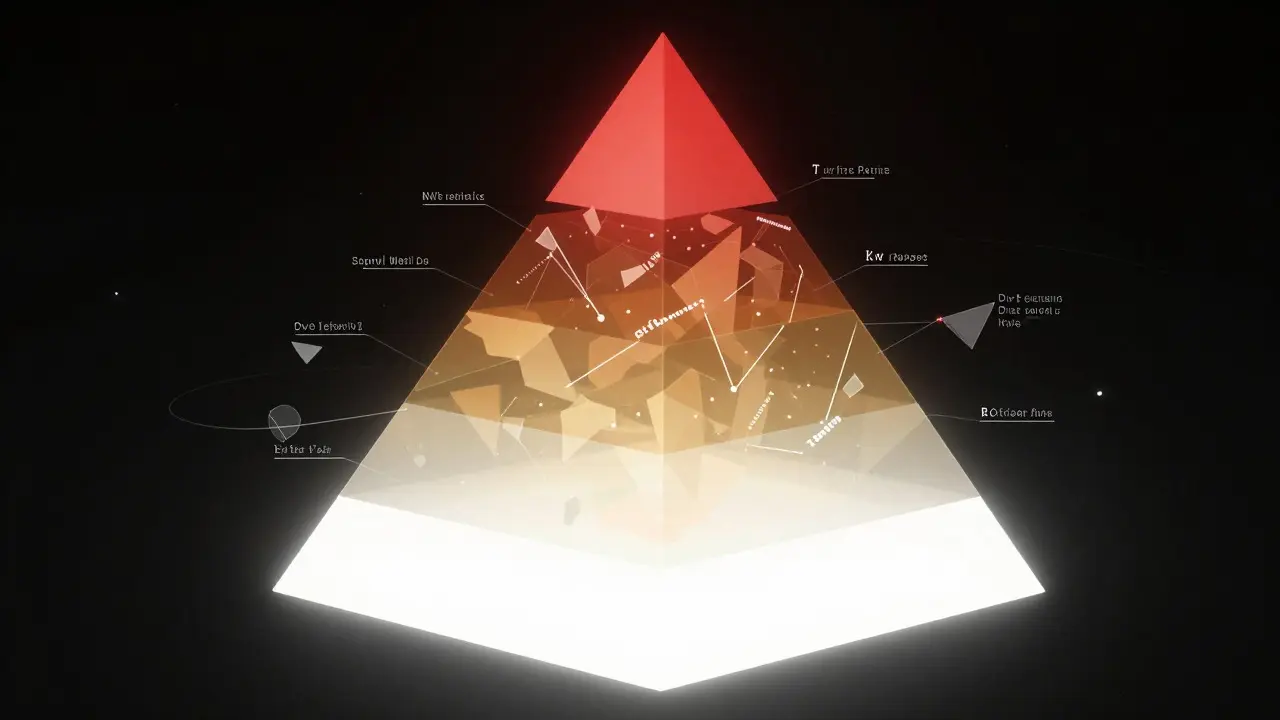
Not all sources are created equal when it comes to scientific accuracy. Understanding the hierarchy helps you choose the right reference for the job. Here is how editors generally view source reliability in scientific contexts:
- Peer-Reviewed Journals is the gold standard for original research findings, such as Nature, Science, or specialized field-specific journals.
- Systematic Reviews and Meta-Analyses is highly valuable for summarizing trends across multiple studies, reducing bias from single experiments.
- Government and Institutional Reports is reliable for data sets, statistics, and regulatory information, such as reports from NASA, CDC, or NIH.
- Textbooks is useful for established, uncontroversial facts but less suitable for cutting-edge discoveries.
- News Media is acceptable only for reporting on events (like a grant award) or when no other source exists, but always link to the primary study if possible.
A common mistake is relying too heavily on news articles. While they make great hooks for readers, they rarely contain the methodological details needed to verify a scientific claim. Always ask yourself: does this source present the data, or just the headline?
Choosing the Right Citation Format
Wikipedia uses a flexible citation system powered by templates, which ensures consistency while allowing for different types of sources. You don’t need to memorize complex bibliographic styles like APA or MLA. Instead, use the built-in templates that automatically format the citation for you. The two most critical templates for STEM articles are <ref> tags combined with journal-specific parameters.
For example, citing a journal article looks like this:
- Identify the DOI (Digital Object Identifier). This is the unique digital fingerprint of the paper.
- Use the
{{cite journal}}template. - Fill in the required fields: last name, first name, title, journal, volume, issue, pages, date, and DOI.
If you don’t have a DOI, you can use the PMID (PubMed ID) for biomedical papers or the URL for stable web resources. Consistency matters more than perfection. If one section cites using DOIs and another uses URLs, it creates visual clutter and makes verification harder for other editors.
Common Pitfalls to Avoid
Even experienced editors stumble into these traps. Watch out for them:
- Citing Preprints: Papers on arXiv or bioRxiv are preprints, meaning they haven’t undergone full peer review. They are acceptable for very recent developments but must be labeled as such. Never use a preprint as the sole source for an established fact.
- Over-citing One Source: If 80% of your references come from a single author or institution, the article may appear biased. Diversify your sources to show a balanced consensus.
- Vague Attribution: Saying "studies show" without linking to the specific study is a red flag. Every claim needs a direct pointer to the evidence.
- Ignoring Version Control: If you cite a PDF from a university website, ensure the link is permanent. Use the Wayback Machine or archive links if the original site might change.
Practical Workflow for Adding Citations
Here is a step-by-step approach to integrating citations smoothly into your editing process:
- Draft First: Write the content based on your knowledge, marking uncertain claims with question marks.
- Verify Claims: Go to PubMed, Google Scholar, or the journal’s official site to find the primary source for each marked claim.
- Insert Templates: Copy the citation template from Wikipedia’s help pages and fill in the metadata. Most databases provide a "Cite this" button that generates the basic info.
- Check Formatting: Preview the page to ensure the references list looks clean and uniform.
- Tag the Article: If the article lacks citations, add the {{no more refs}} tag temporarily to alert others to help.
This workflow prevents the frustration of rewriting paragraphs after finding better sources. It also builds a habit of verifying before committing text to the live encyclopedia.

Comparison of Citation Methods
| Method | Best For | Reliability Level | Key Requirement |
|---|---|---|---|
| DOI via Cite Journal | Original Research | High | Valid DOI number |
| PMID via Cite Journal | Biomedical Studies | High | PubMed Indexing |
| URL via Cite Web | Government Data / Reports | Medium-High | Stable Link + Access Date |
| Preprint Link | Breaking News / New Findings | Low-Medium | Explicit Labeling as Preprint |
Frequently Asked Questions
Can I use my own research to cite a Wikipedia article?
Generally, no. Wikipedia discourages self-citation unless the work has been published in a reputable, independent peer-reviewed journal. Even then, it should be used sparingly to avoid perceived bias. Focus on third-party validation instead.
What if a scientific fact is controversial?
Present both sides fairly. Cite the leading proponents of each view with high-quality sources. Use phrases like "Some researchers argue..." and "Others counter that..." to maintain neutrality. Ensure the weight of evidence is reflected in the length and prominence of the sections.
How do I handle paywalled articles?
You don’t need access to the full text to cite it. Use the abstract, title, and metadata from the publisher’s site or database like PubMed. As long as the citation points to the correct record, it is valid. Readers can decide whether to access the full text themselves.
Is it okay to cite a YouTube video by a professor?
Only if the video itself is the primary source of information, such as a lecture where new data is presented for the first time. Otherwise, find the underlying paper or textbook. Video lectures are considered tertiary sources and are weak for verifying specific scientific claims.
How many citations does a good STEM article need?
There is no fixed number. However, a well-sourced article typically has a citation for every non-obvious claim. If a paragraph contains three distinct facts, it should ideally have three corresponding references. Density matters more than total count.