Academic Integrity on Wikipedia: How Reliable Sources and Education Programs Keep Knowledge Honest
When we talk about academic integrity, the commitment to honesty, fairness, and responsibility in using and sharing knowledge. Also known as scholarly ethics, it’s what keeps Wikipedia from becoming a playground for unverified claims or student shortcuts. On Wikipedia, academic integrity isn’t just a classroom rule—it’s built into the platform’s DNA. Every edit must be backed by a reliable source, and students who use Wikipedia in class are expected to trace facts back to original publications, not copy-paste from the encyclopedia itself.
This is where the Wikipedia Education Program, a structured initiative that helps professors turn student research into real public contributions comes in. Thousands of students each year improve Wikipedia articles using peer-reviewed journals, books, and official reports—not because they’re required to, but because they learn how real knowledge is built. They don’t just write for a grade; they write for millions of readers. And when they do, they’re trained to avoid risky sources like preprints, unreviewed research papers that haven’t passed peer evaluation, which Wikipedia explicitly bans because they can contain errors or biases that haven’t been caught yet.
It’s not just about what students do—it’s about how editors police the system. When a news article gets corrected, Wikipedia editors follow up. When a journal retracts a study, Wikipedia updates the article. When someone tries to sneak in a biased claim from a blog or a press release, edit filters and experienced volunteers step in. The system works because it’s designed around reliable sources, materials that have been vetted by experts, published by reputable organizations, and held to editorial standards. That’s why journalists use the Wikipedia Library, a free access program that gives them legal entry to paywalled academic databases—so they can cite real research, not Wikipedia.
And it’s not just about blocking bad content. It’s about building better contributors. Mentorship programs help new editors understand why sourcing matters. WikiProjects organize volunteers to assess article quality. The Signpost tracks how often Wikipedia is misquoted in the press—and then teaches reporters how to get it right. Every tool, policy, and training session ties back to one goal: making sure what’s on Wikipedia is what the world can trust.
What you’ll find below isn’t just a list of articles. It’s a map of how Wikipedia turns academic principles into real-world practice—how students become editors, how researchers become sources, and how a global community defends truth one edit at a time.
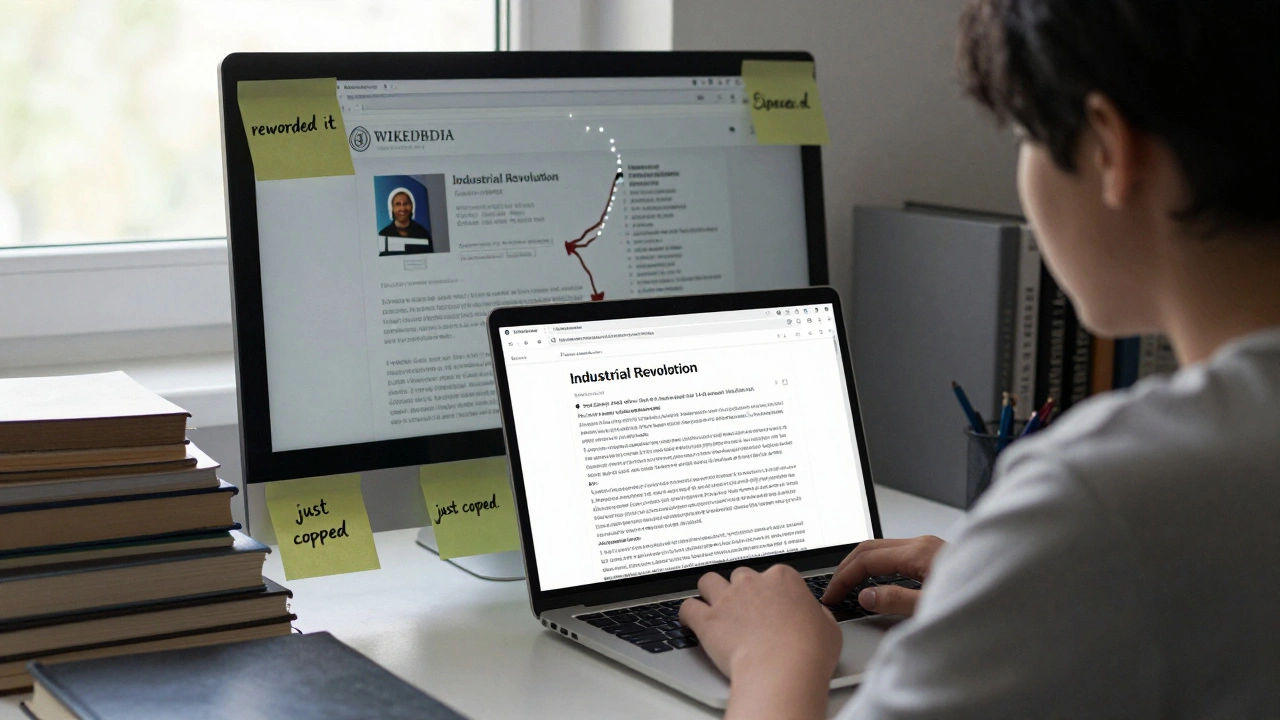
Academic Integrity and Wikipedia: How to Use Wikipedia Without Plagiarism
Wikipedia is a powerful tool for understanding topics, but citing it in academic work leads to plagiarism. Learn how to use it as a starting point-not a source-and find credible references to back up your research with confidence.
Academic Integrity and Plagiarism When Using Wikipedia
Using Wikipedia in academic work can lead to plagiarism if you cite it directly or paraphrase without attribution. Learn how to use it responsibly as a research tool-not a source-and how to find credible alternatives for your papers.
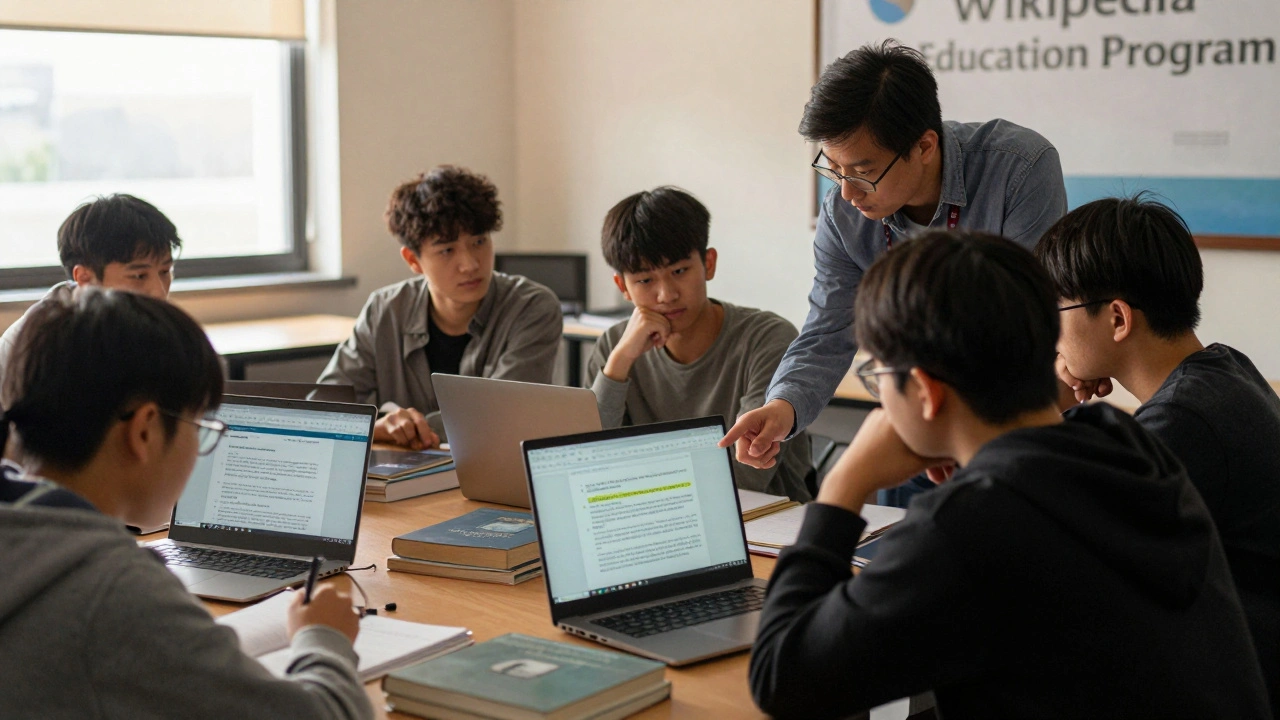
Ethics of Editing Wikipedia as Part of Academic Coursework
Students editing Wikipedia for class must follow strict ethical rules to avoid plagiarism, bias, and misinformation. Learn how to contribute responsibly with reliable sources and neutral language.