Edit Review on Wikipedia: How Volunteers Keep the Encyclopedia Accurate
When you edit a Wikipedia article, someone else will likely review your change. This is edit review, the process where experienced volunteers check new edits for accuracy, neutrality, and policy compliance. It’s not automated policing—it’s human judgment, applied daily to over 1,000 edits per minute. Without it, Wikipedia would be flooded with misinformation, spam, and biased claims. Edit review is the quiet engine that keeps the world’s largest encyclopedia trustworthy.
It works because of tools like anti-spam bots, automated systems that detect and revert obvious vandalism in seconds, and WikiProject assessment guidelines, community-driven standards that rate article quality and flag gaps in sourcing. But the real power comes from people: librarians, students, journalists, and retirees who spend hours checking citations, fixing tone, and rolling back edits that push agendas. These aren’t paid staff—they’re volunteers who treat Wikipedia like a public library they help run.
Some edits get flagged for conflict of interest, when someone edits topics they’re personally connected to without disclosing it. Others get caught for copyvio, plagiarized content lifted from websites or books. Edit review doesn’t just fix errors—it enforces fairness. When a political article gets rewritten to favor one side, or a company page gets turned into an ad, reviewers step in. They don’t have authority over you, but they have the power to undo your edit—and explain why.
And it’s not just about blocking bad edits. Good edits need review too. A new citation added by a student? A typo fixed by a mobile user? A well-researched paragraph on a local event? Reviewers help those edits stick by improving them, adding context, or simply saying thanks. That’s how Wikipedia grows: not by one person writing perfectly, but by many people helping each other get better.
Behind every clean article, every reliable fact, every neutral tone—you’ll find an edit review. It’s not glamorous. It doesn’t trend on social media. But without it, Wikipedia wouldn’t be Wikipedia. Below, you’ll find real guides from editors who do this work every day: how to spot problems, how to review like a pro, and how to make sure your own edits survive the review process.
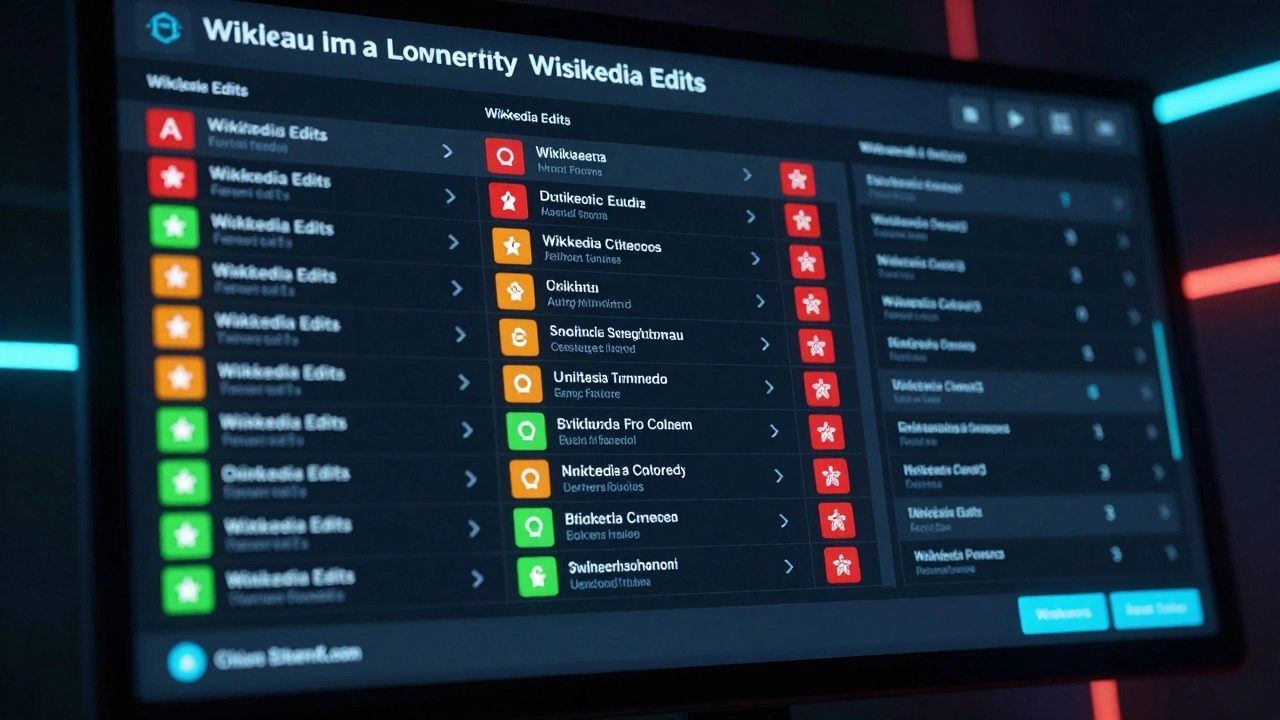
Recent Changes Patrol Tools on Wikipedia Explained
Recent Changes Patrol tools help volunteers review Wikipedia edits in real time, catching vandalism and improving accuracy. These tools let anyone with an account contribute to keeping Wikipedia reliable - no expertise needed.
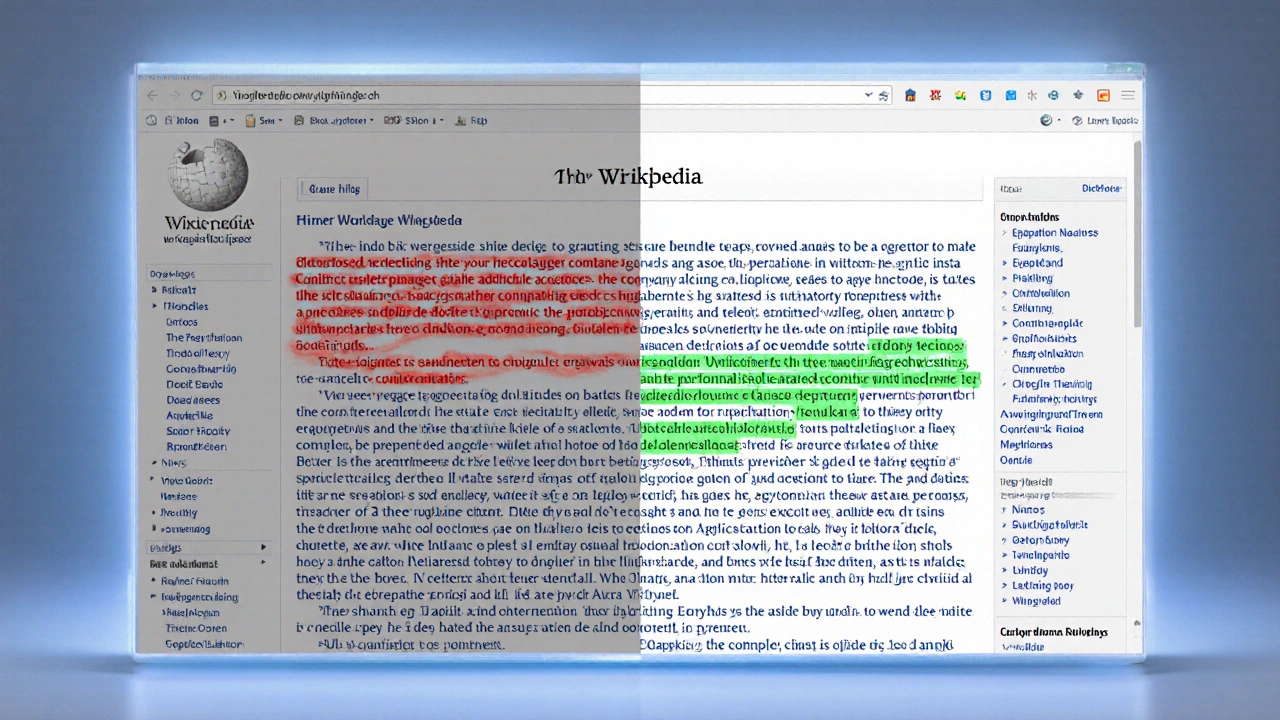
How to Review Edits on Wikipedia Using Diff and History Interfaces
Learn how to use Wikipedia's diff and history tools to track changes, spot vandalism, and understand how articles evolve over time. Essential for anyone who relies on Wikipedia for accurate information.