Wikipedia classroom: How educators use Wikipedia for teaching and learning
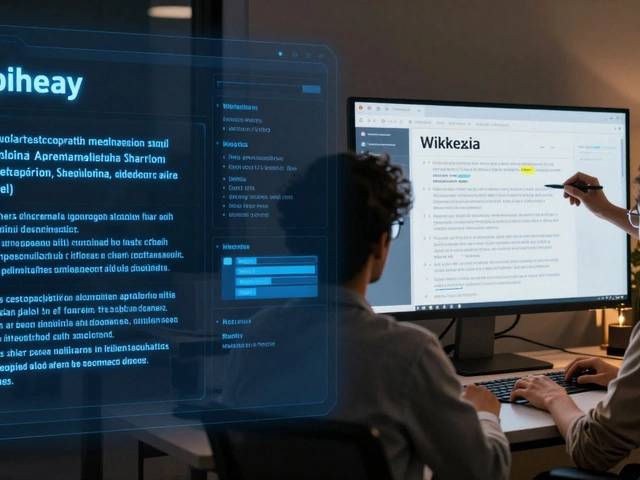
When teachers use Wikipedia classroom, a growing movement where educators assign Wikipedia editing as part of coursework to build research, writing, and critical thinking skills. Also known as Wikipedia in education, it turns students from passive readers into active contributors to the world’s largest free knowledge base. This isn’t just about copying and pasting—it’s about learning how to verify sources, write neutrally, and understand what makes information trustworthy.
Many universities and high schools now run Wikipedia assignments, structured projects where students research and write or improve Wikipedia articles on topics tied to their curriculum. These assignments are often supported by The Wikipedia Library, a program that gives students and educators free access to paywalled academic journals and archives to cite properly. It’s not about replacing textbooks—it’s about teaching students how knowledge is built, challenged, and updated. Teachers report that students who edit Wikipedia remember facts longer, understand bias better, and become more careful consumers of online information.
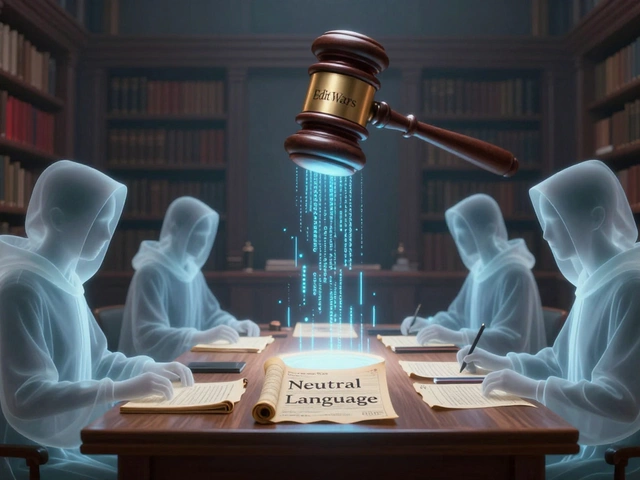
But it’s not all smooth. Some students struggle with Wikipedia’s strict sourcing rules. Others get discouraged when their edits get reverted. That’s why successful programs pair editing tasks with training on Wikipedia policies, the community-driven guidelines that ensure accuracy, neutrality, and reliability across all articles. Educators who use Wikipedia well don’t just tell students to "edit"—they teach them how to find reliable sources, spot vandalism, and write for a global audience. The result? Students learn more than just history or biology—they learn how to participate in public knowledge.
Behind every successful Wikipedia classroom is a network of volunteers, training modules, and institutional support. From Edit-A-Thons, local events where students and teachers gather to improve articles together, to dedicated Wikipedia education programs, organized efforts that provide lesson plans, grading rubrics, and mentorship for instructors, the infrastructure is there. You don’t need to be a tech expert to start. You just need to care about helping students think critically and contribute meaningfully.
What you’ll find in the articles below are real stories from classrooms, tools that make editing easier, and lessons learned from teachers who’ve been there. You’ll see how Wikipedia helps students in rural schools, how it’s used in journalism courses, and why some universities now count Wikipedia edits as official academic work. This isn’t theory—it’s happening right now, in real classrooms around the world.
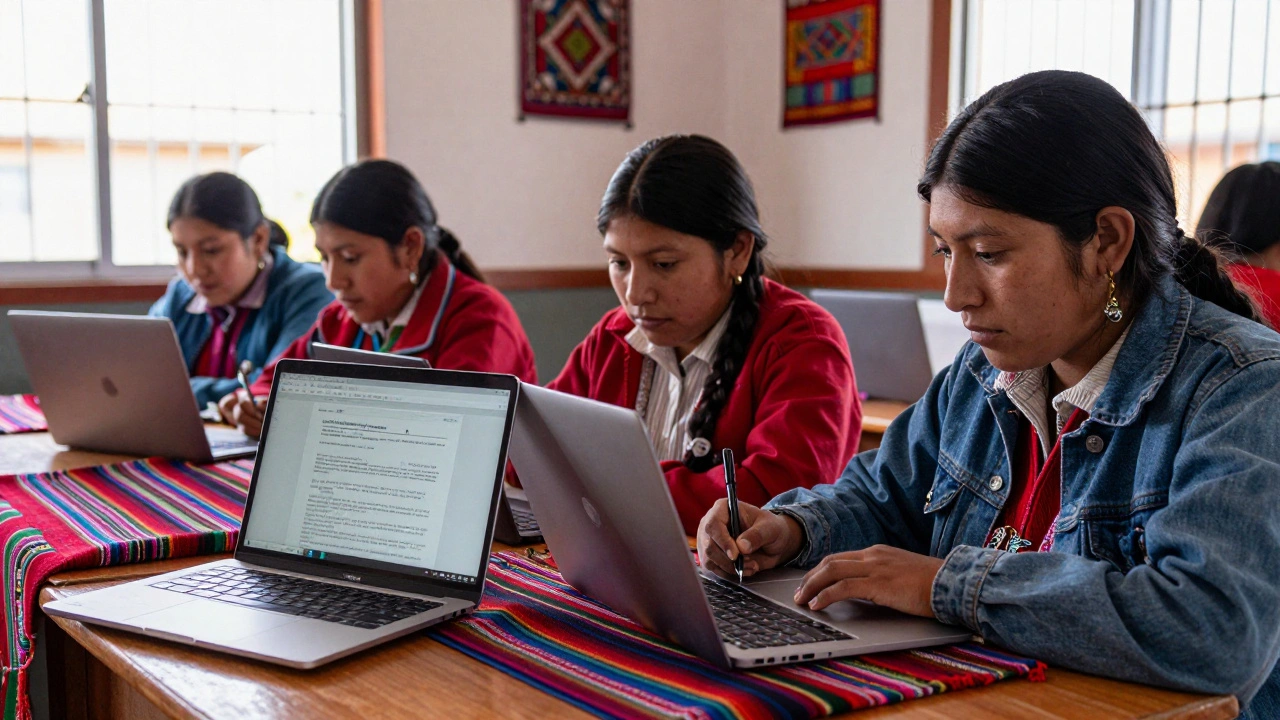
Multilingual Education with Wikipedia: Classroom Implementation Guide
Discover how schools worldwide use Wikipedia to teach languages and preserve cultural heritage. Learn practical steps for educators, real-world examples, and how this approach boosts student engagement and digital skills.
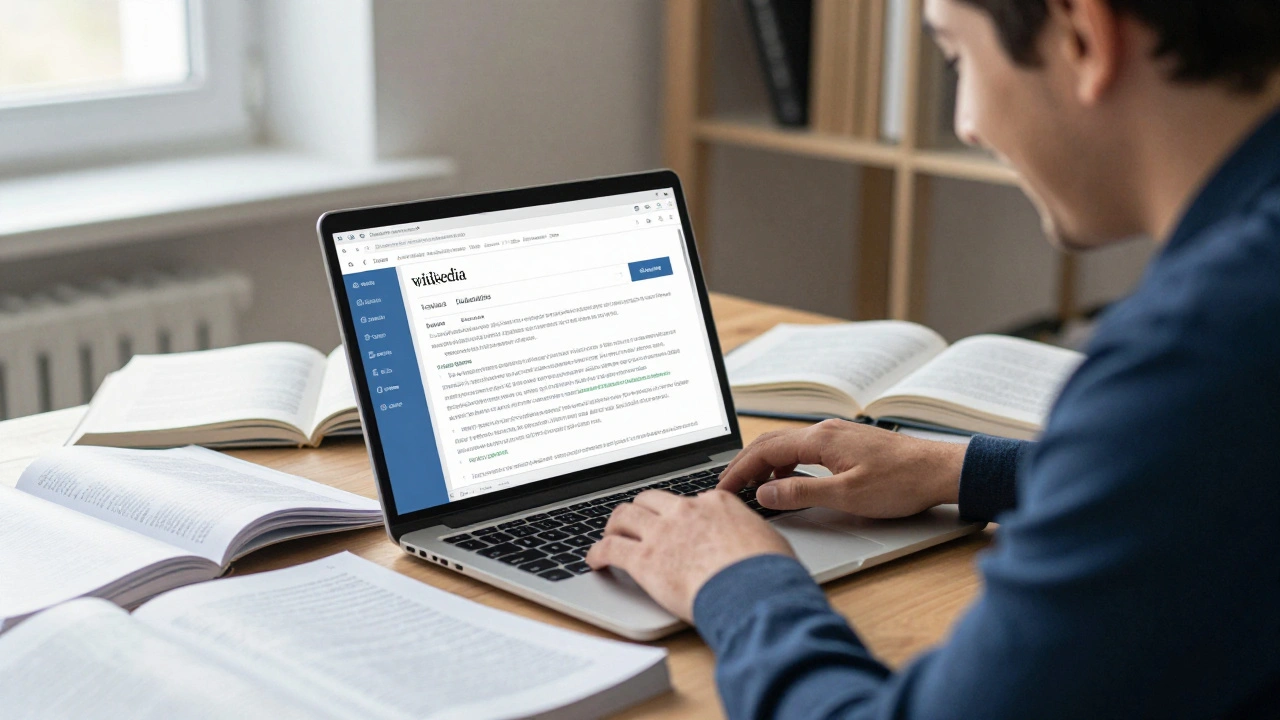
Wikipedia Education Program for Teachers and Professors
The Wikipedia Education Program helps teachers and professors turn student research into real public knowledge. Students improve Wikipedia articles with academic sources, gaining critical skills while contributing to a global resource used by millions.