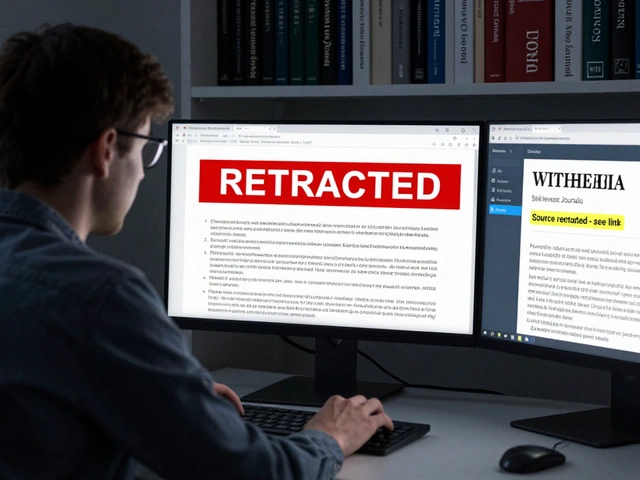
Wikipedia collaborations: How volunteers, tools, and projects work together
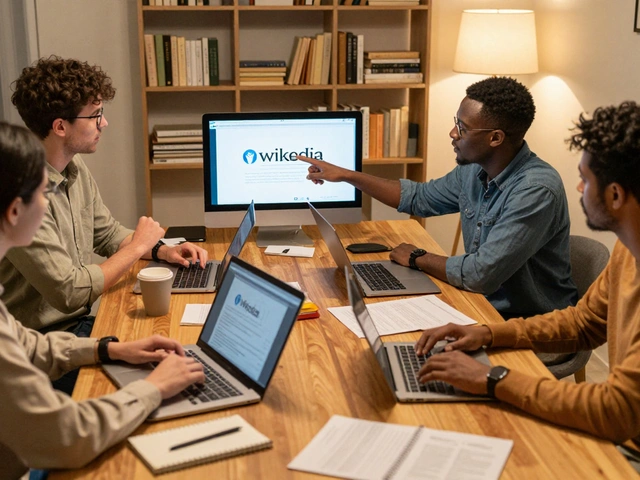
When you think of Wikipedia, you might picture one person typing away alone—but the real story is far more connected. Wikipedia collaborations, the organized efforts between editors, tools, and sister projects to build and maintain free knowledge. Also known as community-driven knowledge building, these collaborations turn isolated edits into coordinated action that keeps the encyclopedia accurate, growing, and accessible to billions. It’s not just about writing articles. It’s about teachers guiding students to improve Wikipedia, journalists using the Wikipedia Library, a free resource giving journalists access to paywalled research without paying or editing Wikipedia to fact-check stories, and volunteers using tools like Huggle, a real-time system that helps editors quickly spot and undo vandalism to protect content from spam. These aren’t side projects—they’re the backbone of how Wikipedia stays reliable.
Behind the scenes, Wikidata, a central database that stores structured facts used across all Wikipedia language editions acts like the nervous system of the whole network. When someone updates the population of Berlin in English Wikipedia, Wikidata pushes that change to German, Arabic, and Swahili versions automatically. Meanwhile, Wikinews, a volunteer-run news site that publishes original reporting with the same open-editing model as Wikipedia gives real-time context to breaking events, while the Wikipedia Education Program, a global initiative where professors assign students to improve Wikipedia articles using academic sources turns classrooms into knowledge factories. These aren’t isolated efforts. They feed into each other. A student writing a paper on climate policy might cite a peer-reviewed journal from the Wikipedia Library, then add a summary to Wikipedia, which gets linked to a Wikidata entry, which gets used by a Wikinews reporter covering the same topic. It’s a living chain of trust.
And it’s not just tech or academia. It’s local. Edit-a-thons in Nigeria, training sessions in Indonesia, and outreach to Indigenous communities aren’t just about adding articles—they’re about fixing a global imbalance. Right now, most Wikipedia content reflects the interests and languages of the Global North. Collaborations are slowly changing that. Tools like Content Translation help editors turn articles from English into Bengali or Quechua. Community guidelines ensure edits stay neutral. Even the way administrators are elected has changed to favor experience over popularity, making the system more stable. You don’t need to be a coder or a professor to join. You just need to care about getting facts right. Below, you’ll find real examples of how these collaborations work in practice—from how teachers use Wikipedia in class, to how journalists avoid citing it poorly, to how volunteers fight misinformation faster than any algorithm can.
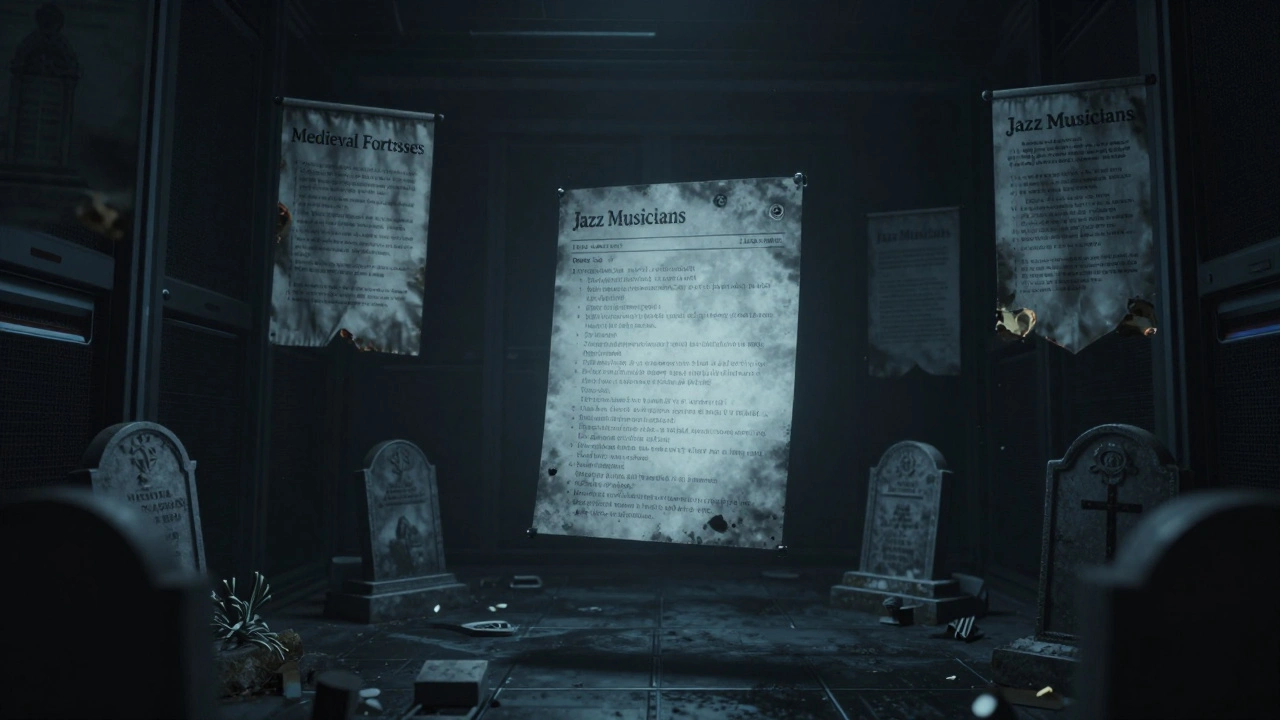
Why WikiProject Inactive Projects Fade: The Real Reasons Collaborations Die on Wikipedia
Why do WikiProjects on Wikipedia fade away? It's not lack of interest-it's poor support systems, burnout, and no clear path for new editors. Learn what keeps a few thriving-and how you can help revive others.
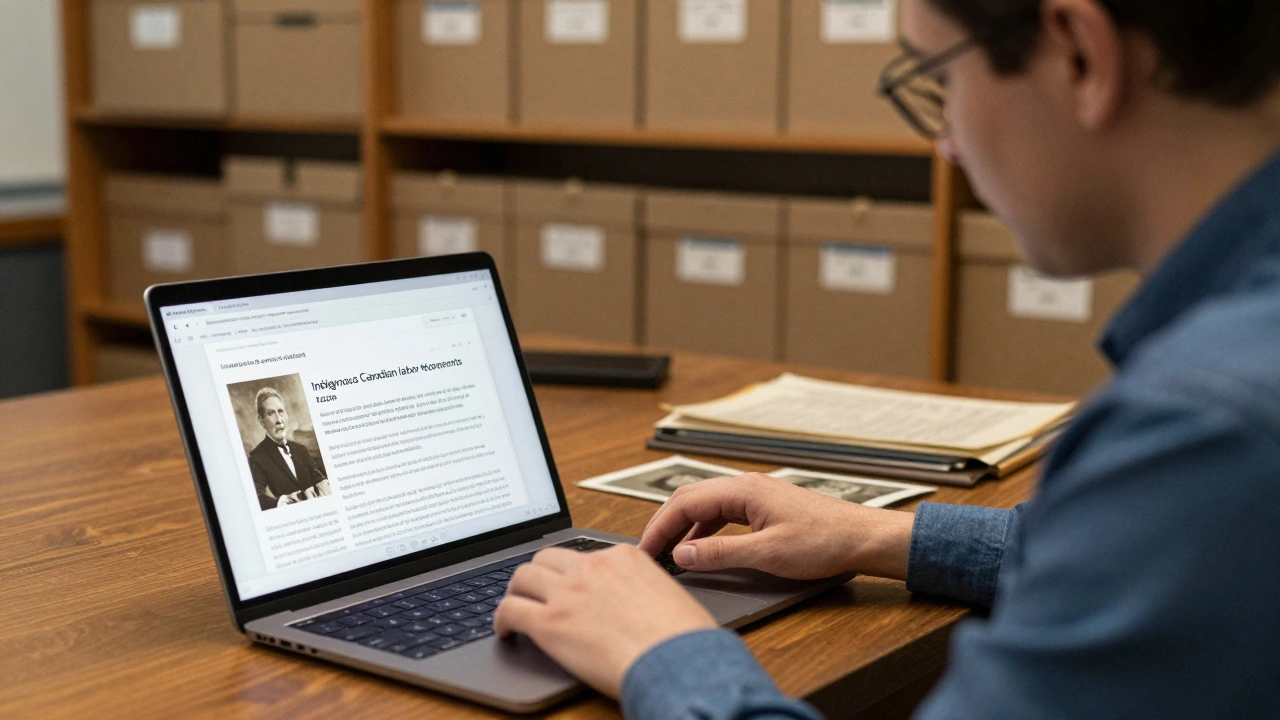
GLAM-Wiki Partnerships: Recent Collaborations with Wikipedia
GLAM-Wiki partnerships connect museums, libraries, and archives with Wikipedia to improve public knowledge. Recent collaborations have expanded access to cultural heritage, corrected historical biases, and empowered underrepresented communities.