Wikipedia coverage: How news, policy, and community shape what you read
When you read about a breaking event on Wikipedia coverage, the collective effort to document real-world events through open collaboration and verified sources. Also known as Wikipedia news reporting, it’s not a static archive—it’s a living system shaped by thousands of volunteers who chase accuracy faster than most newsrooms can. Unlike traditional media, Wikipedia doesn’t publish first and correct later. It corrects while it publishes. Every edit, every talk page debate, every rollback is part of a quiet but relentless effort to keep the record straight.
This system works because of three things: Wikipedia editing, the process of collaboratively building and refining articles using community-driven policies, Wikipedia reliability, the measurable trustworthiness of content based on citation standards and edit history transparency, and Wikimedia Foundation, the nonprofit that supports infrastructure, tools, and legal protection for free knowledge projects. These aren’t abstract ideas—they’re daily practices. When a major news outlet issues a correction, it triggers updates across hundreds of Wikipedia articles. When a film drops, pageviews spike and editors scramble to update cast lists, box office numbers, and fan reactions—all before the morning news. When a scholar tries to promote their own paper, they’re told to step back and let neutral editors handle it. That’s not censorship. That’s accountability.
Wikipedia coverage doesn’t just reflect the world—it reacts to it. It’s shaped by edit filters that block vandalism on high-profile pages, by mentorship programs that keep new editors from quitting, and by tools like Huggle that let volunteers revert spam in seconds. It’s built on talk pages where strangers argue over sources, on WikiProjects that organize thousands of articles by topic, and on Wikidata that syncs facts across 300+ language editions. It’s also limited: oral histories get ignored, local knowledge gets filtered out, and think tanks get scrutinized like biased sources. That’s not a flaw—it’s a design choice. Wikipedia chooses verifiability over completeness, and that’s why millions trust it more than any single news site.
What you’ll find below isn’t just a list of articles. It’s a behind-the-scenes tour of how Wikipedia stays accurate, how it handles pressure from media and governments, and how ordinary people keep it running without paychecks or headlines. You’ll see how news corrections ripple through the system, how editors fight AI exploitation, and why a single tweet about a celebrity death can trigger a 48-hour editing marathon. This is the real story of Wikipedia coverage—not what’s on the page, but how it got there.
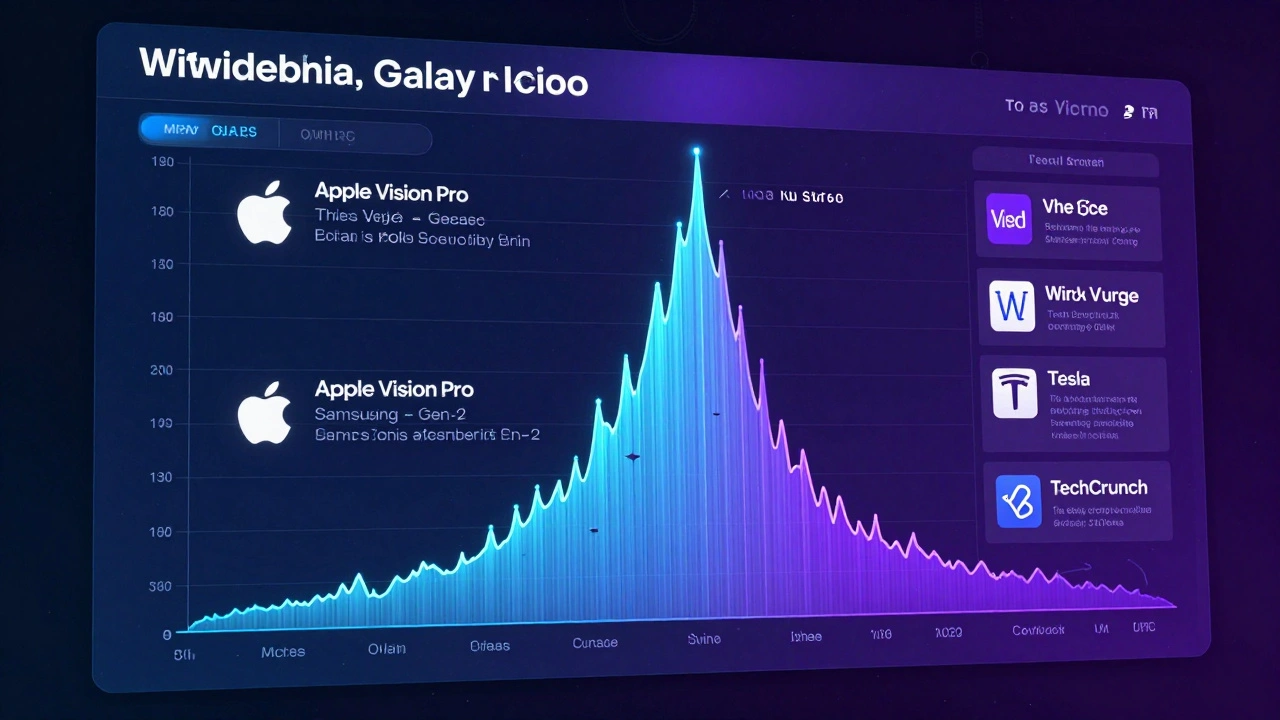
Tech Product Launches and Wikipedia Coverage Surges
Tech product launches now trigger massive surges in Wikipedia page views and edits, turning the platform into the go-to source for public information. Learn how media coverage, community editing, and notability rules shape what gets documented-and why companies care.
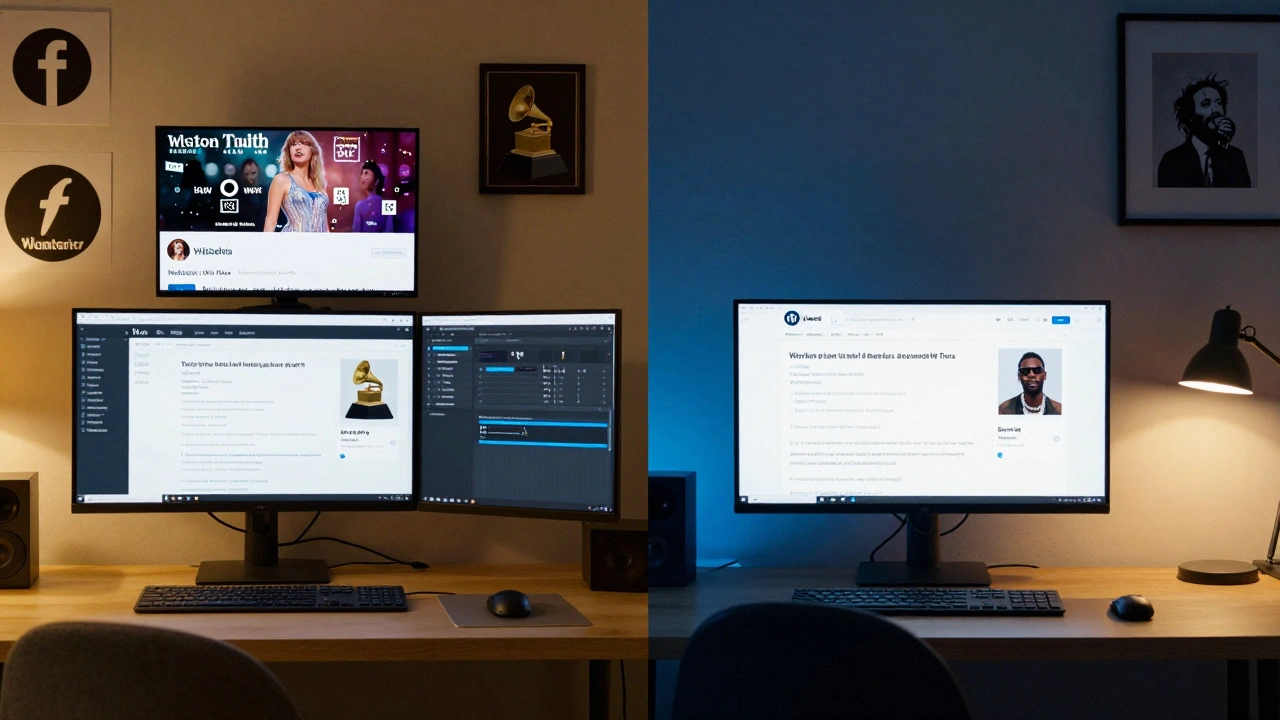
Music Awards and Concert Tours: How Wikipedia Tracks Coverage Trends
Wikipedia's coverage of music awards and concert tours reveals cultural biases, fan-driven editing, and global gaps in documentation. Major events get detailed records-but many artists and regions remain invisible.
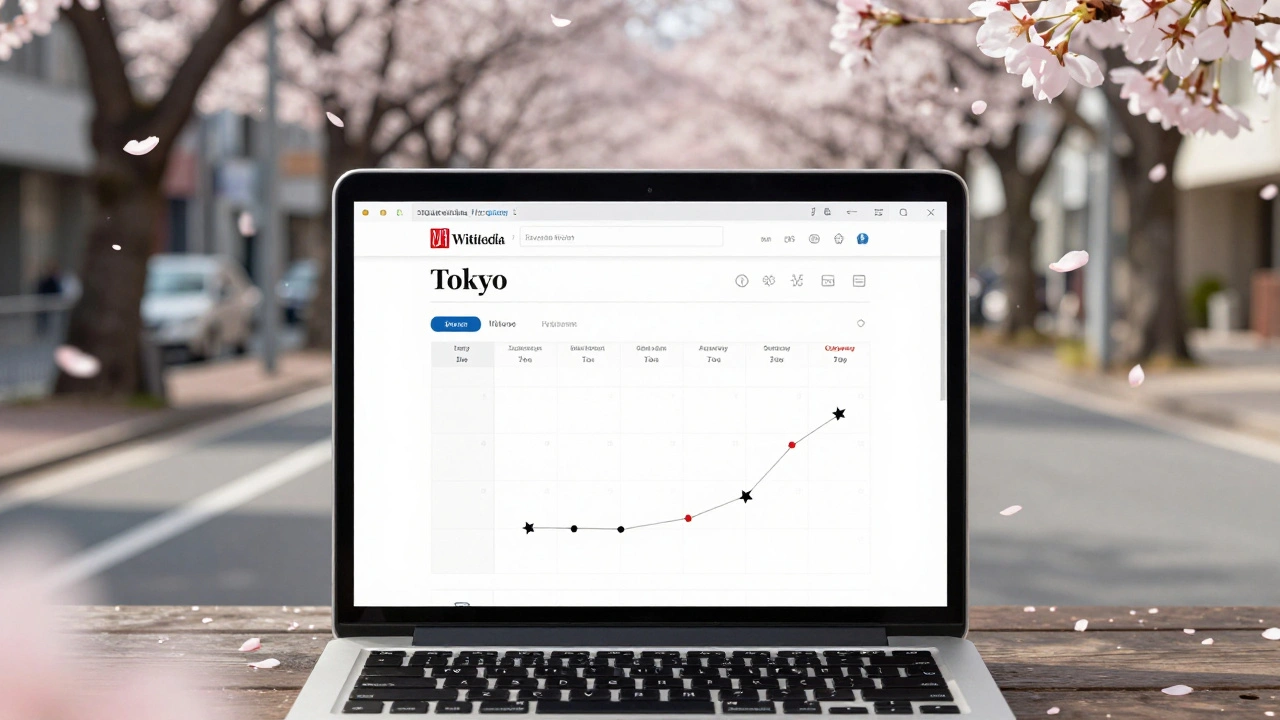
How Tourism Seasons Shape Wikipedia Destination Pages
Wikipedia destination pages reflect real-world tourism seasons through edits, updates, and user contributions. Learn how travel patterns shape content - and how you can help make them more accurate.