Wikipedia languages: How multilingual editions shape global knowledge
When you think of Wikipedia, you might picture the English version—but Wikipedia languages, the over 300 separate versions of Wikipedia in different languages, each built by local communities with their own rules, priorities, and knowledge gaps. Also known as Wikipedia editions, these versions aren’t just copies—they’re independent encyclopedias with wildly different content, editor bases, and even cultural focus. The Hindi Wikipedia has more articles than the Swedish one. The Japanese version covers anime and manga in depth, while the Yoruba edition includes local oral histories rarely found elsewhere. This isn’t about size—it’s about who gets to write history, and what they decide matters.
Behind every language edition is a content coverage, the depth and breadth of topics documented in a specific language version, shaped by local interests, access to sources, and editor availability. Also known as article breadth, it determines whether your language can tell the full story of your region, science, or culture. A 2023 study found that while English Wikipedia has over 6.5 million articles, the Swahili version has under 100,000—and many of those cover basic geography, not local medicine, politics, or music. That’s not a failure of effort—it’s a failure of support. Tools like content translation improvements, Wikipedia’s AI-assisted tools that help editors draft articles in one language and adapt them for another with auto-citations and image matching. Also known as translation workflow tools, they’re helping bridge gaps, but they can’t fix the lack of editors in underrepresented regions. Without people writing in their own language, even the best tools stay unused.
Then there’s language parity, the effort to ensure all language editions have similar depth and quality in key topics, not just volume. Also known as coverage equity, it’s why some Wikipedia editors track whether a page about climate change in Swahili has the same detail as its English counterpart. Parity isn’t about matching article counts—it’s about making sure your grandmother in Lagos, your cousin in Manila, or your neighbor in Kyiv can find the same level of reliable, detailed knowledge as someone in New York or London. That’s why recent outreach programs focus on training editors in rural India, West Africa, and Southeast Asia—not just to add more articles, but to fix what’s missing.
Wikipedia’s real power isn’t in one language. It’s in the sum of all its parts. The posts below show how editors are using translation tools, running edit-a-thons in remote towns, measuring gaps between language editions, and fighting geographic bias to make sure knowledge isn’t just global—but truly shared.
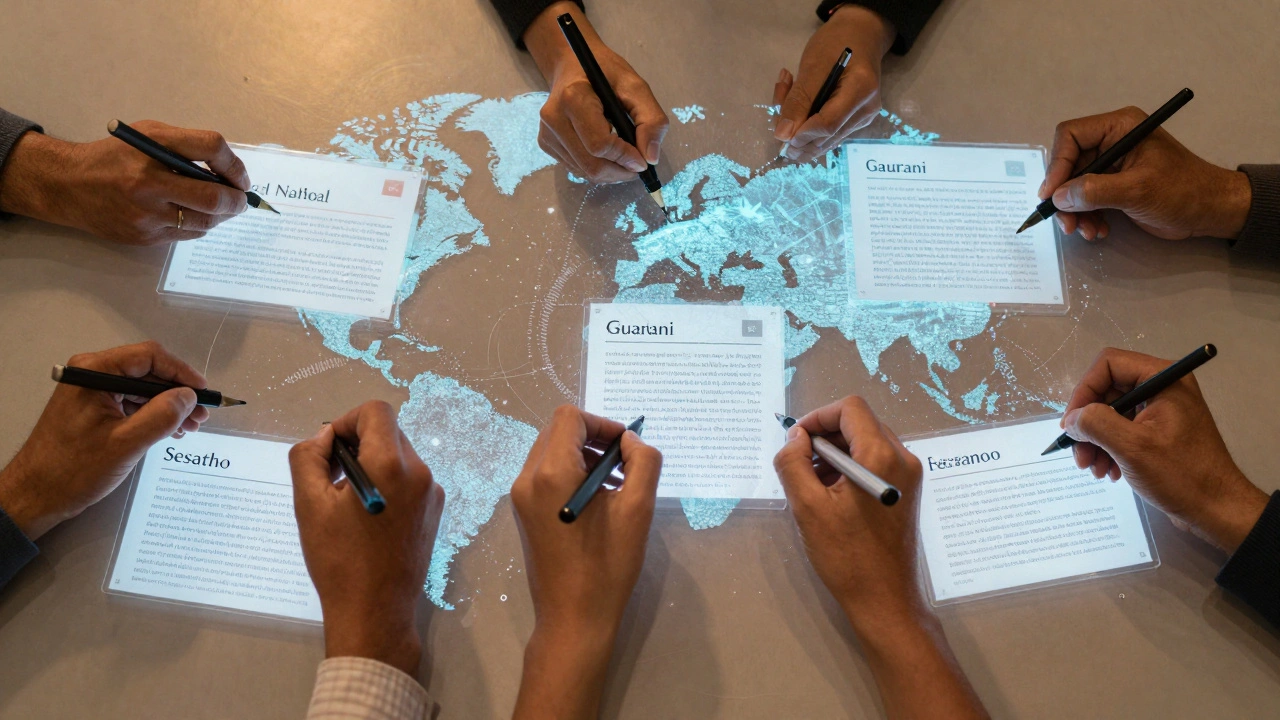
Wikipedia Across 300+ Languages: The Global Encyclopedia Project
Wikipedia exists in over 300 languages, each built independently by local volunteers. It’s not a translation project-it’s a global network of knowledge rooted in culture, language, and community.
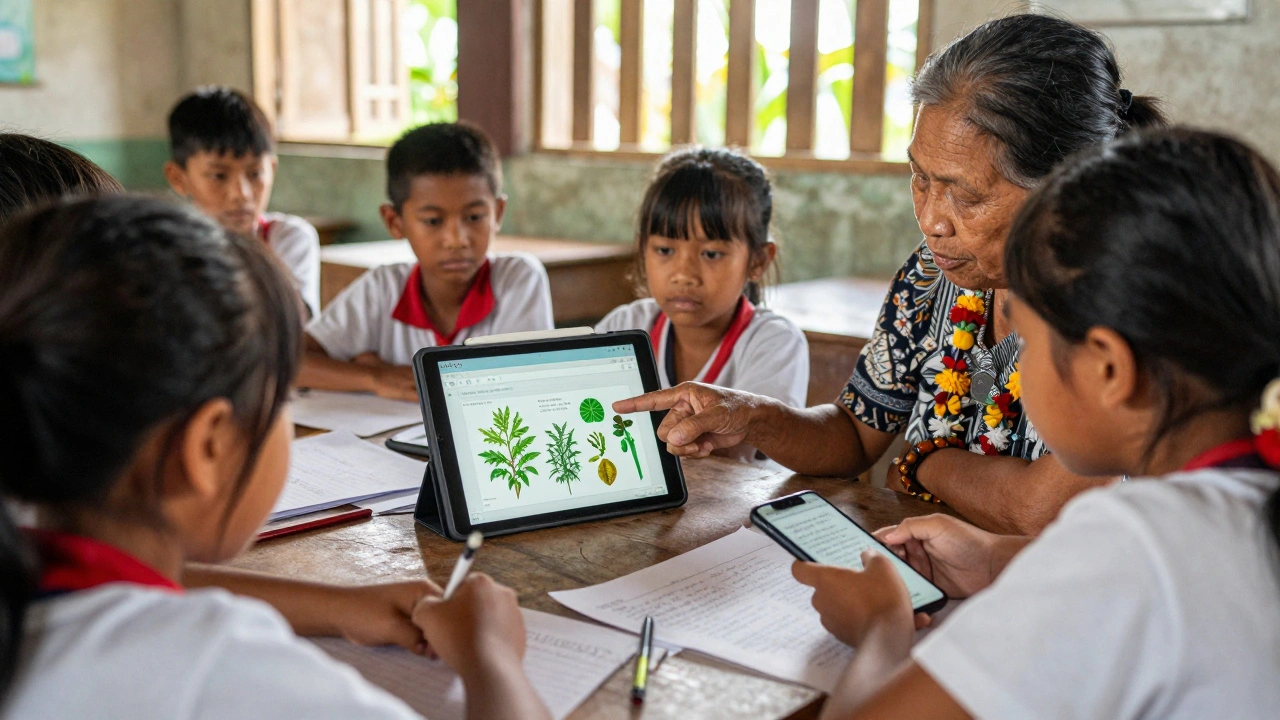
How Wikimedia Foundation Supports Smaller Language Communities on Wikipedia
The Wikimedia Foundation supports hundreds of small-language Wikipedias through grants, translation tools, and community training - helping preserve languages that tech companies ignore.
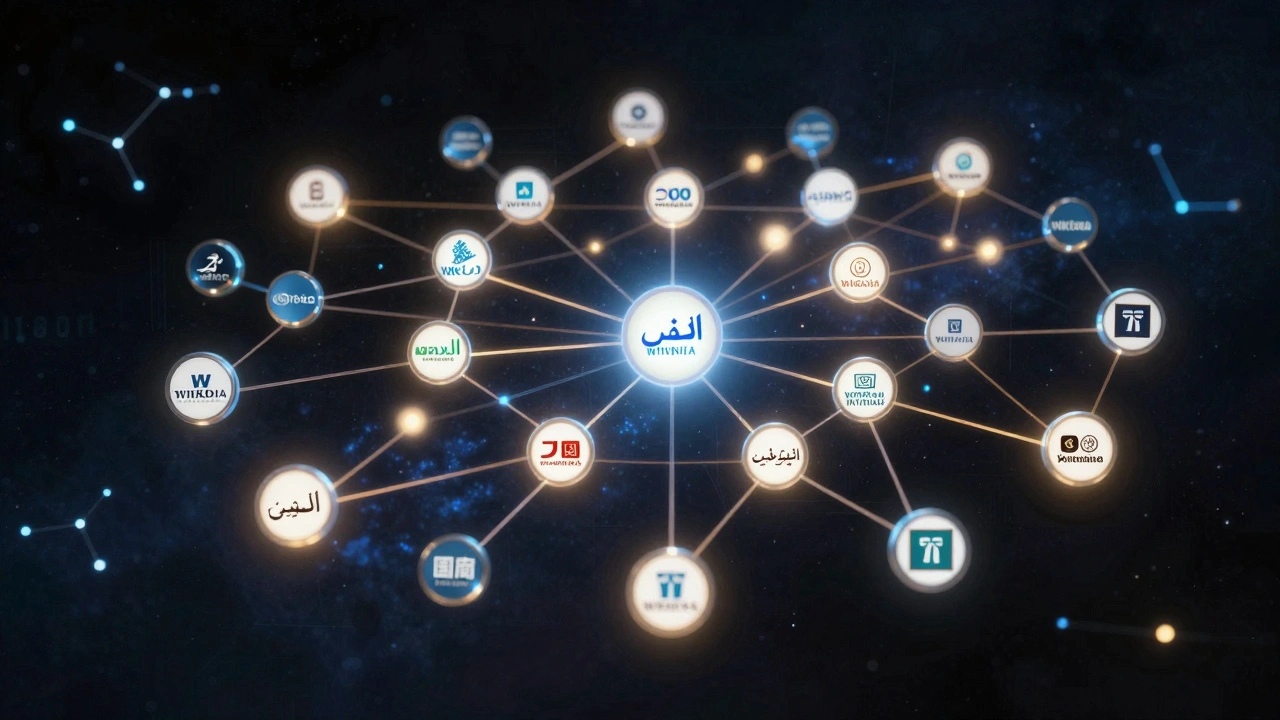
Wikidata as a Bridge: Connecting Wikipedia Languages with Shared Facts
Wikidata connects over 300 Wikipedia language editions by storing shared facts in one central database, ensuring consistency and enabling smaller language communities to access accurate, up-to-date information without manual translation.