Wikipedia mentorship: Guide to guiding new editors and building community
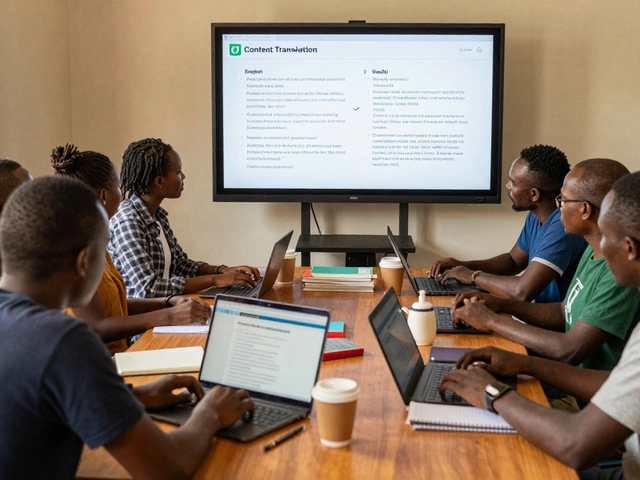
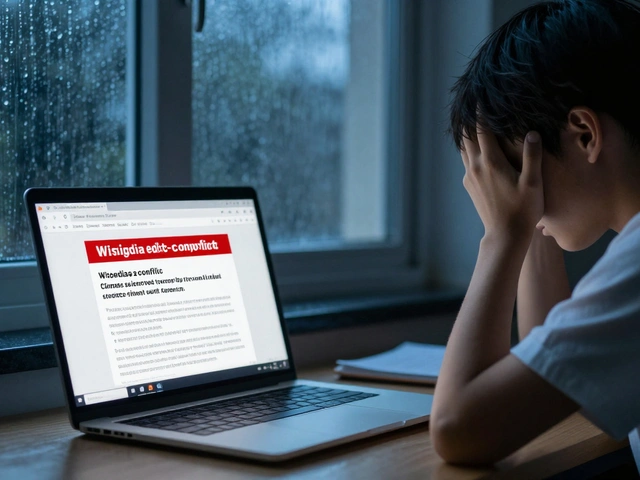
When someone first tries to edit Wikipedia, they’re often overwhelmed—rules, formatting, sourcing, edit wars, and the fear of getting reverted. That’s where Wikipedia mentorship, a structured way experienced editors help newcomers learn how to contribute effectively. Also known as editor onboarding, it’s not just about fixing typos—it’s about teaching how to think like a Wikipedian. Without mentorship, many new editors quit after their first edit gets rejected. But with a patient guide, they learn to cite sources, write neutrally, and understand the unwritten norms that keep Wikipedia running.
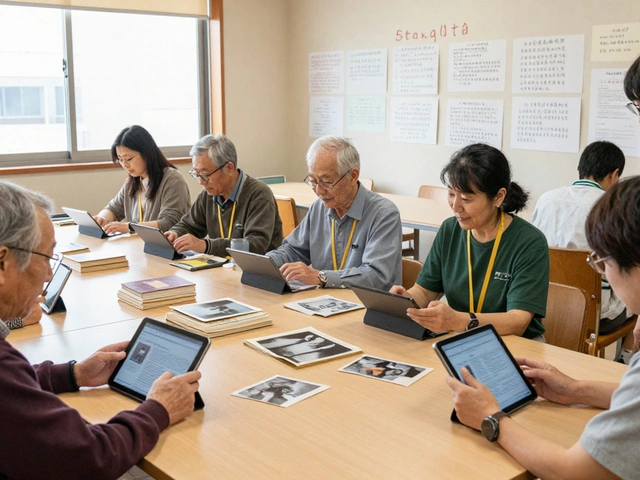
Good mentorship doesn’t happen by accident. It relies on tools like WikiProject tools, systems that help organize editing efforts around topics like history, science, or film, and programs like the Wikipedia Education Program, where professors assign students to improve articles using academic sources. Mentors use these to point new editors toward real tasks: expanding stubs, adding citations, or cleaning up vandalism. They don’t just tell newcomers what to do—they show them how to do it, often through direct talk on talk pages or live chat.
It’s not just about one-on-one help. Mentorship is also about culture. The best mentors don’t yell when someone messes up. They explain why a source isn’t reliable, why a section needs more context, or how to avoid bias. They link to policies like Wikipedia’s reliable sources guideline, which tells editors what counts as trustworthy information, and they point to real examples from past edits. This builds confidence. It turns fear into curiosity.
And it works. Studies show that mentored editors are five times more likely to keep editing after their first month. They stick around because they feel welcomed, not attacked. That’s why mentorship isn’t a luxury—it’s a survival tool for Wikipedia. As editor numbers decline, the people who stay are often the ones who had someone take the time to explain things. This isn’t about training volunteers. It’s about growing a community that lasts.
Below, you’ll find real stories and practical guides from editors who’ve been there. From how to handle your first edit rejection, to using Huggle to spot vandalism, to joining a journalist roundtable to improve news coverage—each post shows a different way mentorship shows up on Wikipedia. You’ll see how it connects to article assessments, edit filters, and even fundraising banners. It’s all part of the same system: one person helping another learn how to make knowledge better for everyone.
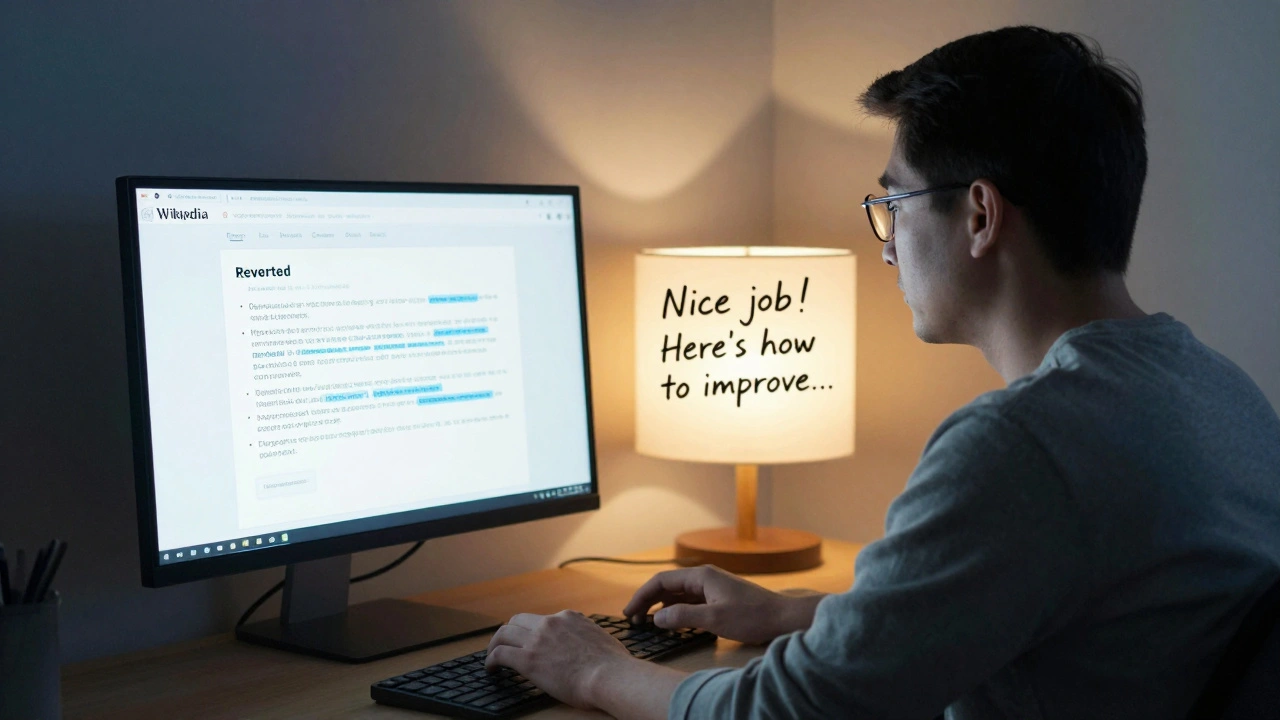
How Mentorship Keeps Wikipedia Editors Coming Back
Mentorship is the hidden force behind Wikipedia’s most loyal editors. Simple, kind feedback turns new contributors into lifelong volunteers-and keeps the encyclopedia alive.
How Mentorship and Coaching Programs Boost Wikipedia Editor Retention
Mentorship and coaching programs on Wikipedia significantly improve editor retention by offering personal support, reducing feelings of isolation, and helping newcomers navigate complex community norms. Data shows those with guidance are far more likely to stay and become leaders.