Wikipedia templates: What they are, how they work, and why they matter
When you see a box at the top of a Wikipedia article with key facts like birth dates, population numbers, or film ratings, that’s a Wikipedia template, a reusable piece of code that formats and organizes information across articles. Also known as wikitemplates, these tools are the invisible backbone of Wikipedia’s consistency—keeping everything from biographies to scientific topics looking clean and uniform. Without them, every article would be a wild west of fonts, layouts, and missing details. Templates don’t just look nice—they make information easier to find, compare, and update.
There are dozens of template types, each with a job. Infoboxes, a specific kind of template that summarizes key data in a standardized sidebar, appear on nearly every notable person, place, or thing. Navigation boxes, templates that link related articles together in a collapsible menu at the bottom of pages help readers explore topics without searching. Then there are maintenance templates, flags that alert editors to problems like missing citations, biased language, or outdated stats. These aren’t decorations—they’re quality control tools. When you see a little yellow banner saying "This article needs more sources," that’s a template doing its job.
Templates also help automate cleanup. Bots use them to fix broken links, update dates, or flag copyvios. Editors rely on them to quickly apply consistent formatting across hundreds of articles. A single template update can fix formatting on thousands of pages overnight. And while they’re built by volunteers, they’re used by everyone—from students checking facts to journalists verifying details. They’re not flashy, but they’re essential. If Wikipedia were a city, templates would be the street signs, public transit maps, and building codes—quiet, everywhere, and impossible to ignore.
What you’ll find below is a collection of posts that dig into how these templates shape what you see—and what you don’t. From how they help fight misinformation to how they’re used in edit wars, from the bots that maintain them to the editors who design them, this isn’t just about code. It’s about how knowledge stays organized, accurate, and alive.
Infobox and Template Standards for High-Quality Wikipedia Articles
Infoboxes and templates are essential for high-quality Wikipedia articles, ensuring consistency, accuracy, and machine-readability. Learn how to use them correctly to improve article quality and avoid common mistakes.
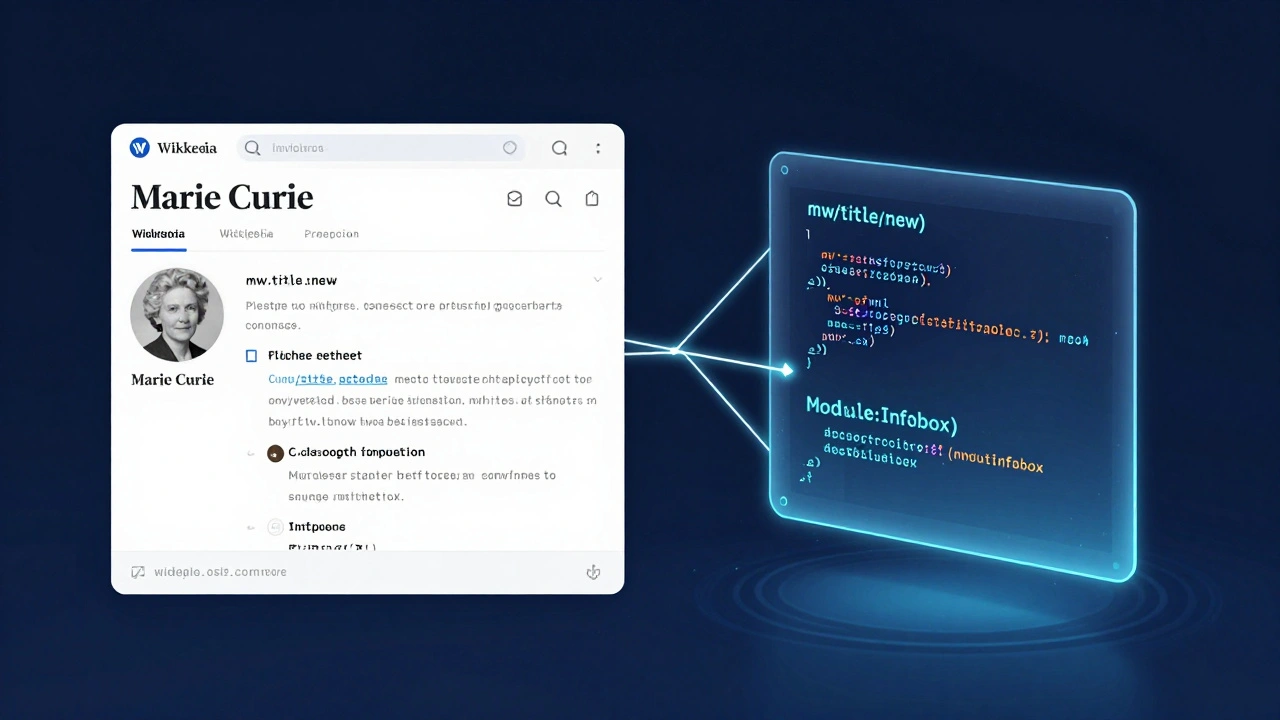
Lua Modules on Wikipedia: How They Power Templates and Data
Lua modules power Wikipedia's templates and data displays, replacing messy wiki markup with clean, reusable code. They handle citations, infoboxes, and dynamic content behind the scenes-faster, safer, and more reliably than ever before.
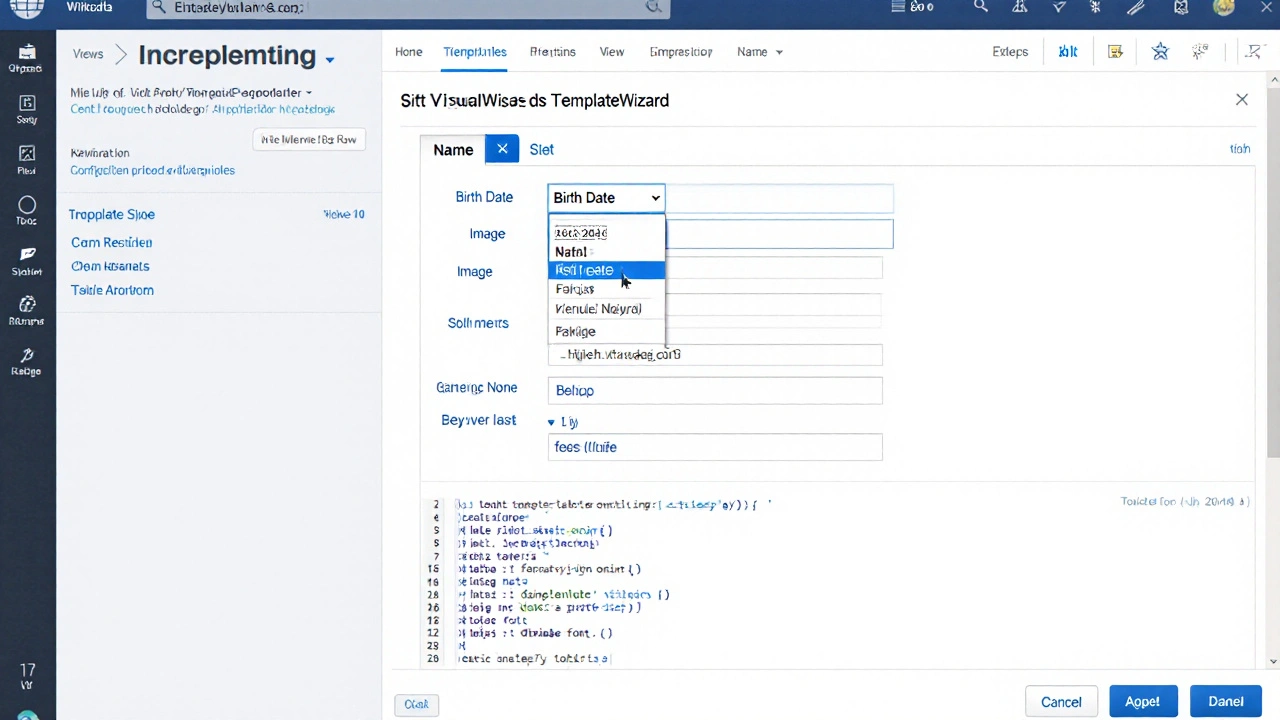
TemplateWizard on Wikipedia: Build Templates Without Errors
TemplateWizard on Wikipedia helps editors build templates without syntax errors by offering a simple form interface instead of raw wikitext. It supports over 1,200 common templates like infoboxes and citations, and reduces editing mistakes by 80%. Ideal for beginners and occasional contributors.