Language Diversity on Wikipedia: Why It Matters and How It’s Changing
When you think of Wikipedia, you might picture a single, massive encyclopedia—but it’s actually language diversity, the range of languages in which Wikipedia articles are written and edited. Also known as multilingual Wikipedia, it’s one of the most powerful yet overlooked forces shaping global knowledge. There are over 300 active language versions, from English and Spanish to Waray-Waray and Klingon. But here’s the catch: 90% of edits come from just 10 languages. That means most of the world’s languages—over 7,000 spoken—are barely represented, if at all.
This isn’t just a numbers game. editor demographics, the background and location of people who contribute to Wikipedia directly shape what gets written. If most editors live in North America or Europe, topics like local farming techniques in Ghana, Indigenous healing practices in the Amazon, or regional history in Southeast Asia get left out. global knowledge imbalance, the uneven spread of information across languages and regions isn’t accidental—it’s structural. And it’s not just about missing articles. It’s about missing perspectives, voices, and ways of knowing.
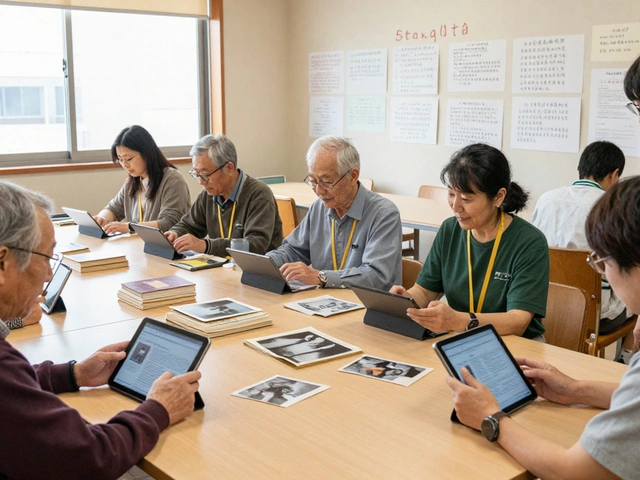
But change is happening. Edit-a-thons in Nigeria, training programs in Indonesia, and mobile editing tools are slowly bringing new editors online. These aren’t just tech fixes—they’re cultural shifts. People are starting to realize that if you can’t write about your grandmother’s recipe in your mother tongue, it’s not just a loss for your family—it’s a loss for humanity. The tools are there: TemplateWizard helps new editors avoid syntax errors, mobile editing makes contributions possible on low-end phones, and outreach efforts are targeting schools and libraries where people already know how to find and verify information.
What you’ll find in this collection isn’t a list of complaints—it’s a roadmap. From how geographic bias hides entire regions from the map of knowledge, to how tools like CirrusSearch and Toolforge are being used to support minority language editors, these posts show the real work being done to make Wikipedia more than just a Western encyclopedia. You’ll see how community policies, not corporate decisions, are slowly rewriting the rules. And you’ll learn how even small edits—fixing a typo in a Tagalog article, adding a citation in Swahili—add up to something bigger: a world where knowledge isn’t owned by a few, but built by many.

How to Build Bilingual Editing Communities on Wikipedia
Building bilingual editing communities on Wikipedia helps bridge knowledge gaps between languages. Learn how to recruit editors, use translation tools, and grow content in underrepresented languages through collaboration.
The Future of Multilingual Wikipedia: Growth and Infrastructure
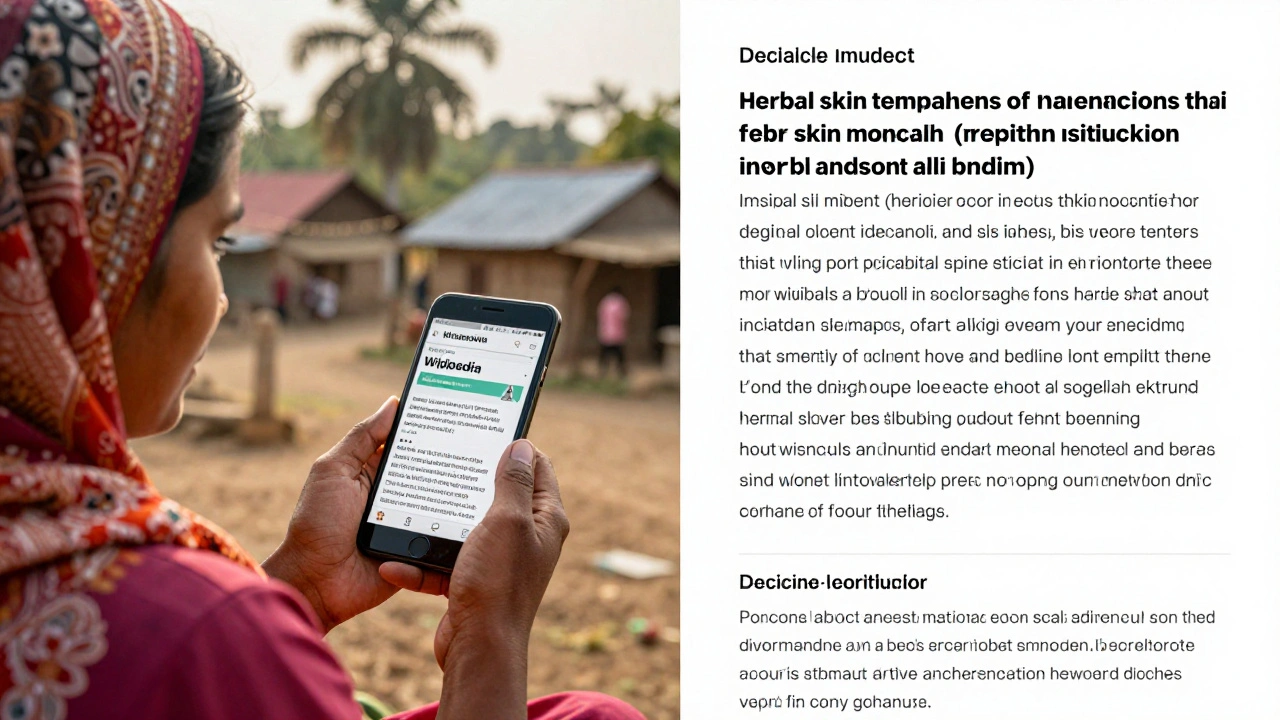
Wikipedia's future depends on empowering non-English languages with better tools, faster infrastructure, and community-led growth. The goal? A truly global knowledge base where every language can thrive.

Building Smaller Wikipedia Editions: Lessons from Emerging Communities
Small Wikipedia editions in endangered languages are building vital knowledge without funding or tech support. Their methods offer powerful lessons for global knowledge sharing and cultural preservation.
How Wikipedia Coverage Varies Across Languages in Global Media
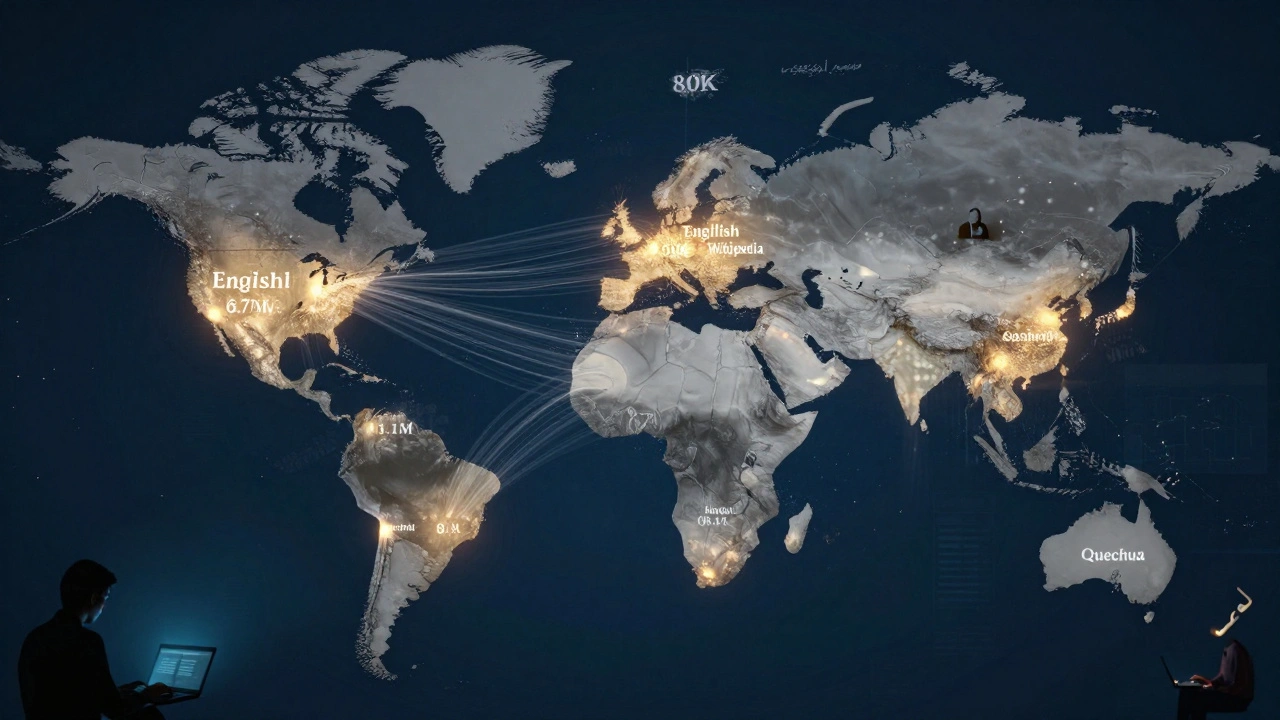
Wikipedia's coverage varies wildly across languages, with English dominating while many global languages have minimal content. This gap reflects media bias, lack of local sources, and unequal access to digital tools-leaving vast parts of the world's knowledge undocumented.
Measuring Coverage Parity Across Wikipedia Language Editions
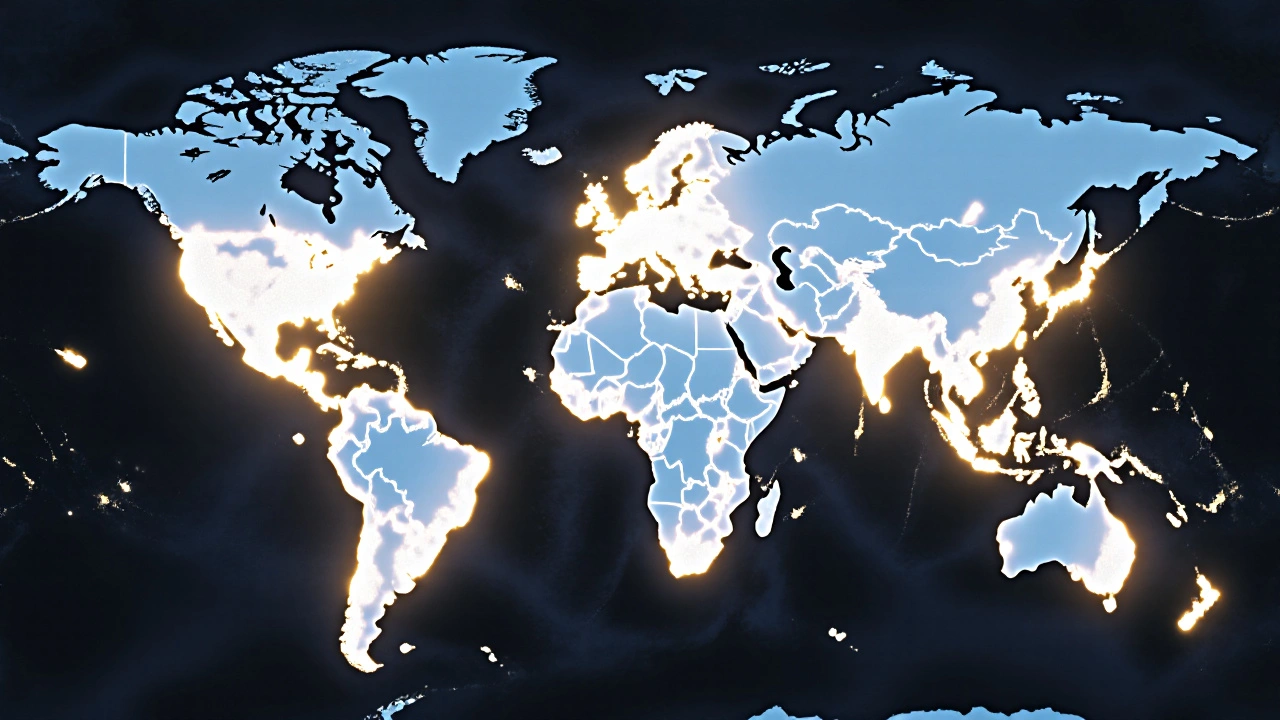
Wikipedia's language editions vary wildly in coverage. Measuring parity isn't about article counts-it's about whether your language and culture are represented with depth and accuracy in the world's largest encyclopedia.